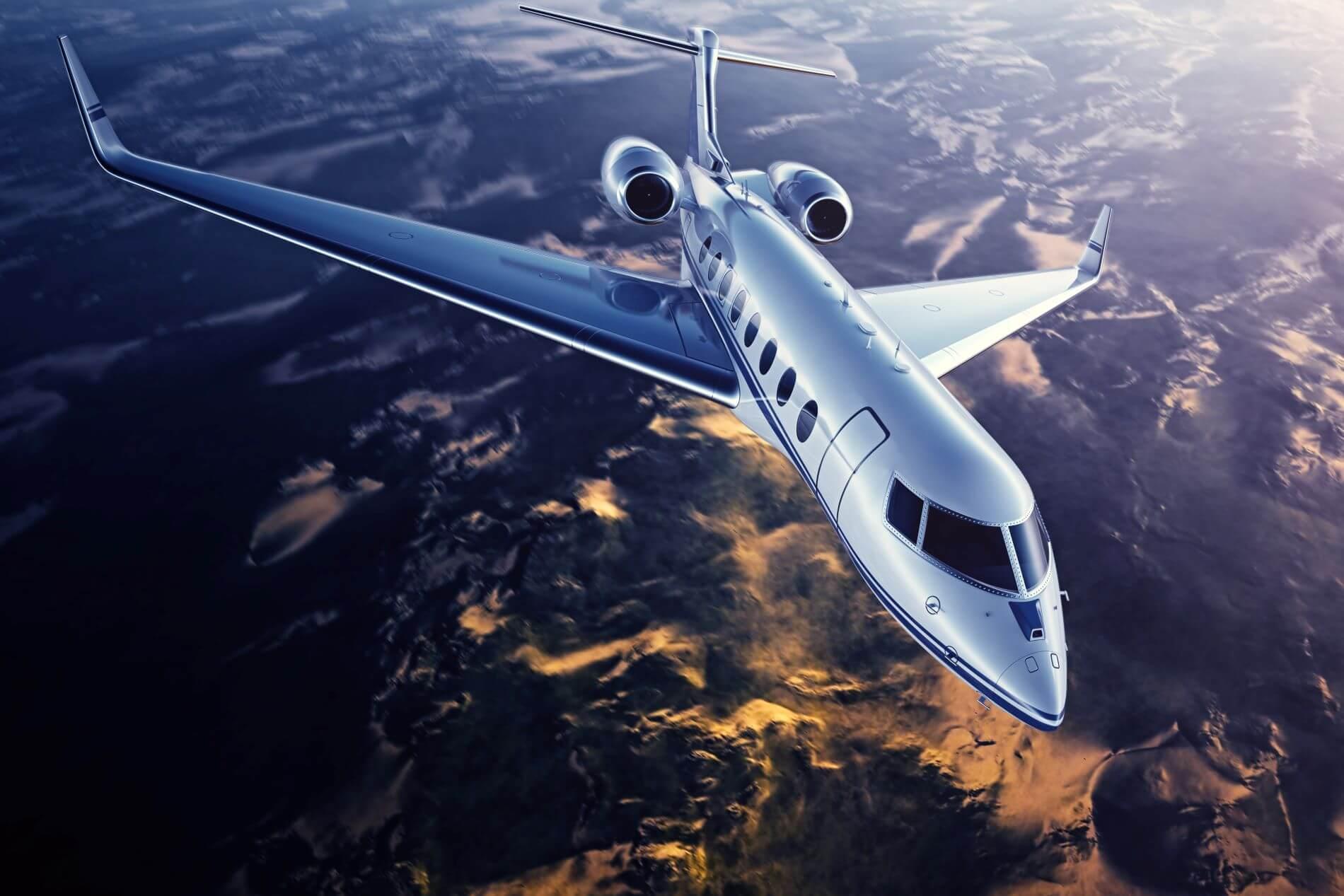
The allure of private jet ownership is tempting for many, offering a very uniqueed convenience, luxury, and flexibility. However, before diving into the world of private aviation, it’s crucial to assess whether owning a jet is truly the right decision for you. The process involves much more than purchasing the aircraft, it’s about understanding the long-term financial commitments, operational responsibilities, and lifestyle adjustments that come with owning a private jet.
In this article, we will explore the essential factors to consider before taking the plunge into jet ownership. By the end, you’ll have a clearer understanding of what it takes to own a jet and whether it fits your needs and resources.
1. Determining Your Travel Needs
The first step in deciding whether to purchase a private jet is understanding your travel patterns. If you’re considering jet ownership, you likely have specific travel needs that can’t be met by commercial airlines. However, it’s important to evaluate how often and for what purposes you will use the jet.
Frequency of Travel
Owning a private jet is a significant investment, and the more frequently you fly, the more cost-effective it becomes. If you travel regularly for business or leisure, a private jet can offer immense value. For example, if you often have to travel between different cities for meetings or need to visit remote destinations that aren’t easily accessible by commercial flights, owning a jet can save you considerable time and provide flexibility.
However, if your trips are infrequent and primarily take place during holidays or occasional business meetings, chartering a jet may be a more practical option. Owning a jet for just a few trips a year may not justify the high costs associated with it.
Types of Travel
In addition to frequency, consider the nature of your travel. Are you traveling with a large group, transporting cargo, or seeking luxury and comfort? Different types of jets are suited to various needs. A smaller, light jet may suffice for short trips with a few passengers, while a larger aircraft is better suited for long-haul flights or when traveling with more people.
If your travel involves a high number of international flights or requires significant cargo capacity, these factors may influence your choice of jet. Larger, long-range jets may be necessary to meet your needs, but they also come with higher operational and maintenance costs.
2. Assessing the Financial Commitment
Private jet ownership is a substantial financial commitment. In addition to the initial purchase price of the aircraft, you’ll need to account for ongoing costs such as maintenance, insurance, fuel, and crew salaries. These can add up quickly, so it’s crucial to understand the full financial picture before making the decision.
Initial Purchase Price
The cost of purchasing a private jet can vary widely based on the type and age of the aircraft. A new light jet may cost anywhere from $3 million to $8 million, while larger jets with more advanced technology and longer ranges can easily exceed $70 million. The price will also depend on the brand, model, and customization options you choose.
Before committing to an aircraft, it’s essential to consult with an aviation expert or financial advisor to ensure that the jet aligns with your budget and long-term financial plans.
Ongoing Operational Costs
The operational costs of owning a private jet go well beyond the purchase price. Annual maintenance, which includes inspections, repairs, and parts replacement, is a significant ongoing expense. This can range from $200,000 to $500,000 per year, depending on the size and type of jet.
Insurance is another major cost. Aviation insurance typically costs between $50,000 and $200,000 annually, depending on the aircraft’s value and the coverage you choose. These costs can fluctuate based on the aircraft’s age, condition, and usage.
Fuel is another large operational expense. The price of jet fuel can vary depending on location and market conditions, but it generally ranges from $4 to $7 per gallon. A typical flight can consume anywhere from 300 to 500 gallons of fuel, depending on the jet’s size and the distance traveled. If you fly frequently, fuel costs can add up significantly.
Crew salaries are another ongoing expense. Depending on the size and type of aircraft, you may need to hire pilots, flight attendants, and ground staff. The cost of a pilot’s salary can range from $75,000 to $150,000 per year, while flight attendants typically earn between $40,000 and $70,000 annually.
Resale Value
Jets, like cars, depreciate in value over time. Most private jets lose around 5% to 10% of their value annually, although this can vary based on the make, model, and condition of the aircraft. If you plan to sell the jet in the future, you must consider the potential depreciation.
Resale value can also be influenced by market trends, the jet’s age, and its maintenance history. Some brands and models retain their value better than others, so it’s essential to research market trends and consult with aviation experts when purchasing.
3. Maintenance and Logistics
Maintaining a private jet is no small task. Regular maintenance is necessary to keep the aircraft in good working order, and you’ll need to ensure the logistics of aircraft management are handled efficiently.
Routine Maintenance
Private jets require regular inspections and maintenance to stay airworthy. The Federal Aviation Administration (FAA) sets strict guidelines for the maintenance of private aircraft, and owners must comply with these regulations to ensure their jets are safe to fly.
Routine maintenance involves checking systems such as avionics, engines, landing gear, and interior components. As the aircraft ages, maintenance needs can become more frequent and costly. It’s important to allocate a portion of your budget for these maintenance tasks.
Unforeseen Repairs
In addition to routine maintenance, unforeseen repairs can occur unexpectedly. These repairs can be costly, especially if they involve major components of the aircraft. Owners should have a contingency fund set aside for such occurrences to avoid financial strain.
Crew and Staffing
In addition to maintenance, you’ll need to consider the logistics of hiring and managing a crew. This includes pilots, flight attendants, and other support staff who will be responsible for the operation and upkeep of the aircraft. Hiring experienced and qualified personnel is critical for ensuring the safety and efficiency of your jet.
If you don’t have the time or expertise to manage the logistics of staffing, you may want to consider hiring an aviation management company to handle the day-to-day operations of your jet.
4. Legal and Regulatory Considerations
Jet ownership is subject to various legal and regulatory requirements. These can vary depending on the country you are based in and the regions where you plan to fly. It’s essential to be aware of these regulations to ensure you stay in compliance with aviation laws.
Registration and Licensing
When you purchase a private jet, you must register the aircraft with the relevant aviation authorities. In the United States, for example, this would be the Federal Aviation Administration (FAA). The aircraft must meet certain standards and undergo inspections to ensure it is fit for flight.
You also need to ensure that the pilots you hire are properly licensed and trained. The FAA requires pilots to hold specific certifications and meet certain qualifications depending on the type of aircraft they operate.
International Regulations
If you plan to fly internationally, be aware that different countries have different regulations regarding private aviation. Some countries have specific restrictions or requirements for private jet owners, such as landing permits, customs procedures, and taxes.
Understanding these international regulations is critical for ensuring smooth travel across borders. You may need to hire aviation consultants or legal experts to navigate the complexities of international aviation laws.
5. Environmental and Ethical Considerations
In recent years, environmental concerns have become more prominent in the aviation industry. The carbon footprint of private jets is considerably higher than that of commercial flights, and many owners are now looking for ways to reduce their environmental impact.
Sustainable Aviation Fuel (SAF)
One of the most promising developments in the aviation industry is the use of sustainable aviation fuel (SAF). SAF is made from renewable resources, such as algae or waste oils, and has a significantly lower carbon footprint than traditional jet fuel. While SAF is still relatively expensive and not available everywhere, it represents a step toward more environmentally responsible jet ownership.
Offsetting Carbon Emissions
Another way private jet owners can mitigate their environmental impact is by purchasing carbon offsets. These offsets fund projects that reduce or capture carbon emissions, such as reforestation initiatives or renewable energy projects. While purchasing offsets doesn’t eliminate the environmental impact of flying, it can help offset some of the carbon emissions associated with private jet travel.
6. Lifestyle Impact
Finally, it’s important to consider the lifestyle impact of private jet ownership. Owning a jet is not just a financial commitment, it’s a lifestyle change. You’ll need to balance the demands of jet ownership with your professional and personal life.
Time Commitment
Jet ownership requires a significant time commitment. From managing maintenance schedules to coordinating travel logistics and staffing, there’s much more to owning a jet than simply flying. If you’re not willing to dedicate the necessary time to manage your jet, you may want to explore other options, such as chartering or fractional ownership.
Prestige and Flexibility
On the other hand, private jet ownership offers a very uniqueed prestige, flexibility, and convenience. It can elevate your business and personal brand, offering status and luxury that is hard to match. For some, the ability to travel on their own terms, without the restrictions and hassles of commercial air travel, is well worth the investment.
Conclusion: Is Jet Ownership Right for You?
Deciding whether to purchase a private jet is a complex decision that requires careful consideration of your travel needs, financial situation, and lifestyle. While owning a jet offers significant benefits in terms of convenience, flexibility, and luxury, it also comes with substantial costs, responsibilities, and logistical challenges.
Before taking the plunge into jet ownership, evaluate how often you’ll use the jet, the financial commitments involved, and the operational and maintenance responsibilities. If you’re willing to make the investment and manage the logistics, private jet ownership can provide a unique and rewarding experience. However, if your travel needs are more occasional or you want to avoid the operational complexities, chartering a jet may be a more practical option.
By thoroughly understanding the costs and commitments involved, you can make an informed decision and determine whether jet ownership is the right choice for you.