Private Jet PrivateJetia 070
Private jet ownership is often seen as a mark of luxury, offering a very uniqueed freedom and convenience. For many, it represents the maximum experience of personal and business travel. However, owning a private jet is not simply a matter of purchasing an aircraft and flying at will. There are numerous legal, financial, and operational considerations that come with private jet ownership and the necessary licensing to operate these high-value vehicles.
Whether you are considering purchasing a private jet for the first time, or you are seeking to expand your fleet, it’s crucial to understand the full scope of what’s involved. This includes understanding the legal requirements for private jet ownership, the costs associated with ownership, the types of licenses required, and the ongoing responsibilities involved in maintaining and operating a private jet.
1. The Basics of Private Jet Ownership
Before delving into licensing and operational requirements, it’s important to understand the fundamental concept of private jet ownership. Owning a private jet means that you have full control over an aircraft, allowing you to use it for personal, business, or commercial purposes. Private jets come in various sizes, from small, light jets to larger, long-range aircraft capable of intercontinental travel.
Private jet owners typically have three options when it comes to the type of ownership they choose:
- Full Ownership: The owner possesses the entire aircraft, both financially and operationally. Full ownership offers the most control but also comes with the highest costs and responsibilities.
- Fractional Ownership: This allows individuals to own a share of a private jet, typically one-eighth or one-quarter of the aircraft. The owner shares the aircraft with other co-owners, but has access to the jet when they need it, reducing the overall cost of ownership.
- Jet Card Programs and Charter Services: These programs offer flexible access to private jets without the long-term commitment of ownership. A jet card program provides a set number of flight hours, while charter services allow individuals to rent aircraft as needed.
2. Licensing Requirements for Private Jet Ownership
Owning a private jet involves more than just purchasing the aircraft. You must also comply with a range of legal and licensing requirements. These vary by country, but the principles remain largely the same across the globe.
a. Aircraft Registration
In most countries, private jets must be registered with the relevant aviation authority. In the United States, for example, the Federal Aviation Administration (FAA) is responsible for the registration of private jets. To register an aircraft, you need to provide proof of ownership, a valid airworthiness certificate, and details about the aircraft’s make and model.
For international travel, you may also need to comply with regulations established by the International Civil Aviation Organization (ICAO), which sets global standards for aviation safety, licensing, and airspace management.
b. Private Pilot Licenses
In order to legally fly a private jet, the pilot must hold a specific type of pilot’s license. The requirements for a private pilot’s license vary by country, but there are some common steps that all pilots must follow.
- Private Pilot License (PPL): This is the basic license that allows a pilot to fly private aircraft for non-commercial purposes. Obtaining a PPL requires passing a medical examination, completing a certain number of flight hours, and passing a written and practical test.
- Commercial Pilot License (CPL): For pilots who wish to be compensated for their flying services, a commercial pilot’s license is necessary. The requirements for a CPL include more flight hours, more advanced training, and additional testing.
- Airline Transport Pilot License (ATPL): This is the highest level of pilot certification and is required for pilots who wish to operate large passenger jets or aircraft for a commercial airline. While not required for most private jet owners, it can be beneficial for those who operate commercial charter services.
- Type Ratings: In addition to the general pilot licenses, pilots must also hold type ratings for the specific aircraft they intend to fly. This involves additional training customized to the unique systems and characteristics of each aircraft model.
c. Aircraft Operator Certificates (AOC)
If the private jet is being used for commercial operations, such as charter services, the operator will need to obtain an Aircraft Operator Certificate (AOC) from the relevant national aviation authority. This certificate ensures that the operator complies with safety and operational standards set by the authorities.
An AOC is typically required for private jet owners who operate their aircraft for business or charter purposes, and it involves meeting strict regulatory requirements regarding maintenance, crew qualifications, and operational standards.
3. Costs Involved in Owning a Private Jet
Owning a private jet is a significant financial commitment that goes beyond the initial purchase price. While the cost of a private jet can vary widely based on its size, model, and capabilities, there are several additional financial considerations that must be taken into account.
a. Initial Purchase Costs
The cost of purchasing a private jet ranges from a few million dollars for a small, light jet to over $100 million for a large, long-range aircraft. The cost depends on the age of the aircraft, its make and model, and its range and amenities.
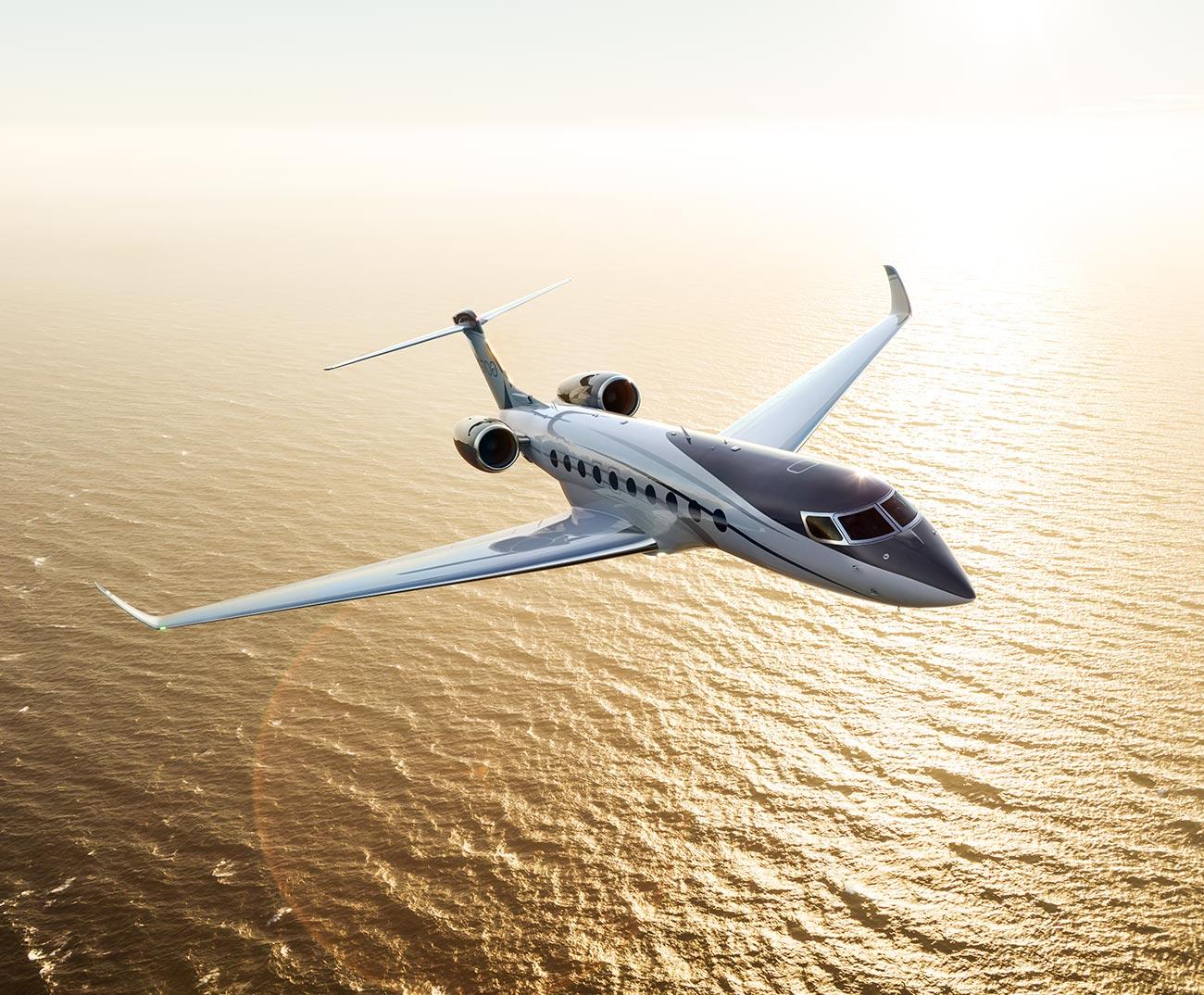
For example, a new Gulfstream G700, one of the most luxurious private jets on the market, can cost up to $75 million, while a smaller jet like the Cessna Citation XLS+ might be priced around $13 million.
b. Insurance Costs
Private jet insurance is essential for protecting your investment. The cost of insurance varies based on the value of the jet, the type of coverage you select, and the experience of the pilot. On average, private jet insurance can range from $20,000 to $100,000 or more per year.
This insurance typically includes both hull insurance (to cover damage to the aircraft) and liability insurance (to cover damage caused to third parties or passengers).
c. Maintenance and Operating Costs
Owning a private jet involves ongoing operational and maintenance costs. These include:
- Fuel Costs: Jet fuel is one of the most significant operating expenses. The cost per gallon varies depending on the aircraft’s size and the distance flown. On average, private jets consume anywhere from 100 to 500 gallons of fuel per hour of flight time.
- Crew Salaries: If you employ a pilot and crew for your private jet, their salaries are an ongoing expense. The salary for a private jet pilot can range from $50,000 to $200,000 per year, depending on their experience and the aircraft’s size.
- Maintenance: Routine maintenance is required to ensure the safety and airworthiness of the aircraft. Maintenance costs can vary based on the aircraft’s age, model, and usage but can easily exceed $200,000 per year for larger jets.
- Hangar Fees: Storing a private jet at an airport or hangar also comes with costs. Hangar fees can range from $1,000 to $5,000 per month, depending on the location and size of the aircraft.
d. Depreciation
Like any vehicle, private jets depreciate over time. The rate of depreciation depends on factors such as the aircraft’s age, condition, and market demand. However, it’s important to note that private jets generally hold their value better than most other types of luxury vehicles, especially high-end, well-maintained jets.
4. Legal Responsibilities and Regulatory Compliance
Owning a private jet comes with several legal responsibilities. These include ensuring that the aircraft is maintained in compliance with local and international aviation regulations, operating it within legal flight boundaries, and ensuring that all crew members are properly licensed.
Additionally, private jet owners must adhere to the applicable aviation laws that govern air traffic control, customs, and international flight regulations. Flying internationally requires compliance with the aviation laws of the countries being visited, which may involve additional permits, customs declarations, and insurance requirements.
5. Benefits of Private Jet Ownership
Despite the significant costs and responsibilities involved, there are numerous benefits to owning a private jet. These include:
a. Unmatched Convenience
Private jet ownership offers a very uniqueed convenience, allowing you to travel on your own schedule, avoid long lines at commercial airports, and access smaller, more convenient airports.
b. Luxury and Comfort
Private jets are equipped with high-end amenities, such as comfortable seating, gourmet kitchens, and full-size bathrooms, allowing you to travel in the utmost luxury and comfort.
c. Enhanced Privacy and Security
Flying in a private jet ensures that you have complete privacy during your flight. You can avoid the crowded terminals and security checkpoints at commercial airports, reducing the potential for delays and exposure to security threats.
d. Time Savings
With the ability to fly directly to your destination and avoid layovers and long waits, private jet ownership can save you valuable time, particularly for business travelers.
6. Conclusion
Private jet ownership is a major commitment, and it involves many legal, financial, and operational considerations. From licensing requirements and insurance costs to maintenance and regulatory compliance, it’s important to be aware of all the factors involved in owning a private jet. However, for those who can afford the investment, owning a private jet offers unmatched convenience, luxury, and flexibility in both personal and business travel. By understanding the full scope of what’s involved in private jet ownership, you can make an informed decision and enjoy the many benefits of flying privately.