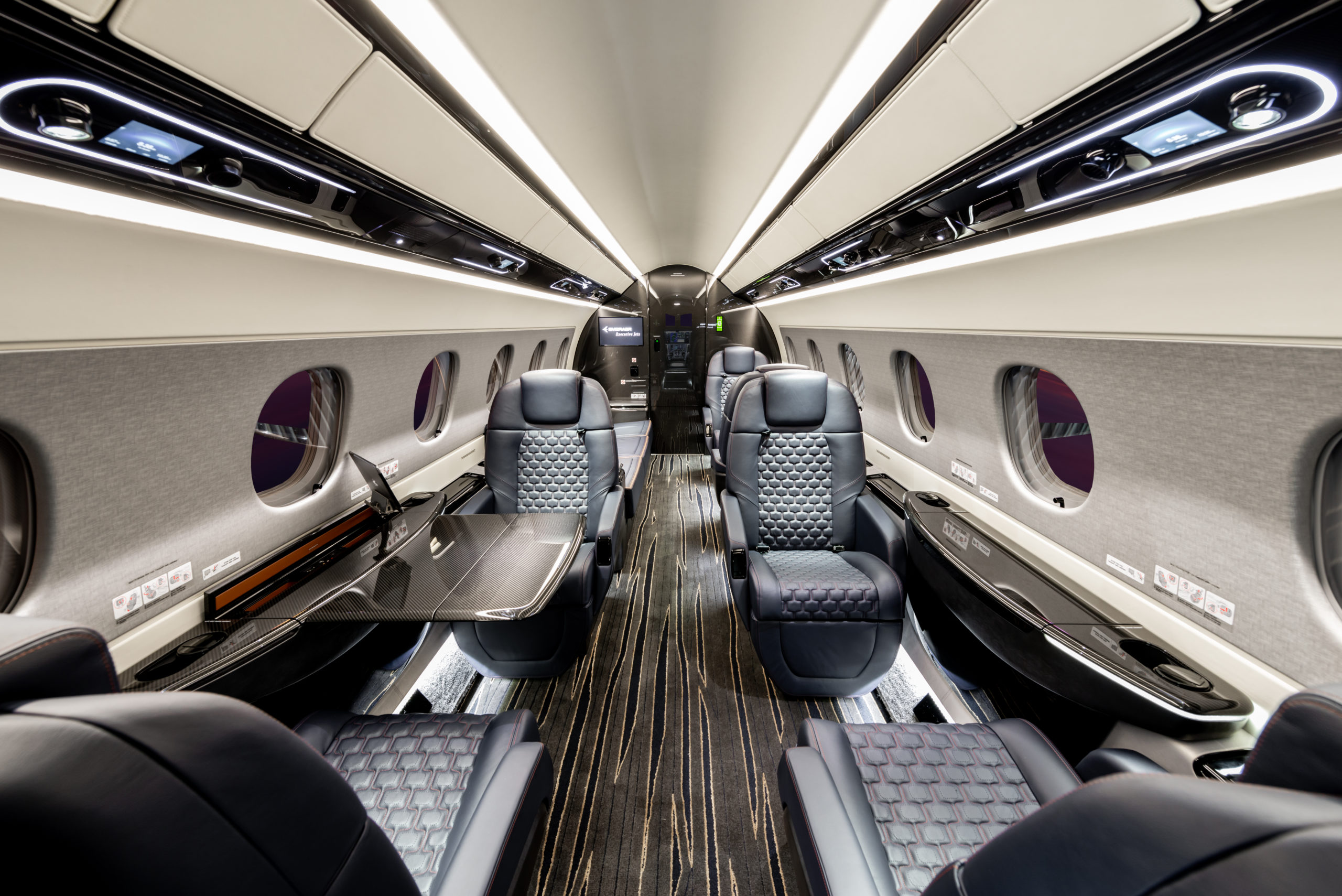
When it comes to private aviation, choosing the right type of jet is crucial to ensuring that your travel experience meets your expectations in terms of comfort, efficiency, and cost-effectiveness. Whether you are flying for business, leisure, or both, understanding the different types of private jets available on the market will help you make an informed decision that aligns with your specific travel needs. From short regional flights to long-haul international journeys, the variety of private jet models, including light jets, midsize jets, and heavy jets, offers options customized to different passenger capacities, flight distances, and luxury preferences. In this article, we will explore the features, benefits, and ideal use cases for each type of private jet, so you can determine which jet best suits your unique travel requirements.
The Importance of Choosing the Right Private Jet
The decision of which private jet to fly on goes beyond just the luxury experience. It involves several important factors such as the distance you intend to travel, the number of passengers, your budget, and the level of comfort and amenities you desire. A private jet should meet not only the technical demands of your flight but also provide a safe, comfortable, and efficient environment. As private aviation continues to evolve, the market offers a wide range of jet options, each catering to different needs. From light jets that are perfect for quick regional flights to heavy jets that provide the ultimate in long-haul luxury, there is a jet type for every travel scenario.
To make an informed choice, you need to understand the three main categories of private jets: light jets, midsize jets, and heavy jets. Let’s break down each type and explore how their features align with different travel needs.
Light Jets: Ideal for Short, Efficient Flights
Light jets are the smallest and most cost-effective category of private jets. Designed for shorter trips, light jets offer an excellent balance of performance, comfort, and affordability. They are typically ideal for business professionals, solo travelers, or small groups who need to cover short to medium distances without the expense of larger jets. Light jets usually seat between 4 and 8 passengers and have a range of around 1,000 to 2,000 miles. Their compact size allows them to land at smaller airports, which can be particularly advantageous for travelers looking to avoid the congestion and delays associated with larger commercial airports.
Key Features of Light Jets:
- Passenger Capacity: Typically accommodates 4 to 8 passengers.
- Range: Can travel up to 1,500 to 2,000 miles, ideal for regional flights.
- Speed: Average cruising speed of 400 to 500 mph.
- Cabin: Light jets offer a more compact cabin with comfortable seating, limited standing room, and basic amenities, though some models may include a small galley and an enclosed restroom.
- Cost: Light jets are generally the most affordable option in terms of both operational costs and charter rates.
Best For:
- Short regional trips, such as flying between neighboring cities or to nearby states.
- Small business teams, executives, or solo travelers who need to travel quickly and efficiently.
- Budget-conscious travelers who want the convenience of private aviation without the high costs of larger jets.
While light jets are the best option for short-range travel and smaller groups, their limited capacity and space make them less suitable for longer journeys or larger groups. However, if your primary need is a quick, efficient, and affordable private flight, a light jet is an excellent choice.
Midsize Jets: A Balance of Comfort, Range, and Value
Midsize jets offer a great middle ground between the compact efficiency of light jets and the spacious luxury of heavy jets. With a range of approximately 2,000 to 3,500 miles, midsize jets are ideal for medium-haul flights, making them perfect for coast-to-coast travel, regional international trips, or business flights that require more comfort and space than light jets can provide. Midsize jets typically seat 6 to 9 passengers and offer a more comfortable cabin with better amenities, including a full galley and sometimes an enclosed restroom.
Popular midsize jet models include the Cessna Citation XLS, Hawker 800XP, and Bombardier Learjet 60XR. These jets are well-suited for business owners, corporate executives, or families who require additional space, luxury, and efficiency while flying medium distances.
Key Features of Midsize Jets:
- Passenger Capacity: Can accommodate 6 to 9 passengers.
- Range: Midsize jets can cover 2,000 to 3,500 miles, allowing for medium-range flights like cross-country travel or regional international routes.
- Speed: Cruising speed of around 450 to 550 mph.
- Cabin: The cabin is more spacious than light jets, with room for comfortable seating arrangements, larger windows, and more advanced cabin features. Passengers can also enjoy a small galley and an enclosed restroom.
- Cost: Midsize jets are more expensive than light jets but still more affordable than heavy jets. Their operational costs are higher, but they offer a good balance between value and luxury.
Best For:
- Coast-to-coast or cross-country flights, as well as regional international flights.
- Business professionals or small groups needing both efficiency and comfort.
- Families or leisure travelers who desire more space and privacy during their journey.
Midsize jets strike a perfect balance between performance, luxury, and cost. They provide ample space for passengers to relax or work during the flight while offering a comfortable experience without the higher costs associated with larger heavy jets.
Heavy Jets: Luxury and Performance for Long-Haul Travel
Heavy jets, also known as large jets, are designed for long-haul international flights and are the most luxurious and spacious private jets available. These jets offer the highest level of comfort, amenities, and performance, making them the ideal choice for long-distance travel or for those who need to travel with a large group of people. Heavy jets can accommodate anywhere from 10 to 18 passengers and have a range of 4,000 to 7,500 miles, enabling them to fly nonstop on intercontinental journeys. The cabin experience on a heavy jet is truly a very uniqueed, with luxury features like fully enclosed bedrooms, multiple seating areas, state-of-the-art entertainment systems, and fully equipped galleys.
Popular heavy jet models include the Gulfstream G650ER, Bombardier Global 6000, and Dassault Falcon 900. These jets are commonly used by corporate executives, VIPs, and high-net-worth individuals who prioritize comfort, privacy, and luxury when flying long distances.
Key Features of Heavy Jets:
- Passenger Capacity: Typically accommodates 10 to 18 passengers.
- Range: Heavy jets can travel 4,000 to 7,500 miles, allowing them to fly on long-haul international routes with ease.
- Speed: Cruising speed of around 500 to 600 mph.
- Cabin: The cabin is exceptionally spacious and offers the ultimate in luxury. These jets are equipped with multiple seating zones, private bedrooms, full-size bathrooms, advanced entertainment systems, and gourmet galleys.
- Cost: Heavy jets are the most expensive category of private jets, both in terms of acquisition and operational costs. They are the go-to option for those who require the utmost in comfort and performance.
Best For:
- Long-haul international flights, such as transatlantic or transpacific travel.
- Corporate leaders, VIPs, or high-net-worth individuals who require the highest level of comfort, privacy, and luxury.
- Large groups, families, or corporate teams that need ample space and a variety of amenities during long flights.
Heavy jets are the best choice for those seeking an extraordinary level of comfort, luxury, and performance on long-distance flights. While they come with a hefty price tag, the luxury experience and extensive range of features make them the ideal option for intercontinental travel or when you simply need the very best in private aviation.
How to Choose the Best Private Jet for Your Travel Needs
When determining which private jet is best for your travel needs, consider the following factors:
- Flight Distance
- If you are planning a short regional flight, a light jet is ideal, offering efficiency and affordability for short distances.
- For medium-range flights like cross-country travel, a midsize jet offers a balance of comfort and performance.
- For long-haul international flights, a heavy jet provides the range and luxury needed for extended travel.
- Passenger Capacity
- A light jet is suitable for small groups or solo travelers, accommodating 4 to 8 passengers.
- A midsize jet is perfect for small business teams or families, offering space for 6 to 9 passengers.
- A heavy jet can comfortably carry larger groups, typically 10 to 18 passengers.
- Comfort and Amenities
- If you are looking for basic comfort and efficiency, a light jet may suffice, but if you prefer more luxurious amenities, consider a midsize or heavy jet, which offer better cabin space, larger windows, and additional features like full galleys and private restrooms.
- Budget
- Light jets are the most cost-effective option, making them ideal for budget-conscious travelers.
- Midsize jets offer a good balance between cost and luxury.
- Heavy jets are the most expensive, both to purchase and operate