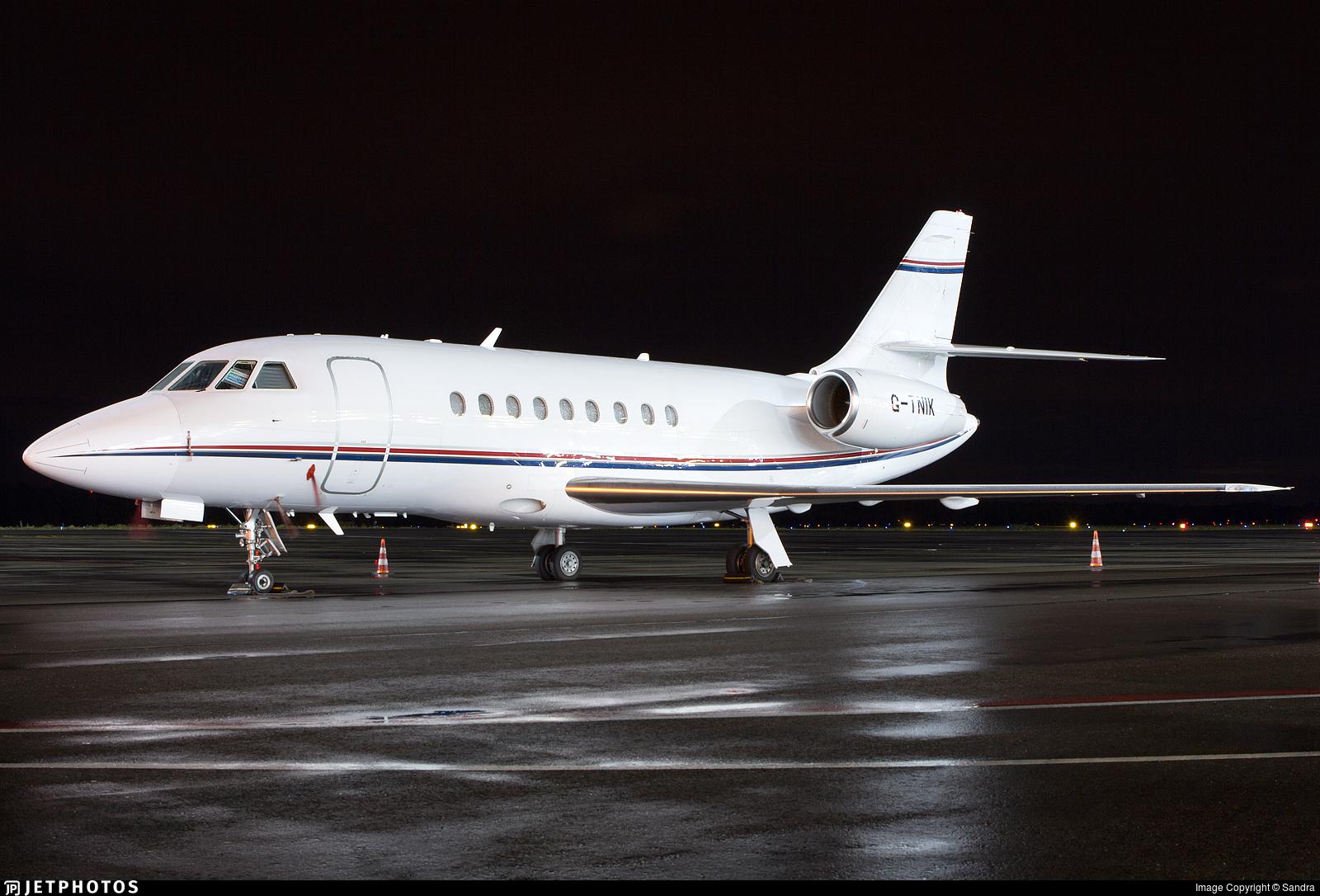
Private jet travel offers unrivaled convenience, luxury, and privacy, making it the preferred choice for high-profile individuals, business leaders, and those seeking an exclusive flying experience. However, with the enhanced freedom that private aviation provides, there is an equally high level of responsibility when it comes to ensuring the safety and security of passengers, crew, and the aircraft itself. Private jet security protocols are designed to address potential threats and provide peace of mind for those who rely on private aviation for both business and leisure.
In this article, we will explore the various security protocols that are essential for private jet owners, operators, and passengers. From access control to in-flight safety measures and emergency response strategies, understanding the security landscape of private aviation is crucial for anyone considering private jet travel or ownership. Let’s dive into the key aspects of private jet security that ensure every journey is as safe as it is luxurious.
1. Access Control: Ensuring Only Authorized Individuals Board
One of the most vital elements of private jet security is access control. Unlike commercial flights, where passengers go through strict security screenings, private jet passengers generally have the freedom to bypass many of the traditional security protocols. However, this increased flexibility doesn’t mean that security is any less stringent. On the contrary, private jet security is highly customized to the needs of the passengers, with every effort made to ensure that only authorized individuals are allowed to board the aircraft.
Access control starts even before passengers reach the aircraft. Private terminals, also known as Fixed Base Operators (FBOs), are designed to provide a secure, private environment for passengers. These terminals are usually separate from the main airport terminals and provide a degree of isolation from the public, significantly reducing the risk of unwanted attention or intrusion.
At the FBO, passengers are typically required to undergo identity verification processes before they are allowed to board. This may include simple check-ins with passport details or more advanced measures such as biometric screening, which uses fingerprint scanning, facial recognition, or iris scans. These sophisticated identification methods ensure that only the correct individuals are granted access to the aircraft, adding an extra layer of security.
In addition, RFID (Radio Frequency Identification) tags and key cards may be used to restrict access to certain areas of the aircraft or terminal. This helps maintain control over who enters the aircraft and the surrounding facilities. For high-profile passengers or those with specific security concerns, private jet owners may even request armed security escorts for additional protection during the boarding process.
2. Surveillance and Monitoring: Keeping Track of Aircraft at All Times
Once aboard the aircraft, ensuring the safety and security of passengers doesn’t stop. Modern private jets are equipped with a range of surveillance and tracking systems that provide real-time data on the aircraft’s location, altitude, and flight path. These systems are essential for maintaining situational awareness and ensuring the security of the aircraft during its journey.
One of the most important technologies used for tracking is Automatic Dependent Surveillance-Broadcast (ADS-B), which allows the aircraft to broadcast its location to air traffic control systems and other aircraft in the vicinity. This real-time tracking system provides critical information that helps ensure the aircraft is operating within safe parameters and allows for immediate response if any irregularities are detected.
In addition to ADS-B, private jets are often equipped with satellite-based tracking systems. These systems offer global coverage, allowing the aircraft to be monitored even when flying over remote or oceanic areas where traditional radar coverage is limited. Satellite tracking provides continuous data on the aircraft’s position, ensuring that ground control and operators can monitor the flight at all times, even when it’s far from land.
In-flight cameras and CCTV surveillance are also becoming more common on private jets. These cameras can be placed in key areas of the aircraft, including the cabin, cockpit, and exterior of the plane, and they help provide visual monitoring of activity both inside and outside the aircraft. This is particularly useful for identifying any unusual behavior or potential security threats during the flight.
3. Secure Communication Systems: Protecting Sensitive Information
In an age where cyber threats are on the rise, securing communications during private jet flights is a top priority. Private jets are equipped with secure communication systems to ensure that all communications between the aircraft and ground control, as well as any communication with passengers, remain private and protected from interception.
Private jets are often fitted with satellite communication systems that enable high-speed internet, phone calls, and data transmission. These systems are isolated from public or commercial networks, reducing the risk of hacking and interception. Moreover, these communication systems are encrypted, ensuring that sensitive information, such as flight plans, passenger lists, and business discussions, cannot be accessed by unauthorized parties.
To add an extra layer of protection, private jet operators may also provide secure private networks for onboard devices, ensuring that any laptops, tablets, or phones used by passengers are protected from cyber threats. This is particularly important for business travelers who may need to conduct meetings or exchange confidential information while flying.
In addition to cybersecurity measures, private jets often have air-to-ground communication systems that allow for direct, encrypted communication with air traffic control, emergency responders, or company personnel on the ground. This ensures that all communication is secure, reducing the risk of eavesdropping or data breaches.
4. In-Flight Security Personnel: Trained Experts on Board
For high-profile individuals, the presence of security personnel on board the aircraft is often a necessity. Whether it’s to protect against potential hijacking, mitigate risks in high-conflict regions, or simply provide peace of mind, the presence of trained security experts can make all the difference.
Private jets can be equipped with armed security officers or executive protection agents, who are often former military personnel, law enforcement officers, or private security experts with experience in aviation security. These professionals are trained to recognize and respond to potential threats, ensuring that they can protect passengers in emergency situations.
The security personnel aboard a private jet are tasked with monitoring the aircraft throughout the flight. Their role includes observing the cabin for suspicious activity, performing regular checks of the aircraft, and being prepared to respond swiftly if a threat is detected. These security experts also work closely with the flight crew to ensure the safety of the passengers and the integrity of the aircraft.
In addition to providing physical protection, these security agents are often responsible for safeguarding sensitive information and ensuring that passengers’ privacy is maintained. They are highly trained in dealing with high-profile clients and are accustomed to working discreetly to avoid drawing attention.
5. Emergency Response Protocols: Preparing for the Unexpected
No matter how secure a flight is, emergencies can still occur. This is why private jets come equipped with comprehensive emergency response protocols to ensure that passengers are protected in the event of an unforeseen situation. Whether it’s a medical emergency, a security breach, or an unexpected diversion, private jet security protocols are designed to respond quickly and effectively to mitigate risk.
In the case of a medical emergency, private jets are equipped with medical kits that contain life-saving equipment such as defibrillators, oxygen tanks, and first-aid supplies. Some private jets also have onboard medical professionals who can provide immediate care to passengers if needed. This is particularly important for VIPs or celebrities who may have specific health concerns that require attention during the flight.
Should a security breach occur, private jets are equipped with emergency lockdown procedures that allow flight crews to quickly secure the aircraft and implement emergency protocols. These procedures are designed to prevent unauthorized access to critical areas of the plane and to protect the passengers and crew in the event of a hijacking or other security threats.
In the event of an emergency landing, private jets are equipped with GPS and satellite communication systems that allow the crew to communicate with ground control and emergency responders. The flight crew is trained to handle emergency situations, and passengers are briefed on procedures in case of an emergency.
6. Airport Security: Ensuring Safe Takeoff and Landing
Security doesn’t end once the aircraft is airborne. The airport environment itself is a critical part of the security protocol for private jet travel. Private jet passengers are typically processed through private terminals, where security protocols are much more stringent than traditional commercial airports.
These terminals offer greater control over who enters and exits the facility, with security personnel stationed at strategic points to monitor activity. Access to the aircraft is restricted, and only authorized individuals are allowed to enter the boarding area.
In addition to access control, private jet terminals are equipped with modern surveillance systems, including CCTV cameras and motion detectors, that monitor the premises for any suspicious activity. These systems are integrated into the overall airport security infrastructure, ensuring that any potential security threats are detected and addressed before takeoff.
7. Conclusion: Comprehensive Security for a Safe and Exclusive Experience
Private jet security protocols are among the most comprehensive in the world of aviation, designed to provide peace of mind and protection for passengers at every stage of their journey. From access control and biometric verification to in-flight security personnel and emergency response protocols, private jets offer a level of security that is customized to the needs of high-profile individuals, business leaders, and anyone seeking a safe, private, and comfortable travel experience.
Whether it’s ensuring that the aircraft remains secure during takeoff and landing, protecting sensitive communications, or offering immediate medical assistance in an emergency, private jet operators go to great lengths to ensure that passengers are safe and well cared for. For those who demand the highest level of security, private jet travel offers an unmatched experience that prioritizes safety, privacy, and discretion.