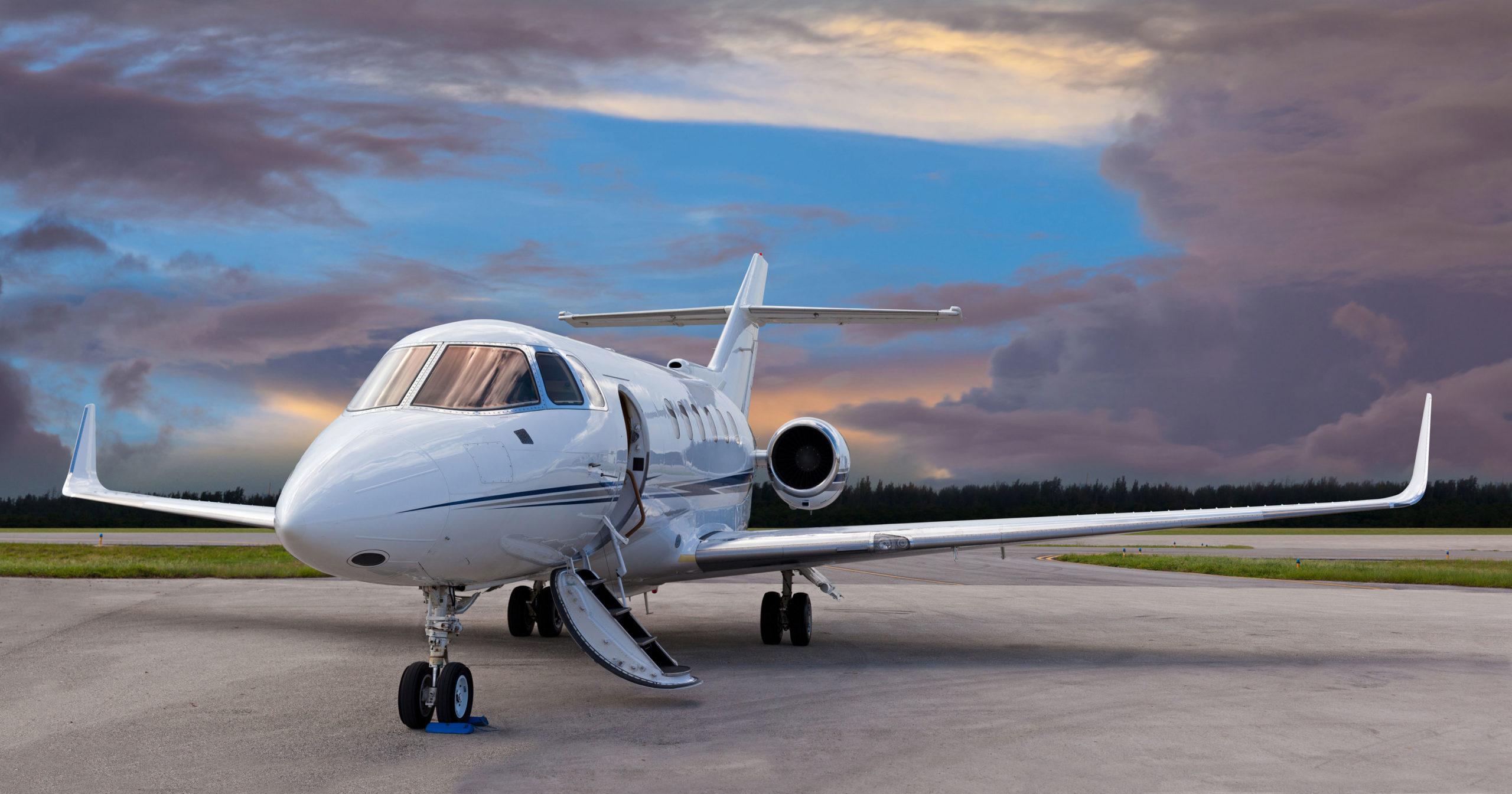
Owning a private jet is often seen as the ultimate symbol of success, luxury, and convenience. It offers a very uniqueed freedom, privacy, and the ability to travel on your own schedule. However, while the glamour of private jet ownership is undeniable, the financial reality can be far more complicated than many people realize. The purchase price of a private jet is only the beginning, and there are many hidden costs that come with owning and operating an aircraft.
From the moment you make the decision to buy a jet, you enter into a complex financial commitment that extends far beyond the initial purchase. Whether it’s maintenance, staffing, fuel, insurance, storage, or other unforeseen expenses, the hidden costs of private jet ownership can quickly add up and become a significant financial burden. This article will take a deep dive into the hidden costs of owning a private jet, shedding light on the various expenses that jet owners need to consider in order to understand the full financial scope of their investment.
The Initial Purchase Price: A Major Investment
The first and most obvious cost of owning a private jet is the purchase price. Depending on the type, size, and model, the price of a private jet can range from a few million dollars for a smaller, used jet to tens of millions for a newer, larger, or more luxurious aircraft. A small jet may cost around $3 million, while a large, state-of-the-art jet with cutting-edge amenities and extended range could easily exceed $70 million or more.
While the upfront purchase price is one of the most significant expenses, it is by no means the only cost associated with jet ownership. It’s essential to understand that buying a jet is just the beginning, and there are many hidden costs involved in keeping the jet in top working condition and operational.
Ongoing Maintenance Costs: Keeping Your Jet in Top Shape
One of the most significant hidden costs of owning a private jet is maintenance. Much like any other high-value asset, private jets require regular upkeep to ensure they are safe, reliable, and airworthy. Maintenance costs can vary depending on the size of the aircraft, its age, and how often it’s flown. Routine maintenance includes tasks such as engine checks, airframe inspections, avionics upgrades, and system testing.
On average, owners can expect to spend anywhere from $100,000 to $500,000 per year on routine maintenance for their jet. Larger jets or those with more complex systems may require even higher costs for maintenance. Some private jet owners choose to enroll in a maintenance program with a manufacturer or third-party provider, which helps manage the costs by offering predictable service schedules and pricing. However, even with such programs in place, maintenance costs can still add up significantly.
In addition to routine maintenance, private jet owners must be prepared for unexpected repairs. Whether it’s a mechanical failure, damage caused by adverse weather conditions, or a malfunctioning avionics system, the cost of emergency repairs can run into the hundreds of thousands of dollars. For instance, replacing an engine or repairing critical systems can quickly add up, and the specialized nature of jet repairs often means high costs for parts and labor.
Staffing Costs: Hiring a Professional Crew
Unlike commercial airlines, which have large teams of staff to handle operations, private jet owners are responsible for hiring their own crew. The staffing requirements for a private jet typically include pilots, flight attendants, and maintenance personnel. The salaries for these professionals can represent a substantial ongoing expense for jet owners.
Most private jets require at least two pilots, and these pilots must be highly trained and experienced in flying specific aircraft types. The cost of hiring pilots can vary based on their experience and the complexity of the aircraft they’ll be flying. On average, a private jet pilot can earn anywhere between $100,000 and $200,000 per year. For larger jets or long-haul flights, a captain and a first officer are typically required, which increases staffing costs.
In addition to pilots, many private jet owners hire flight attendants to ensure a high level of service during their flights. Flight attendants handle everything from meal preparation to passenger comfort, and their salaries can range from $50,000 to $100,000 per year, depending on the level of service required and the frequency of flights.
For those who want to ensure that their jet is always in top condition, some owners also employ in-house maintenance personnel. This adds another layer of cost, as maintenance staff salaries can range from $70,000 to $150,000 annually. Alternatively, some owners opt to outsource maintenance services to third-party providers, though these services can still be expensive.
Fuel Costs: The Price of Convenience
Fuel is one of the most significant ongoing expenses for private jet owners. Unlike commercial airlines, which benefit from bulk purchasing and lower fuel prices, private jet owners must pay retail prices for fuel, which can fluctuate based on market conditions. The size of the jet, the distance traveled, and the weight of the aircraft all play a role in determining fuel consumption.
On average, small jets consume about $1,000 to $2,000 worth of fuel per hour of flight, while larger, more powerful jets can burn through $5,000 or more per hour. A long-haul international flight can easily cost tens of thousands of dollars just in fuel. For frequent travelers, fuel costs can quickly become one of the largest ongoing expenses of private jet ownership.
One way to mitigate fuel costs is to fly the jet efficiently. Modern jets are designed to be more fuel-efficient than older models, but owners still need to plan their routes carefully to minimize fuel consumption. Additionally, owners must factor in the rising costs of fuel, which can make it difficult to predict how much they’ll spend on fuel each year. This unpredictability is one of the reasons why owning a private jet is such a significant financial commitment.
Hangar and Storage Costs: Keeping Your Jet Safe
When not in use, private jets need to be stored in a secure, climate-controlled hangar to protect them from the elements. The cost of leasing hangar space varies based on the airport, the location, and the size of the jet. For smaller jets, hangar fees can range from $30,000 to $100,000 per year. However, for larger or more luxurious jets, hangar fees can be much higher, sometimes exceeding $200,000 annually.
Hangar fees are not the only storage-related costs. In addition to the hangar, owners may also incur costs for parking their jet when traveling to airports that do not have available hangar space. These parking fees can range from $50 to $500 per day, depending on the airport and location. While these costs may seem small on a per-day basis, they can quickly add up over the course of the year.
If the jet is stored at a high-end airport or private airfield with additional amenities, such as concierge services, luxury lounges, or ground transportation, owners should expect to pay even more for hangar space and related services. For those who travel frequently or internationally, the cost of hangar space can easily become one of the most significant hidden expenses of private jet ownership.
Insurance: Protecting Your Asset
Insurance is another important cost of owning a private jet. The value of the aircraft, the level of coverage, and the owner’s flying history all influence the cost of insurance. Private jet insurance premiums can be significantly higher than those for other vehicles due to the potential risks associated with flying a high-value asset.
On average, owners can expect to pay between $20,000 and $50,000 annually for insurance, though larger or more expensive jets may require higher premiums. Insurance coverage typically includes hull damage, liability coverage for injuries or fatalities, and protection against third-party claims. Depending on the level of coverage desired, owners may also choose to add supplementary coverage for things like weather-related damage, loss of income, or additional travel risks.
Just like any other high-value asset, private jets are at risk of damage or loss, which is why comprehensive insurance coverage is a necessity. However, it’s important for owners to remember that insurance premiums are an ongoing cost that must be factored into the overall financial picture of jet ownership.
Regulatory Compliance and Taxes: Legal Obligations
Owning a private jet comes with various legal and regulatory requirements. Depending on the country in which the jet is registered, owners may be required to undergo regular inspections, obtain certifications, and comply with aviation regulations. These regulatory obligations can come with a price tag, including fees for inspections, certification renewals, and legal consultations.
Taxes are another financial consideration for private jet owners. Depending on the location of the jet and how frequently it is used, owners may be subject to various taxes, including sales tax, property tax, and fuel tax. These taxes can vary significantly by jurisdiction, so owners need to carefully research the tax implications of owning a private jet in their region. In some cases, owners may need to consult with tax professionals to ensure they are meeting their obligations and minimizing their tax liability.
Depreciation: The Loss of Value Over Time
Like any other luxury item, private jets depreciate in value over time. In the first few years of ownership, a jet can lose up to 20% or more of its value. This depreciation is a significant financial factor that owners need to be aware of, as it can impact their ability to sell the jet or recover their initial investment.
While some jets may hold their value better than others, the overall trend is that private jets depreciate over time. This is an important consideration for anyone thinking about purchasing a jet, as it can affect the resale value and the long-term financial commitment involved in ownership.
Conclusion
Owning a private jet can be a remarkable luxury, offering convenience, privacy, and flexibility that commercial air travel simply can’t match. However, it’s important to understand the hidden costs associated with private jet ownership before making such a significant investment. Maintenance, staffing, fuel, storage, insurance, regulatory compliance, and depreciation are just a few of the many expenses that come with owning a jet. While these costs may seem overwhelming at first, careful planning and a clear understanding of the financial commitment can help you make an informed decision. By accounting for all of the hidden costs, you can ensure that private jet ownership remains a worthwhile investment for both your business and personal needs.