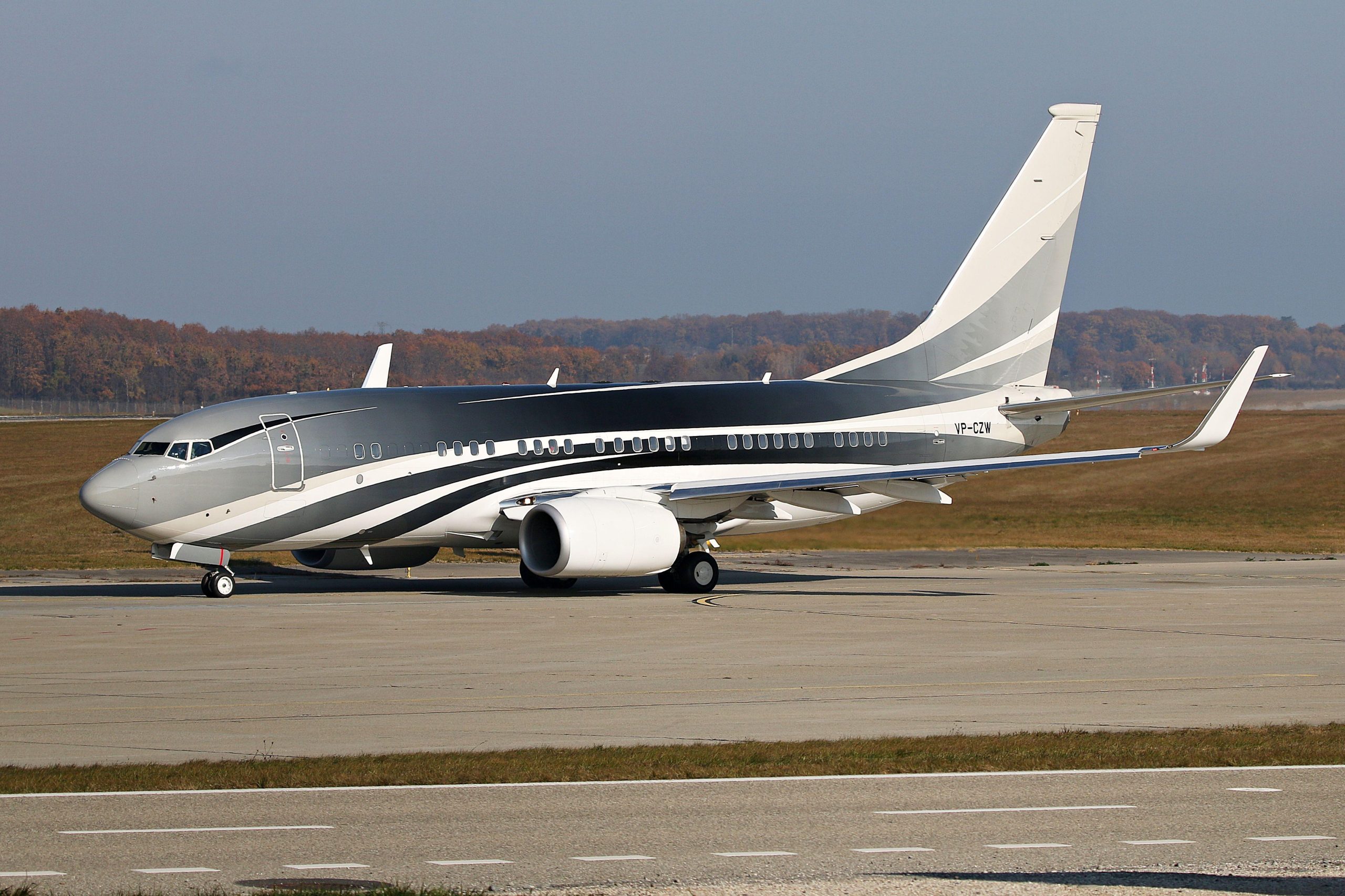
Flying private is often seen as the summery of luxury, offering comfort, convenience, and an array of personalized services. However, while private jet travel is widely celebrated for its exclusivity and efficiency, safety remains the top priority for both operators and passengers. Private jet safety goes beyond the plush interiors, gourmet meals, and customized amenities, focusing on rigorous standards and technologies designed to ensure that each flight is secure, smooth, and free of any major incidents.
While commercial airlines are often seen as having an impressive safety record, private jet travel boasts its own array of sophisticated safety features and protocols. From highly-trained pilots and state-of-the-art avionics systems to regular maintenance and strict regulatory oversight, the private jet industry goes above and beyond to ensure the well-being of its passengers. Whether you are a seasoned private flyer or new to the experience, understanding the safety protocols in place can provide peace of mind and enhance your confidence in private air travel.
In this article, we will take a comprehensive look at what you need to know about the safety of flying private. We’ll explore the various aspects of private jet safety, including industry regulations, the latest technologies, pilot training, aircraft maintenance, and emergency procedures. By the end of this article, you’ll have a deeper understanding of how private jets are kept safe and how the aviation industry ensures top-tier protection for every flight.
Aviation Regulations for Private Jet Safety
The safety of private jet passengers begins with adherence to a range of stringent regulations set by global and national aviation authorities. These regulations are designed to ensure that private jets are operated safely and that they meet the highest standards for safety and security. In the United States, the Federal Aviation Administration (FAA) is responsible for regulating private jet operations, while the European Union Aviation Safety Agency (EASA) oversees the private jet industry in Europe.
Both the FAA and EASA have developed extensive safety regulations for private jets, including those governing pilot certification, aircraft maintenance, and air traffic control. These regulations apply to all private jet operators, regardless of the size of the aircraft, and are designed to keep flights secure and minimize risks. For instance, private jet operators are required to conduct regular inspections and maintenance checks on their aircraft to ensure that all systems are functioning properly.
In addition to these regulations, private jets must comply with specific operational guidelines that dictate how flights are to be conducted. These include flight altitude limits, weather conditions for takeoff and landing, and restrictions on flight paths. For example, certain aircraft may not be certified to fly in certain weather conditions, such as severe thunderstorms or high winds, and private jet pilots must adhere to these limitations to ensure the safety of the flight.
Moreover, private jet operators must adhere to safety protocols during every phase of the flight, from pre-flight planning to landing. This includes conducting thorough risk assessments, reviewing the weather forecast, and ensuring that the aircraft is properly loaded and balanced. All of these steps are taken to mitigate any potential safety hazards and guarantee a safe flight experience for passengers.
Advanced Avionics and Technology for Enhanced Safety
One of the key factors that contribute to the safety of private jet travel is the integration of advanced avionics and technology into the aircraft. Avionics systems are the electronic systems used on private jets to monitor and control various aspects of the flight, including navigation, communication, and safety systems. These technologies are essential for ensuring that private jets fly efficiently, safely, and within regulatory guidelines.
Some of the most advanced avionics systems found on private jets include:
- GPS and Navigation Systems
Modern private jets are equipped with highly accurate GPS systems that provide real-time data on the aircraft’s location, speed, altitude, and flight path. This allows pilots to make informed decisions during the flight and navigate more efficiently. GPS technology also helps to reduce the risk of navigational errors, ensuring that the aircraft stays on course and avoids collisions with other aircraft. - Weather Radar Systems
Weather radar is another crucial technology used in private jets to detect and avoid adverse weather conditions. Weather radar systems can detect storms, turbulence, and other hazards in the airspace, providing pilots with the information they need to adjust the flight path and avoid potentially dangerous conditions. These systems play a key role in ensuring a smooth and safe flight, particularly in regions with unpredictable weather patterns. - Collision Avoidance Systems
Private jets are equipped with Traffic Collision Avoidance Systems (TCAS), which help pilots avoid mid-air collisions with other aircraft. TCAS uses radar to detect nearby aircraft and provides alerts to pilots when there is a risk of a collision. In some cases, the system can even recommend evasive maneuvers to prevent an accident, adding an extra layer of safety to the flight. - Terrain Awareness and Warning Systems (TAWS)
TAWS is a vital safety feature found on modern private jets. It helps pilots avoid collisions with the ground by providing alerts if the aircraft is approaching terrain or an obstacle that poses a risk. This system is particularly useful when flying at low altitudes or in areas with challenging terrain, such as mountainous regions. - Engine Monitoring Systems
Modern private jets are also equipped with sophisticated engine monitoring systems that allow pilots to monitor the health of the aircraft’s engines in real-time. These systems provide detailed information about the engine’s performance, fuel consumption, and temperature, allowing pilots to detect any potential issues before they become critical. This helps prevent engine failure and ensures that the aircraft operates smoothly throughout the flight.
Pilot Training and Expertise
The safety of private jet flights is heavily reliant on the expertise and training of the pilots who operate the aircraft. Private jet pilots are highly trained professionals who undergo extensive education and certification to ensure they are capable of handling a wide range of flying conditions and emergency situations. The training process for private jet pilots is rigorous and comprehensive, encompassing both theoretical knowledge and hands-on flight experience.
Private jet pilots are typically required to hold an Airline Transport Pilot (ATP) certificate, which is the highest level of pilot certification. This certification requires pilots to have thousands of hours of flight experience and pass a series of demanding written and practical exams. In addition to the ATP certificate, private jet pilots must complete recurrent training to keep their skills sharp and stay updated on the latest safety protocols and technologies.
Training for private jet pilots includes instruction in a wide range of topics, including aircraft systems, weather patterns, navigation, emergency procedures, and first aid. Pilots are also trained to handle challenging flying conditions, such as turbulence, severe weather, and low-visibility situations. They are also required to undergo regular flight simulations, where they practice handling emergency scenarios and practicing their decision-making skills.
Beyond technical skills, private jet pilots are trained to communicate effectively with air traffic control and the flight crew, ensuring smooth coordination during every phase of the flight. This training ensures that pilots are not only capable of handling the aircraft but also prepared to respond to any situation that may arise during the flight.
Aircraft Maintenance and Inspections
Regular maintenance and inspections are vital components of ensuring the safety of private jets. Just like commercial aircraft, private jets must undergo routine checks to ensure that all systems and components are functioning properly. Private jet operators follow a strict maintenance schedule, which is regulated by aviation authorities to ensure that aircraft remain in top condition.
Routine maintenance includes regular checks of the aircraft’s engines, avionics, control systems, and other critical components. Technicians inspect the aircraft for any signs of wear and tear and make repairs or replacements as needed. In addition to routine maintenance, private jets are also subject to annual inspections, which are designed to ensure that the aircraft meets all safety standards and remains airworthy.
Maintenance is typically carried out by certified aircraft technicians who specialize in private jet operations. These technicians have extensive training and experience working with private jets and are skilled at identifying potential issues before they become serious problems. In addition to these scheduled inspections, private jets are also subject to unplanned checks if any issues are detected during the flight or through the monitoring of the aircraft’s systems.
This proactive approach to maintenance ensures that private jets remain safe and operational, reducing the risk of mechanical failures and accidents.
Emergency Procedures and Protocols
In addition to advanced avionics, skilled pilots, and rigorous maintenance schedules, private jet operators have detailed emergency procedures in place to ensure passenger safety in the event of an emergency. While private jet flights are generally safe and free of incident, it is essential for flight crews to be prepared for any situation that may arise.
Private jet pilots are trained to handle a wide variety of emergency scenarios, such as engine failure, loss of cabin pressure, and medical emergencies. They are also trained in emergency landing techniques and how to navigate through challenging situations, such as inclement weather or turbulence. Flight attendants are also trained in emergency evacuation procedures and first aid, ensuring that passengers receive immediate care and assistance if needed.
Private jet operators work closely with ground support teams and emergency response services at airports to ensure quick assistance in the event of an emergency. Whether it’s coordinating medical care, assisting with an emergency landing, or arranging for ground transportation, these teams are ready to respond to any situation promptly.
Conclusion
Flying private is a luxurious experience that offers comfort, convenience, and exclusivity, but it is also a safe and secure way to travel. With strict regulations, cutting-edge technology, highly-trained pilots, regular maintenance, and comprehensive emergency procedures in place, the private jet industry ensures the safety of its passengers at every step of the journey.
Whether you are a frequent private flyer or planning your first experience, knowing the safety measures in place can provide peace of mind and enhance your overall travel experience. By focusing on the safety of every flight, the private jet industry continues to set a high standard for aviation safety, allowing passengers to travel with confidence and security.