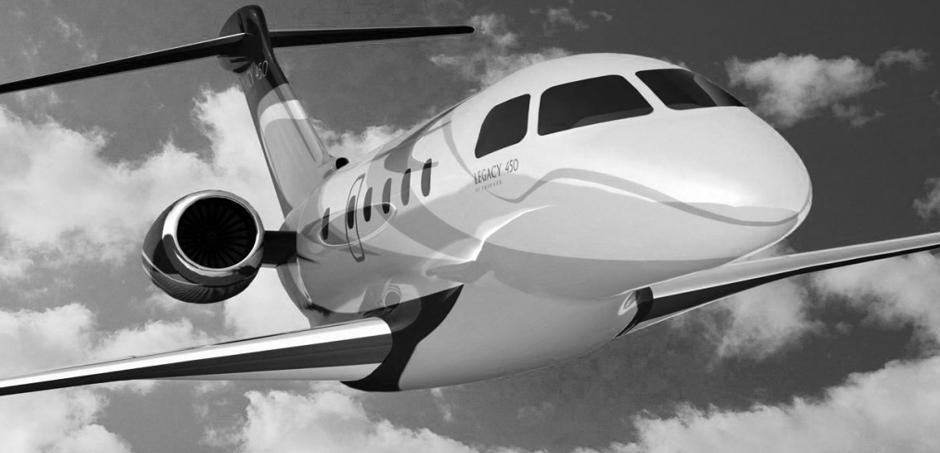
Flying in a private jet is often considered the summery of luxury and convenience, offering a unique travel experience that is far removed from the traditional hassles of commercial air travel. However, before you board your first private jet flight, it’s important to understand the crucial safety measures in place that ensure your well-being throughout the journey. While the private aviation industry is known for its high standards of service, safety is always the top priority. In this article, we will walk you through everything you need to know about private jet safety, from aircraft maintenance and cutting-edge technology to pilot qualifications and emergency protocols.
The Basics of Private Jet Safety
When considering private jet travel, one of the first questions that comes to mind is, “How safe is it?” After all, safety is a paramount concern for any traveler, and it’s natural to want reassurance before embarking on a flight. The good news is that private jets are subject to the same rigorous safety standards as commercial aircraft, and in many cases, private aviation goes above and beyond these regulations to ensure passenger safety.
Unlike commercial airlines, private jets are smaller, more personalized aircraft. This means they have fewer passengers on board, which makes it easier for the crew to manage the safety and comfort of every individual. The level of attention paid to each passenger is one of the reasons why private jets are often perceived as safer than their commercial counterparts. However, the real secret behind private jet safety lies in the strict operational protocols and technological advancements that are incorporated into every flight.
Rigorous Maintenance Standards
One of the most critical aspects of private jet safety is maintenance. Private jet companies are required to follow strict maintenance schedules, ensuring that their aircraft are always in top condition before every flight. Unlike commercial airlines that have a large fleet of planes in regular operation, private jets typically fly less frequently, which allows for more frequent and detailed maintenance checks. These maintenance protocols are carried out by certified and experienced technicians who ensure that every aspect of the aircraft, from the engines to the cabin systems, is functioning optimally.
Maintenance inspections are often more comprehensive than those required by regulatory bodies, ensuring that even the smallest issues are caught and corrected before they become problems. The goal is to prevent any mechanical failure that could compromise safety during flight. Regular maintenance checks include a wide range of services, such as engine inspections, avionics systems checks, and testing of key safety equipment like life vests, fire extinguishers, and oxygen masks. By adhering to a strict and proactive maintenance schedule, private jet companies provide passengers with peace of mind knowing that every flight is as safe as possible.
Technology Enhancements for Safety
Private jets are equipped with some of the latest technology designed to enhance flight safety. These technological advancements include systems that help prevent accidents, improve navigation, and monitor potential risks during flight. One of the most essential safety systems on a private jet is the Traffic Collision Avoidance System (TCAS), which helps pilots detect and avoid other aircraft in the air. TCAS provides real-time alerts if there’s a risk of collision, allowing pilots to take action to avoid dangerous situations.
In addition to TCAS, private jets often feature advanced weather radar systems that enable pilots to monitor weather patterns and avoid hazardous conditions such as thunderstorms, turbulence, and severe winds. Weather radar systems give pilots the ability to adjust the flight path in real-time, helping to keep the aircraft on a safer trajectory. Enhanced Vision Systems (EVS) are also commonly installed on private jets, providing pilots with infrared images of the surrounding environment, even in low visibility conditions. This is especially useful for night flights or in poor weather conditions, ensuring that pilots can navigate safely and confidently.
Another piece of technology that significantly contributes to private jet safety is the aircraft’s autopilot system. While the pilot always remains in control of the aircraft, the autopilot system can assist with certain aspects of flight, such as altitude management and navigation, reducing the likelihood of human error. This technology allows pilots to focus on monitoring the aircraft’s performance and responding to any potential issues, further enhancing the safety of the flight.
Highly Skilled Pilots and Crew
The qualifications and training of the pilots and crew members are crucial factors in ensuring private jet safety. Pilots who operate private jets are required to undergo extensive training that includes hours of flight experience, as well as certifications specific to the type of aircraft they will be flying. These pilots often have significantly more flight hours than commercial airline pilots, and they are highly trained to handle the unique challenges of flying smaller, private aircraft.
In addition to their technical flight skills, private jet pilots are trained to respond to a wide range of emergency scenarios, including medical emergencies, sudden changes in weather, and technical failures. The rigorous training ensures that pilots can remain calm and composed in high-pressure situations, making quick decisions to ensure the safety of all passengers onboard.
Private jet companies place great emphasis on the crew’s role in ensuring passenger safety as well. Cabin crew members are trained in emergency protocols, including evacuation procedures, fire safety, and first aid. They are also familiar with the location of all safety equipment on the aircraft, such as life vests, fire extinguishers, and emergency exits. These highly trained crew members are not only responsible for your comfort but also for your safety throughout the flight. They conduct pre-flight safety briefings to familiarize passengers with the aircraft’s safety features and procedures, ensuring that everyone is aware of what to do in case of an emergency.
Customizable Safety Protocols for Passengers
One of the advantages of flying on a private jet is the ability to tailor the flight experience to your specific needs, including safety protocols. Private jet companies offer personalized services to ensure that passengers with unique medical or security requirements are fully accommodated. For instance, if a passenger has a medical condition or disability, the company can arrange for onboard medical staff or ensure that the aircraft is equipped with the necessary medical equipment, such as oxygen tanks, defibrillators, or a first-aid kit.
If a passenger is concerned about security, private jet companies can also offer additional measures, such as armed security personnel or discreet ground transportation to and from the aircraft. These customized safety protocols provide an added layer of protection, ensuring that all passengers feel secure and well taken care of during their flight.
Emergency Preparedness and Contingency Plans
While private jet companies take every precaution to prevent emergencies, they are also prepared to handle unexpected situations. In the unlikely event of an emergency, private jet operators have detailed contingency plans in place, including emergency landing sites, evacuation procedures, and coordination with local authorities. Pilots and crew members undergo regular emergency drills to ensure they are well-prepared to handle a variety of crisis situations.
Private jets are equipped with the necessary tools and resources to deal with emergencies, such as life vests, emergency oxygen masks, and fire extinguishers. Crew members are trained to administer first aid and assist with evacuations, ensuring that passengers remain safe and calm in the event of an emergency. Moreover, private jet companies are required to comply with strict safety regulations that ensure their aircraft are fully equipped to handle a range of potential scenarios.
Insurance and Liability Coverage
Private jet companies carry comprehensive insurance policies to protect both the aircraft and passengers in the event of an incident. This insurance typically includes coverage for damages to the aircraft, injuries to passengers, and liability for any accidents that occur during the flight. The policies are designed to provide peace of mind to passengers, knowing that they are protected in the unlikely event of an accident or unforeseen circumstance.
In addition to standard insurance, many private jet companies offer additional coverage options for passengers, including medical evacuation insurance and trip cancellation coverage. These additional insurance options help ensure that passengers are fully protected and that their needs are met in the event of an emergency or unforeseen disruption to their travel plans.
Conclusion
Private jet travel offers a level of luxury and convenience that is unmatched by commercial flights, but it is also accompanied by a strong commitment to safety. From rigorous maintenance schedules and cutting-edge technology to highly trained pilots and personalized safety protocols, private jet companies go to great lengths to ensure the safety and well-being of their passengers. By understanding the safety measures in place, first-time private jet passengers can feel confident and secure as they embark on their journey. Whether it’s for business or leisure, flying on a private jet provides a safe, comfortable, and luxurious travel experience that’s hard to match.