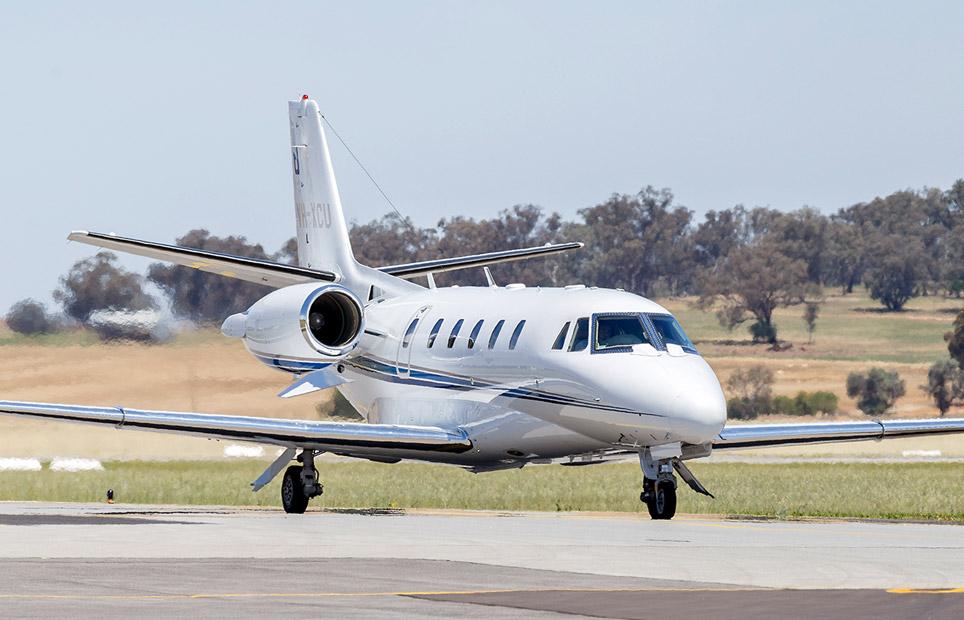
Private jet travel has long symbolized luxury, exclusivity, and convenience, attracting wealthy individuals and business leaders who value time and comfort. The evolution of this mode of travel has been impressive, and as technology, passenger demands, and global challenges change, the future of private jet travel holds even more exciting possibilities. What’s next for this prestigious sector? From groundbreaking aircraft technology to sustainability efforts and new travel experiences, the future promises a complete transformation. This article delves into the innovations, challenges, and trends shaping the next generation of private jet travel.
The private jet industry has always been driven by the quest for comfort, efficiency, and status, but now, it is poised to embrace a new era of change. As the world moves toward sustainability and digital transformation, private aviation is expected to evolve faster than ever before. The innovations discussed in this article will revolutionize how we think about flying privately, making it more accessible, sustainable, and efficient. Let’s take a closer look at what’s next for private jet travel.
The Technological Revolution in Aircraft Design
Private jets have traditionally been synonymous with opulence and performance, but technology is pushing these boundaries even further. In the coming years, we can expect to see massive advancements in aircraft design, with new technologies shaping the future of flight. These innovations include supersonic jets, electric propulsion systems, and the growing possibility of autonomous aircraft.
Electric and Hybrid Aircraft
The private aviation sector is witnessing a move towards electrification, with several manufacturers working on electric and hybrid aircraft. These technologies promise to reduce the environmental impact of private flying, which has long been criticized for its carbon footprint. Electric aircraft, particularly for shorter regional flights, offer a cleaner alternative to conventional jet engines by reducing greenhouse gas emissions and noise pollution.
Hybrid electric systems combine traditional jet fuel engines with electric propulsion, potentially allowing for lower fuel consumption and a significant reduction in operating costs. As battery technology advances, electric aircraft will become increasingly viable for private aviation, opening up a new era of eco-friendly flying. Though still in the early stages, several electric aircraft prototypes are already in development, and the next decade may witness a major shift in the industry toward more sustainable flight options.
Supersonic Jets: The Return of Speed
Supersonic flight, which was once the domain of the Concorde, is on the cusp of a comeback. Several companies are developing new supersonic jets that aim to reduce flight times drastically. For instance, a flight from New York to London could take just three hours, making long-distance travel far more efficient. The focus now is on creating supersonic jets that are quieter and more fuel-efficient than the Concorde, addressing issues like the sonic boom and fuel consumption that limited the viability of supersonic travel in the past.
These next-generation supersonic private jets are not just about speed but also about offering a seamless experience. Innovations in aerodynamics, engines, and materials will make supersonic jets safer, more affordable, and more comfortable than ever before. This technology will likely change how we think about long-distance travel, offering a new level of convenience for private jet owners and passengers.
Autonomous Aircraft: The Rise of Pilotless Jets
While still in the testing phase, autonomous aircraft are gaining traction as a futuristic solution to private jet travel. Fully autonomous jets would operate without a pilot, relying on advanced AI systems to manage the flight. The idea of pilotless jets may seem far off, but the advancements in autonomous technology in commercial aviation suggest that this could soon be a reality for private travel.
By eliminating the need for a pilot, autonomous jets could reduce the costs of private aviation, offering a more affordable way for passengers to access private flights. The technology behind autonomous aircraft is advancing rapidly, with AI systems being developed to manage flight operations, navigation, and emergency procedures. While it may take time for passengers to feel completely comfortable with pilotless aircraft, the future of private aviation may very well include autonomous jets as a standard mode of transportation.
Sustainable Aviation: Reducing the Carbon Footprint
As global concerns about climate change grow, the private jet industry faces increasing pressure to reduce its environmental impact. Although private jets are often criticized for their carbon emissions, the industry is making strides in adopting more sustainable practices. From sustainable aviation fuel (SAF) to the development of electric aircraft, private jet travel is becoming greener, and it is expected that the coming years will bring even more innovations in sustainability.
Sustainable Aviation Fuel (SAF)
Sustainable Aviation Fuel (SAF) is one of the most promising developments in the private aviation sector. SAF is made from renewable resources such as agricultural waste, algae, or even municipal waste, which can significantly reduce the carbon footprint of private flights. SAF can be used in existing jet engines without requiring significant modifications, making it a viable solution for reducing emissions without requiring complete overhauls of current fleets.
Several private jet operators are already experimenting with SAF, and many are working toward integrating SAF into their daily operations. As production ramps up and more suppliers enter the market, SAF is expected to become a standard fuel option for private jets, providing a cleaner and more sustainable alternative to traditional jet fuel.
Electric Aircraft and Hybrid Propulsion
As previously mentioned, electric and hybrid aircraft hold the potential to revolutionize private jet travel by making it more eco-friendly. These aircraft utilize electric motors powered by advanced batteries, significantly reducing emissions compared to traditional jet engines. Hybrid propulsion systems combine electric power with conventional jet engines, creating more fuel-efficient aircraft while still maintaining the performance required for longer flights.
The aviation industry is already investing heavily in these technologies, with major manufacturers working on prototypes and planning for commercial flights in the near future. For short to medium-range flights, electric and hybrid aircraft will be key in reducing the environmental impact of private jet travel.
Carbon Offsetting and Greener Airports
Many private jet companies are adopting carbon offset programs to mitigate the environmental impact of flying. Passengers can purchase carbon credits that support initiatives like reforestation, renewable energy projects, and energy efficiency programs. This practice is becoming increasingly popular as more travelers become conscious of their carbon footprint and look for ways to mitigate their environmental impact.
Airports are also getting involved in sustainability efforts. Some airports are introducing electric ground vehicles, using renewable energy sources, and implementing waste reduction programs. As the aviation industry continues to evolve, it’s expected that airports will play an even greater role in supporting sustainability efforts, making the entire private jet travel experience more eco-friendly.
The Passenger Experience: Luxury, Comfort, and Convenience
While technology and sustainability are at the forefront of private jet innovation, the passenger experience remains a key focus. The future of private jet travel will see further enhancements in comfort, convenience, and personalization. Expect to see smarter cabins, more seamless travel experiences, and an increased emphasis on wellness during flights.
Smart Cabins and Enhanced Connectivity
As technology continues to advance, the interiors of private jets are becoming more sophisticated. Smart cabins will feature advanced systems that allow passengers to control everything from lighting and temperature to entertainment and communication with a simple touch or voice command. Integrated systems will create an immersive environment customized to individual preferences, offering passengers greater control over their surroundings.
Connectivity is another critical aspect of the passenger experience. As 5G technology becomes more widespread, in-flight internet will become faster and more reliable. Passengers will be able to stream movies, attend video calls, or access high-speed internet without the usual frustrations of lagging or weak signals. High-speed connectivity will make it easier for business travelers to remain productive while in the air, helping them stay connected to their teams, clients, and partners.
Wellness and Comfort Features
The future of private jet travel is also about focusing on passenger wellness. In-flight wellness is gaining momentum, with airlines and private jet operators incorporating features that prioritize physical and mental well-being. From air purification systems that reduce the risk of illness to sleep-enhancing features like noise-canceling technology and specialized seating arrangements, private jets are becoming more health-conscious.
Ergonomic seating, personalized lighting to combat jet lag, and even in-flight massage services are all expected to become more commonplace on private jets. Additionally, many private jets will have meditation or fitness areas, allowing passengers to maintain their health and fitness while traveling. As health-conscious travel becomes more of a priority, private jet operators will continue to innovate, ensuring that every flight is a restorative and rejuvenating experience.
Luxury Services: More Personalization Than Ever
As private aviation evolves, so too will the level of luxury and personalized service that passengers can expect. In-flight service will become more customized to individual needs and preferences, with crews able to anticipate passengers’ desires before they even ask. Artificial intelligence will play a role in understanding passengers’ preferences based on previous flights and customizing the experience accordingly.
Private jet passengers will also have access to exclusive concierge services, from customized dining experiences to personalized entertainment. Whether it’s organizing a specific itinerary, catering to special dietary needs, or ensuring the best amenities, the future of private jet travel will revolve around personalization and impeccable service. The goal will be to provide an ultra-customized experience that goes beyond luxury, ensuring that every aspect of the journey meets the highest standards.
Conclusion: What’s Next for Private Jet Travel?
The future of private jet travel is bright and full of possibilities. With groundbreaking advancements in aircraft technology, sustainability efforts, and an increased focus on the passenger experience, the private jet industry is undergoing a significant transformation. As electric and hybrid aircraft, supersonic jets, and autonomous flying become more mainstream, private aviation will be faster, greener, and more efficient than ever before.
Passenger experience will also continue to improve, with smarter cabins, enhanced connectivity, and a focus on wellness making private jet travel even more luxurious and comfortable. Sustainability will play an increasingly important role, with carbon offset programs, SAF, and electric propulsion technologies helping to reduce the environmental impact of private aviation.
For those looking to travel in style, convenience, and luxury, the future of private jet travel promises an exciting journey. Whether it’s cutting-edge technology, greener aircraft, or personalized services, private jet travel is set to offer a new level of innovation and sophistication in the coming years.