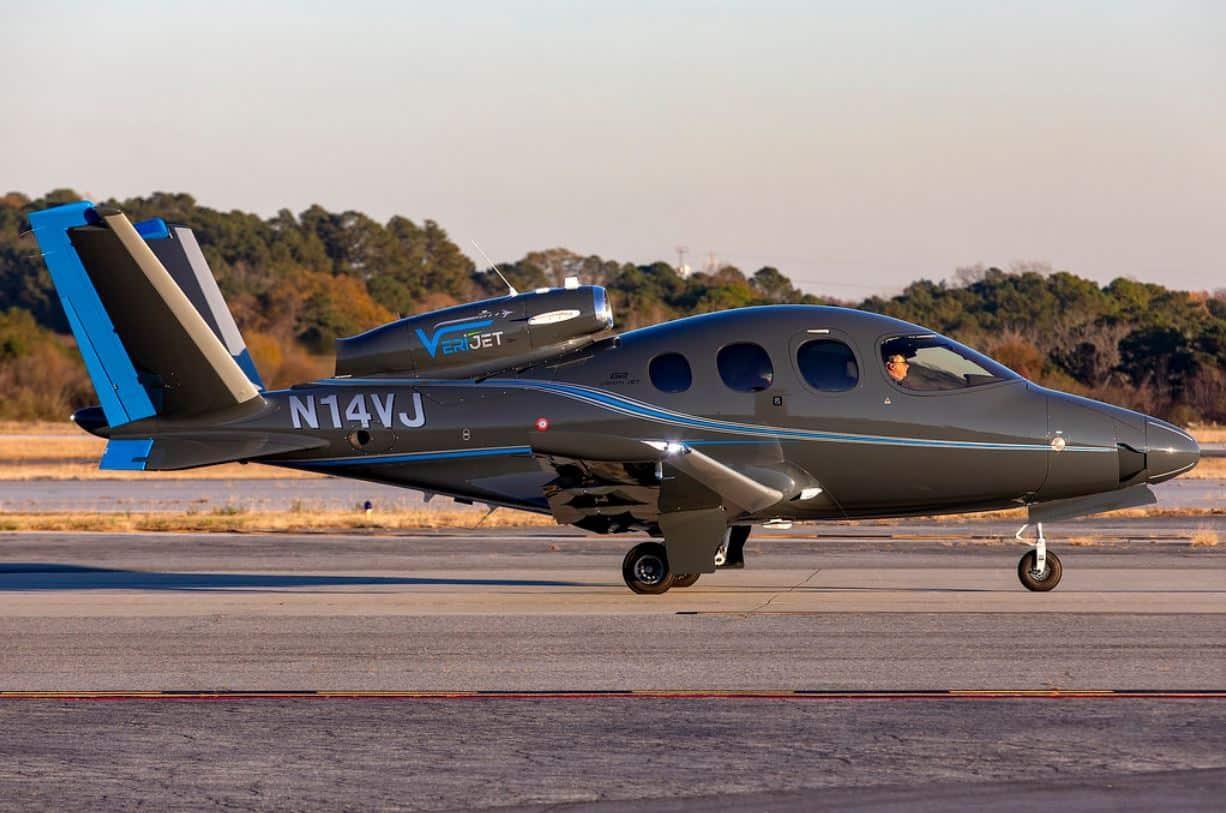
Electric private jets are not just a glimpse into the future of aviation; they represent a transformative shift toward a more sustainable and efficient way to travel. As the world embraces cleaner technologies across various sectors, the aviation industry is undergoing a significant evolution, with electric propulsion taking center stage. These advancements promise to redefine luxury travel, reduce carbon footprints, and create a new standard for eco-friendly aviation.
The Growing Need for Sustainable Aviation
The aviation industry has faced growing scrutiny over its environmental impact. Air travel contributes significantly to global carbon dioxide emissions, with traditional jet engines relying heavily on fossil fuels. This has led to a pressing need for sustainable solutions, and electric private jets are emerging as a viable answer.
What Makes Electric Jets Unique?
Electric private jets use advanced battery technology to power electric motors, replacing the traditional combustion engines found in conventional aircraft. By eliminating the need for jet fuel, these aircraft significantly reduce greenhouse gas emissions and other pollutants. The design and operation of electric jets also offer several advantages, including:
- Quieter Flights: Electric propulsion systems operate with minimal noise, providing a more comfortable and serene travel experience.
- Lower Maintenance Costs: Fewer moving parts in electric motors lead to reduced maintenance requirements.
- Eco-Friendly Operations: Zero emissions during flight contribute to a cleaner environment.
How Electric Jets Are Shaping the Future of Aviation
The introduction of electric private jets marks a paradigm shift in how we think about air travel. These jets are not only a step toward sustainability but also a technological leap that could revolutionize the aviation industry.
Reducing Carbon Footprints in Luxury Travel
Luxury travel often involves significant energy consumption and environmental impact. Electric private jets offer an eco-friendly alternative that aligns with the growing demand for sustainable practices. Travelers can now enjoy the exclusivity of private aviation without compromising their commitment to environmental stewardship.
Innovative Design and Engineering
The development of electric jets has driven innovation in aircraft design. Engineers are rethinking aerodynamics, weight distribution, and energy efficiency to optimize performance. Key advancements include:
- Lightweight Materials: The use of composites and advanced alloys reduces the overall weight of the aircraft, improving efficiency.
- Energy-Dense Batteries: Next-generation batteries with higher energy densities enable longer flight ranges and better performance.
- Regenerative Systems: Technologies that recover and reuse energy during flight enhance sustainability.
Pioneers in Electric Aviation
Several companies are leading the charge in developing electric private jets, pushing the boundaries of what is possible:
- Eviation Aircraft: Known for its Alice electric plane, Eviation is setting the standard for zero-emission regional travel.
- Lilium: Specializing in electric vertical takeoff and landing (eVTOL) aircraft, Lilium focuses on urban air mobility.
- Joby Aviation: This company is developing eVTOL solutions for short-haul and urban travel, emphasizing efficiency and sustainability.
- MagniX: A leader in electric propulsion systems, MagniX is partnering with manufacturers to retrofit existing aircraft with electric motors.
The Role of Technology in Advancing Electric Aviation
The progress of electric aviation depends heavily on technological advancements. Key areas of focus include:
- Battery Technology: Improvements in energy storage, charging speed, and battery lifespan are critical for expanding the capabilities of electric jets.
- Propulsion Systems: Innovations in electric motor design are enhancing performance and reliability.
- Artificial Intelligence: AI is being used to optimize flight routes, energy usage, and maintenance schedules, making electric aviation more efficient.
Challenges and Opportunities
While electric private jets hold immense promise, they also face several challenges:
- Range Limitations: Current battery technology restricts the range of electric aircraft, particularly for long-haul flights.
- Infrastructure Needs: Airports and charging stations must be upgraded to support electric aviation.
- Regulatory Hurdles: New technologies require rigorous testing and certification to ensure safety.
Despite these obstacles, the opportunities are vast. As technology improves, electric jets could become a mainstream choice for both luxury and commercial aviation.
Environmental Impact of Electric Private Jets
The environmental benefits of electric aviation are undeniable:
- Zero Emissions: Electric jets produce no carbon dioxide during flight, reducing the aviation industry’s overall carbon footprint.
- Reduced Noise Pollution: Quieter operations contribute to less noise pollution around airports and urban areas.
- Sustainable Manufacturing: Many manufacturers are adopting eco-friendly practices in the production of electric aircraft.
Cost Implications for Operators and Travelers
Electric private jets offer the potential for cost savings in several areas:
- Lower Fuel Costs: With no need for jet fuel, operational expenses are significantly reduced.
- Reduced Maintenance: Electric motors have fewer components, leading to lower maintenance costs.
- Energy Efficiency: Advanced propulsion systems optimize energy use, further reducing operating costs.
The Evolution of Private Jet Charter Services
Electric jets are poised to transform the private jet charter market. Charter operators are increasingly incorporating electric aircraft into their fleets to meet the growing demand for sustainable travel. This shift not only benefits the environment but also attracts a new generation of environmentally conscious travelers.
Government Support and Industry Collaboration
Governments and industry stakeholders are playing a crucial role in advancing electric aviation:
- Incentives and Subsidies: Financial support for research and development encourages innovation.
- Regulatory Frameworks: Clear guidelines and standards facilitate the adoption of new technologies.
- Collaborative Efforts: Partnerships between manufacturers, energy providers, and infrastructure developers drive progress.
The Future of Long-Haul Electric Aviation
While current electric jets are best suited for short-haul flights, advancements in technology could extend their capabilities to long-haul routes. Research into hydrogen fuel cells, high-energy batteries, and advanced propulsion systems holds the potential to overcome range limitations.
Luxury Meets Sustainability
Electric private jets are redefining the concept of luxury travel. With their quiet operation, sleek designs, and eco-friendly credentials, these jets offer an a very uniqueed experience for discerning travelers. The fusion of sustainability and sophistication makes electric aviation a compelling choice for the future.
Case Studies: Success Stories in Electric Aviation
- Eviation’s Alice: A fully electric aircraft designed for regional travel, showcasing the feasibility of zero-emission aviation.
- Joby Aviation’s eVTOL: Innovations in urban air mobility, providing efficient and sustainable transportation options.
- Ampaire’s Hybrid Retrofits: Demonstrating the practicality of transitioning existing aircraft to hybrid-electric systems.
Conclusion
Electric private jets represent the future of sustainable aviation, combining technological innovation with environmental responsibility. As the industry continues to evolve, these aircraft will play a pivotal role in reducing the aviation sector’s carbon footprint and redefining luxury travel. With ongoing advancements and growing support from governments and industry leaders, electric jets are set to become a cornerstone of modern aviation, offering a greener, quieter, and more efficient way to explore the skies. For travelers seeking an eco-conscious alternative without compromising on comfort and style, electric private jets are the ultimate solution.