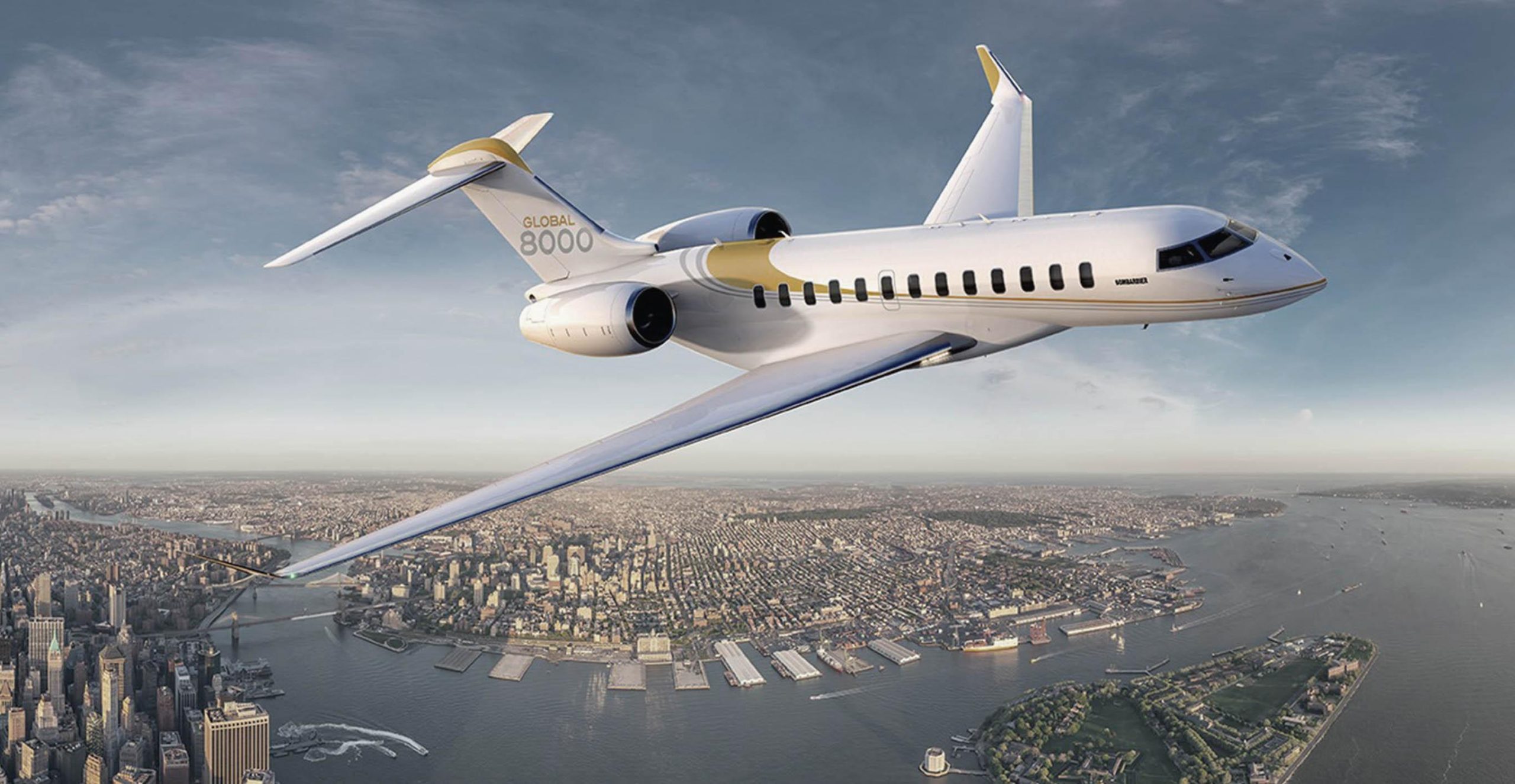
Private Jet PrivateJetia 030 scaled
In today’s fast-paced business world, time is one of the most valuable commodities. As companies grow and expand across borders, corporate executives find themselves constantly on the move. For many high-ranking business leaders, the demands of travel can become overwhelming, particularly when relying on commercial airlines. This has led to a significant increase in the number of corporate executives choosing private jets as their preferred mode of transportation. The advantages of flying privately are numerous, from improved efficiency and flexibility to heightened privacy and enhanced business productivity.
In this article, we will explore the reasons why more corporate executives are opting for private jets, examining how this mode of travel is transforming the way business leaders manage their time, conduct meetings, and balance their demanding schedules. From the convenience of direct flights to the luxury of customized amenities, private jet travel is becoming increasingly popular among those at the helm of corporate leadership. Let’s dive into the key benefits that make private jets an essential tool for today’s corporate executive.
1. Time Efficiency: Maximizing the Value of Every Minute
For corporate executives, time is money. Every hour spent in transit is an hour that could have been used to make important decisions, meet clients, or manage business operations. One of the primary reasons why executives are choosing private jets is the a very uniqueed time efficiency that they offer.
When flying commercially, executives are often faced with long check-in lines, delays, and a lack of control over their schedule. Private jets, on the other hand, allow for a streamlined travel experience. With private jet charters, executives can avoid the hassle of crowded airports and long security lines, as they have access to private terminals and expedited security processes. This saves valuable time, allowing executives to arrive at their destination refreshed and ready to take on the next challenge.
Additionally, private jets allow for more flexible scheduling. Unlike commercial flights, which are subject to rigid timetables, private jet travelers can depart and arrive at times that best suit their needs. This level of flexibility means that business leaders can easily adjust their travel plans to accommodate last-minute meetings, urgent business deals, or unforeseen changes in their schedule. The ability to control their travel itinerary ensures that executives spend less time waiting around and more time focusing on their business priorities.
Private jets also offer the benefit of direct flights to smaller, regional airports that are often more convenient than major commercial hubs. This reduces the need for layovers or connecting flights, further saving time and ensuring that executives can get from point A to point B as efficiently as possible.
2. Privacy and Confidentiality: Protecting Sensitive Business Matters
Another significant advantage of private jets is the level of privacy and confidentiality they offer. In the corporate world, where sensitive information and high-stakes deals are often discussed, maintaining discretion is crucial. When executives choose to fly privately, they ensure that their business affairs remain secure and protected from prying eyes.
Commercial airlines, with their crowded cabins and busy terminals, do not offer the level of privacy that many top executives require. Important phone calls, meetings, and confidential discussions may be overheard by other passengers or staff members, compromising the integrity of sensitive business matters. With private jets, however, executives can conduct meetings in a completely private environment, free from distractions or eavesdropping.
Private jets come equipped with soundproofed cabins, ensuring that conversations remain confidential and business discussions are not interrupted. In many cases, private jet operators can also offer additional security features, such as encrypted communication systems, to further protect valuable business information. This allows corporate leaders to focus on their work and engage in high-level negotiations or strategy sessions while in the air, without worrying about compromising their confidentiality.
The ability to maintain privacy is especially crucial for executives involved in mergers and acquisitions, high-profile contracts, or other sensitive matters. When traveling on a private jet, they can feel secure knowing that their discussions are held in the utmost confidence, allowing them to make decisions with peace of mind.
3. Enhanced Productivity: The Office in the Sky
For corporate executives, staying productive while traveling is essential to making the most of their time. Private jets offer a level of comfort and convenience that allows business leaders to continue working while en route to their destination. Instead of being confined to cramped airline seats, executives can take advantage of spacious cabins that are designed to accommodate work needs.
Most private jets are equipped with a range of amenities that support business activities. High-speed internet, phone lines, and video conferencing systems ensure that executives can stay connected to their teams and clients during the flight. Whether it’s sending emails, reviewing reports, or holding virtual meetings, private jets provide the necessary tools to stay productive in the air.
In addition to technological support, private jets often offer comfortable seating and workspaces that make it easier for executives to focus on their tasks. Some jets feature conference tables, large flat-screen monitors, and ergonomic chairs, creating a mobile office environment that facilitates collaboration and decision-making. With the freedom to move around and choose their working environment, executives can adapt their workspace to suit their needs, making it easier to stay focused and organized.
Moreover, the ability to work uninterrupted is a significant advantage of flying privately. Unlike commercial flights, where passengers are often distracted by the noise and bustle of the cabin, private jets offer a quiet, peaceful environment that allows for better concentration. This can lead to increased productivity, as executives can use their travel time to accomplish critical tasks and stay ahead of their busy schedules.
4. Flexibility and Customization: Tailoring the Travel Experience
Another key factor driving the popularity of private jets among corporate executives is the level of flexibility and customization they offer. Private jet travel is not one-size-fits-all, executives have the ability to tailor their experience to meet their specific needs and preferences.
Private jets come in a variety of sizes and configurations, allowing executives to choose the perfect aircraft for their journey. Whether traveling alone or with a team, there are options available to accommodate different group sizes and requirements. Many private jets offer customizable interiors, with features such as plush seating, luxurious décor, and state-of-the-art entertainment systems. This allows business leaders to create a comfortable and personalized environment that suits their tastes and makes their journey more enjoyable.
Furthermore, the level of service provided on private jets is a very uniqueed. From gourmet catering to personalized concierge services, private jet companies go above and beyond to ensure that every need is met. Executives can request specific meals, beverages, or even special amenities, creating a truly customized experience. For those with particular preferences or dietary restrictions, private jet operators can accommodate any request, ensuring that the journey is as enjoyable as it is productive.
The ability to customize the travel experience also extends to flight routes and destinations. Private jets can access a wide range of airports, including smaller, regional hubs that may not be serviced by commercial airlines. This means that executives can travel to more convenient locations, closer to their final destination, and avoid the delays and hassles associated with major airports.
5. Comfort and Luxury: The Ultimate Travel Experience
While time efficiency and productivity are important factors, private jets also offer an unmatched level of comfort and luxury. For corporate executives who spend a significant amount of time in the air, having a comfortable and relaxing environment is essential to maintaining both physical and mental well-being.
Private jets are designed with comfort in mind, featuring spacious cabins with plush seating, reclining chairs, and ample legroom. Some jets offer fully customizable interiors, including private bedrooms, bathrooms, and even showers, providing an incredibly luxurious travel experience. High-end materials such as leather, wood, and marble are often used in the construction of private jet interiors, creating an elegant and sophisticated atmosphere.
In addition to the physical comfort of the cabin, private jets offer a range of amenities that make the journey more enjoyable. Executives can enjoy fine dining with gourmet meals prepared to their specifications, or unwind with entertainment options such as movies, music, or games. For those who prefer to relax, private jets offer quiet, peaceful environments where passengers can take a nap or enjoy a moment of solitude.
The luxurious nature of private jet travel helps executives arrive at their destination feeling refreshed and ready to take on the next challenge. This is especially important for those who have back-to-back meetings or need to perform at their best upon arrival. The ability to rest and recharge in a comfortable, private environment ensures that executives are always at their best, both mentally and physically.
6. A Competitive Edge: Strengthening Corporate Image
In the competitive world of business, image matters. Corporate executives who fly privately not only gain personal benefits but also enhance their company’s reputation. Traveling by private jet signals success, professionalism, and commitment to excellence. It demonstrates that the company values efficiency, privacy, and comfort, which can resonate positively with clients, partners, and investors.
Flying privately also allows executives to make a strong impression when meeting with high-profile clients or business partners. The experience of traveling in a private jet can help foster trust and strengthen relationships, as it showcases the company’s ability to provide the best in service and luxury. This can be especially beneficial in industries where perception plays a crucial role in securing deals and partnerships.
Additionally, executives who choose private jets often have access to exclusive lounges, events, and networking opportunities that can further elevate their professional standing. The combination of luxury, convenience, and prestige makes private jet travel an attractive choice for corporate leaders who are looking to enhance their image and maintain a competitive edge.
Conclusion
In a world where time is increasingly precious, corporate executives are turning to private jets to maximize their efficiency, productivity, and overall travel experience. The advantages of flying privately are clear: executives can save valuable time, maintain confidentiality, stay productive on the go, and enjoy a level of comfort and luxury that is unmatched by commercial airlines. As the demands of modern business continue to evolve, private jets are becoming an essential tool for executives who want to stay ahead of the curve and maintain a competitive


