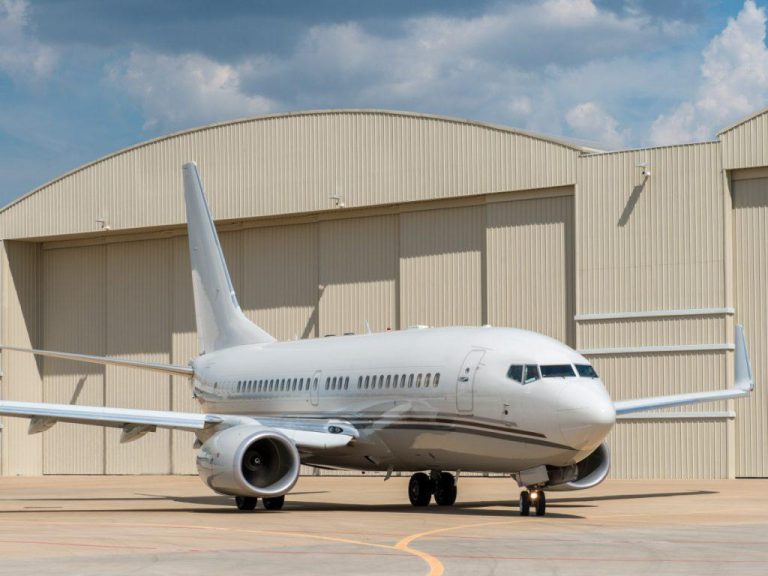
PrivateJetia Private Jet Fly 110
Private jets have emerged as indispensable tools in the realm of international trade and commerce, bridging distances and creating unprecedented opportunities for businesses. With globalization at its peak, companies are continually seeking ways to expand their operations across borders, establish strong networks, and capitalize on emerging markets. Private jets provide the flexibility, speed, and reliability required to thrive in today’s fast-paced global economy.
Revolutionizing Business Connectivity
One of the most significant contributions of private jets to international trade is their ability to connect businesses across the globe seamlessly.
- Direct Access to Global Markets: Unlike commercial flights, private jets can reach smaller, remote airports, granting businesses direct access to untapped markets. This is particularly valuable for industries looking to establish a presence in regions with limited commercial flight options.
- Multiple Stops in a Single Trip: Business leaders can visit multiple cities or countries in one journey, significantly reducing travel time and enabling swift decision-making.
- Tailored Schedules: Private aviation offers a very uniqueed scheduling flexibility, allowing companies to align travel plans with their operational demands.
Enhancing Supply Chain Efficiency
Private jets play a pivotal role in streamlining supply chains, ensuring goods and personnel reach their destinations promptly.
- Time-Sensitive Deliveries: High-value or perishable goods often require expedited transportation. Private jets provide the speed and reliability necessary for such shipments.
- Reducing Delays: By avoiding congested commercial airports and adhering to flexible schedules, private aviation minimizes downtime in the supply chain.
- Customizable Cargo Solutions: Many private jets are equipped to handle specialized cargo, catering to industries such as pharmaceuticals, technology, and luxury goods.
Empowering Face-to-Face Interactions
In international trade, relationships are the cornerstone of success. Private jets facilitate face-to-face meetings, fostering trust and collaboration.
- Building Stronger Partnerships: Personal interactions allow businesses to establish deeper connections with clients, suppliers, and partners, enhancing long-term relationships.
- Cultural Sensitivity: Meeting stakeholders in their home country demonstrates respect for local customs and traditions, fostering goodwill and mutual understanding.
- Conflict Resolution: In-person negotiations are often more effective in resolving disputes and finalizing agreements.
Driving Economic Growth in Emerging Markets
Private jets enable businesses to tap into the potential of emerging markets, contributing to their economic development.
- Overcoming Infrastructure Challenges: Many developing regions lack extensive commercial airline networks. Private jets bridge this gap, providing access to these markets and facilitating trade.
- Promoting Investments: By enabling direct visits, private aviation encourages businesses to invest in infrastructure, local industries, and workforce development.
- Supporting Small and Medium Enterprises (SMEs): SMEs often benefit from the presence of larger businesses, gaining access to new opportunities and resources.
Boosting Productivity During Travel
Unlike commercial flights, private jets allow executives to remain productive while traveling, ensuring no time is wasted.
- Secure Work Environment: The privacy of private jets provides a safe space for discussing confidential business matters or working on critical projects.
- Customizable Amenities: From Wi-Fi to onboard meeting rooms, private jets are equipped with features that facilitate uninterrupted work.
- Reduced Fatigue: The convenience of private aviation minimizes travel stress, ensuring executives arrive at their destination refreshed and ready to engage.
Adapting to Dynamic Market Conditions
The fast-paced nature of international trade demands flexibility and agility. Private jets provide businesses with the ability to adapt quickly to changing circumstances.
- Seizing Opportunities: The ability to travel at a moment’s notice allows companies to capitalize on emerging opportunities before competitors.
- Crisis Management: In times of crisis, private jets enable swift deployment of key personnel to address challenges and implement solutions.
- Scaling Operations: Businesses can efficiently scale their operations by frequently visiting new markets and overseeing local developments.
Supporting Trade Shows and Global Events
Trade shows and international events are vital platforms for networking, showcasing products, and forging partnerships.
- Efficient Attendance: Private jets ensure timely arrival at events, allowing businesses to maximize their participation.
- Transporting Exhibits: High-value or delicate exhibits can be securely transported via private aviation, ensuring they arrive in perfect condition.
- Networking Opportunities: Attending multiple events in different locations becomes feasible with the flexibility of private jets.
Reducing Barriers to International Trade
Private aviation plays a crucial role in overcoming barriers that hinder global trade, fostering seamless commerce.
- Mitigating Travel Restrictions: Private jets often operate under different regulations, providing greater flexibility in navigating travel restrictions.
- Facilitating Custom Solutions: Businesses can customize travel plans to meet specific requirements, such as transporting unique cargo or adhering to tight schedules.
- Encouraging Cross-Border Collaboration: By enabling frequent visits, private jets foster collaboration between businesses, governments, and organizations across borders.
Environmental Considerations and Innovations
While private aviation has faced criticism for its environmental impact, the industry is actively adopting sustainable practices to address these concerns.
- Sustainable Aviation Fuel (SAF): The use of SAF significantly reduces carbon emissions, making private aviation more eco-friendly.
- Green Aircraft Technologies: Innovations in aerodynamics, materials, and propulsion systems are improving the efficiency of private jets.
- Carbon Offset Programs: Many private jet operators offer carbon offset options, allowing businesses to mitigate their environmental footprint.
Future Trends in Private Aviation for Trade
As international trade continues to evolve, private aviation is poised to play an even greater role in driving global commerce.
- Advances in Aircraft Design: The next generation of private jets will offer enhanced speed, range, and efficiency, further reducing barriers to global trade.
- Digital Integration: Improved booking platforms, real-time tracking, and predictive analytics will streamline private aviation services.
- Expanding Accessibility: Fractional ownership and jet-sharing programs are making private jets more accessible to a wider range of businesses.
Conclusion
Private jets are revolutionizing international trade and commerce by enhancing connectivity, streamlining supply chains, and fostering collaboration. They provide businesses with the tools to navigate the complexities of global markets, seize opportunities, and maintain a competitive edge. As the private aviation industry continues to innovate and adapt, its role in shaping the future of international trade will only grow stronger.