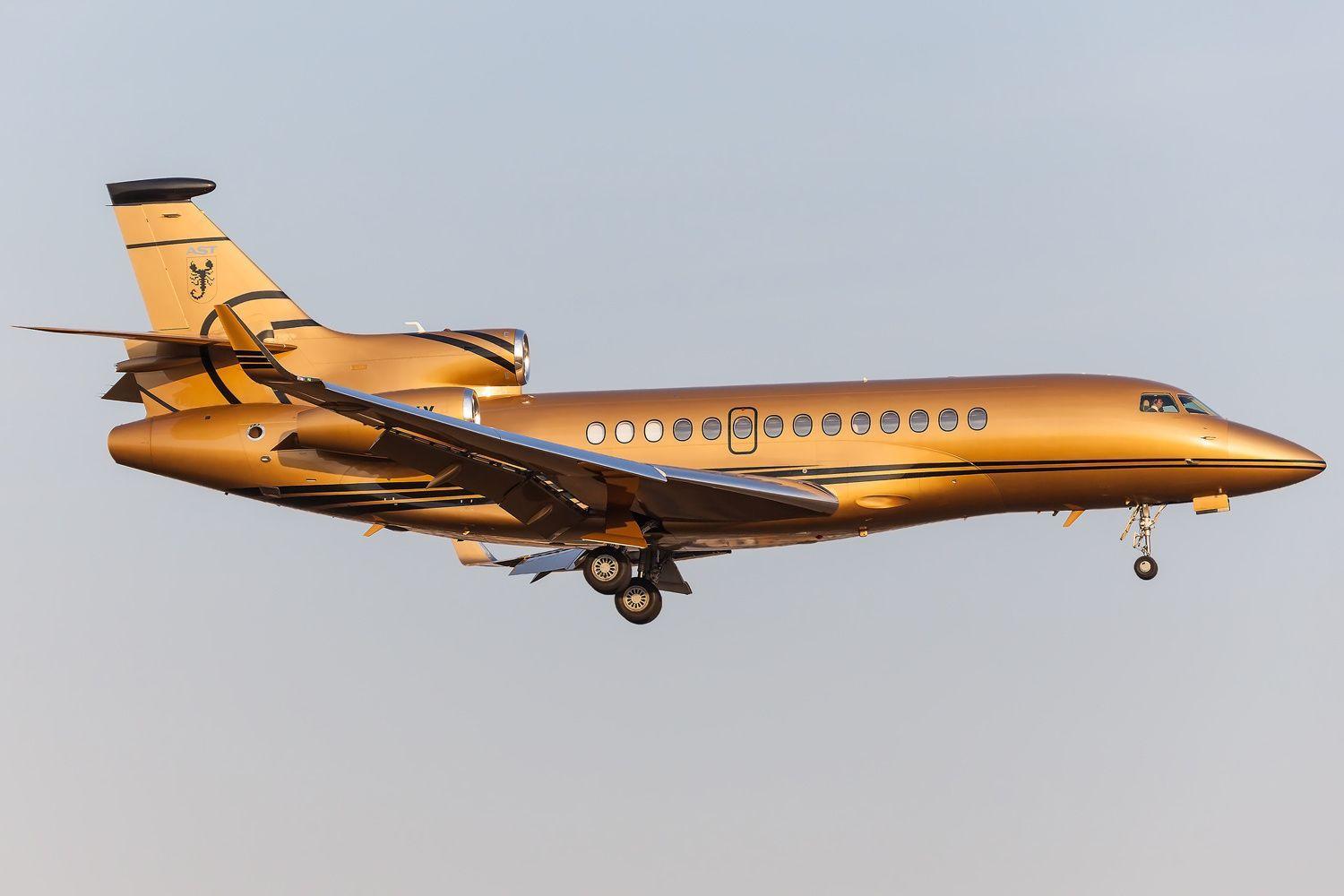
When it comes to luxury travel, safety is a paramount concern. For high-net-worth individuals, executives, and other discerning travelers, private jets offer a level of comfort and convenience that commercial airlines simply cannot match. However, beyond the luxurious amenities and personalized service, there is a significant advantage that private jets hold over commercial flights: safety. While both forms of air travel are regulated and subject to strict safety standards, private jets are often considered safer for a number of reasons. This article delves into the factors that contribute to the heightened safety of private jet travel, comparing it to the commercial airline experience and exploring why luxury travelers increasingly prefer private aviation for their journeys.
Personalized Attention and Specialized Safety Protocols
One of the most significant advantages of private jet travel is the highly personalized attention provided to each passenger. In commercial aviation, passengers are just one of many on a crowded flight, with safety procedures designed to accommodate a large number of people. However, in the private jet industry, every aspect of the flight experience is customized to the individual needs of the traveler. This includes the implementation of safety protocols that are specifically designed to cater to the unique requirements of each passenger and their flight.
Private jet operators go to great lengths to ensure the safety of their passengers by offering specialized services, such as bespoke in-flight medical support, customized flight plans, and on-demand emergency preparedness. Private jets are typically equipped with advanced medical kits and may even have the option for onboard medical staff or emergency evacuation plans if necessary. Unlike commercial flights, where medical emergencies may require waiting for a medical team upon arrival, private jet passengers can often receive immediate care during the flight.
Furthermore, private jets are able to maintain a more streamlined and efficient boarding process. The passengers, their baggage, and other essential items are carefully screened in a more private and controlled environment, reducing the risk of mishaps or security issues. With fewer people involved in the boarding process, there is a smaller margin for error, and potential threats are more easily detected.
The Role of Smaller Aircraft and Less Congested Airspace
Another key factor that contributes to the safety of private jets is the size of the aircraft itself. Private jets are generally smaller than commercial airliners, which allows for greater maneuverability and flexibility in the air. Smaller aircraft are less affected by turbulence and adverse weather conditions, which are more likely to cause discomfort or even pose risks to passengers on commercial flights.
Because private jets operate in less congested airspace, they can also avoid some of the traffic and congestion that commercial flights often encounter. Commercial airlines must follow set flight paths that can sometimes result in delays or encounters with other aircraft. With private jets, however, flight paths can be more customized and flexible, allowing the aircraft to avoid busy air corridors or hazardous weather conditions.
Additionally, private jets are often able to fly at higher altitudes than commercial airlines, where the air is less turbulent and more stable. This reduces the likelihood of encountering severe weather or turbulence, providing passengers with a smoother, more comfortable ride. In comparison, commercial flights often fly at lower altitudes, where the air is denser and more prone to turbulence.
Direct Routes and Fewer Stops
One of the major advantages of private jets is the ability to take direct routes from point A to point B, bypassing many of the delays and complexities associated with commercial flights. Commercial airliners must follow scheduled routes, which often include layovers or connections at major airports. These layovers can introduce additional safety risks, such as longer wait times in airports, crowded terminals, and the possibility of missed connections or canceled flights.
With private jets, luxury travelers enjoy the benefit of flying directly to their destination, which significantly reduces the time spent in the air and on the ground. This minimizes the chances of encountering delays due to airport traffic, weather, or other unforeseen issues. Moreover, with fewer stops and shorter travel times, there is a reduced risk of mechanical failure or other technical problems that can arise during prolonged flights.
Direct flights on private jets also provide travelers with the peace of mind that comes with knowing they will not have to endure the inconvenience of multiple security checks, long waiting times, and overcrowded terminals. This contributes not only to the overall safety of the journey but also to the overall convenience and luxury of private jet travel.
Highly Qualified Pilots and Crew
The caliber of pilots and crew members operating private jets is another significant factor that enhances the safety of private jet travel. Private jet operators typically hire highly experienced pilots with extensive training and qualifications. These pilots are often required to have significantly more flight hours than commercial airline pilots, and many have specialized training in various aspects of private aviation.
While commercial pilots undergo rigorous training and must adhere to strict regulatory requirements, private jet pilots are often selected based on their expertise in specific types of aircraft and flight operations. Many private jet pilots have experience in smaller, more complex aircraft, which can be more challenging to fly than the larger commercial planes used by major airlines. This specialized training allows private jet pilots to handle a variety of flight conditions and potential challenges with greater skill and confidence.
In addition to pilot qualifications, the crew members aboard private jets are typically highly trained in various aspects of aviation safety. From ensuring that the aircraft is properly stocked with safety equipment to providing emergency assistance if needed, the crew on a private jet plays a crucial role in ensuring the safety and well-being of all passengers.
Private jet operators also provide extensive training in emergency procedures and safety protocols to their crew members. This includes training in first aid, emergency evacuation, and handling in-flight emergencies. With smaller, more intimate flight crews, private jet passengers benefit from a more focused and attentive crew, ensuring that they are always in safe hands.
State-of-the-Art Technology for Enhanced Safety
The private jet industry has embraced cutting-edge technology to enhance the safety of its aircraft. Modern private jets are equipped with some of the most advanced avionics systems available, including weather radar, collision avoidance systems, and real-time monitoring systems. These technologies provide pilots with critical information that allows them to make informed decisions and take proactive measures to ensure the safety of the aircraft and its passengers.
One of the most important safety systems in private jets is the Traffic Collision Avoidance System (TCAS), which helps prevent mid-air collisions. TCAS uses radar to detect the presence of nearby aircraft and provides pilots with instructions on how to adjust their flight path if a collision risk is detected. This system is especially important in busy airspace, where multiple aircraft may be flying in close proximity to one another.
Additionally, private jets are often equipped with weather radar systems that provide pilots with real-time data about weather conditions ahead of the aircraft. This allows pilots to detect severe weather, such as thunderstorms or turbulence, and adjust the flight path accordingly to avoid potentially hazardous conditions. Such systems are often more advanced and accurate than those available to commercial pilots, further enhancing the safety of private jet travel.
Private jets are also equipped with Enhanced Vision Systems (EVS), which provide pilots with improved visibility, particularly in low-light or low-visibility conditions. This technology uses infrared sensors to create a clear image of the terrain and obstacles, allowing pilots to navigate more safely and confidently, even in challenging weather conditions or during night flights.
Enhanced Maintenance and Regular Inspections
Private jets undergo regular and meticulous maintenance to ensure that they remain in optimal condition and meet the highest safety standards. Unlike commercial aircraft, which are often operated by large airlines with complex schedules and maintenance procedures, private jets receive more individualized attention and care. Private jet operators typically have dedicated maintenance teams that perform routine inspections, repairs, and upgrades to ensure the aircraft is always ready for flight.
Private jet maintenance is performed according to the manufacturer’s specifications and often exceeds the minimum requirements set by regulatory bodies. These maintenance checks are performed on a more frequent basis, ensuring that any issues are identified and resolved promptly before they can pose a risk to the safety of the flight. This personalized approach to maintenance means that private jets are in pristine condition and more likely to operate without incident.
Furthermore, private jets are often subject to more rigorous pre-flight checks compared to commercial flights. Every component, from the engines to the avionics systems, is thoroughly inspected before departure to ensure everything is functioning correctly. This attention to detail helps mitigate the risk of mechanical failures, which can sometimes be a concern for commercial flights that are operating on tight schedules.
Conclusion: The Safety Edge of Private Jet Travel
While commercial flights have an excellent safety record, private jets offer an added layer of safety that is hard to match. With personalized safety protocols, fewer risks associated with crowded airports and airspace, highly qualified pilots and crew, state-of-the-art technology, and enhanced maintenance procedures, private jets are considered by many luxury travelers to be a safer option for air travel.
For those who prioritize both luxury and safety, private jets provide an unmatched level of comfort and peace of mind. From the moment passengers step aboard a private jet, they can rest assured knowing that every aspect of their journey has been designed with their safety in mind. Whether flying domestically or internationally, private jet travelers benefit from a higher standard of care, making it the preferred choice for those who demand the highest levels of safety and luxury during their travels.