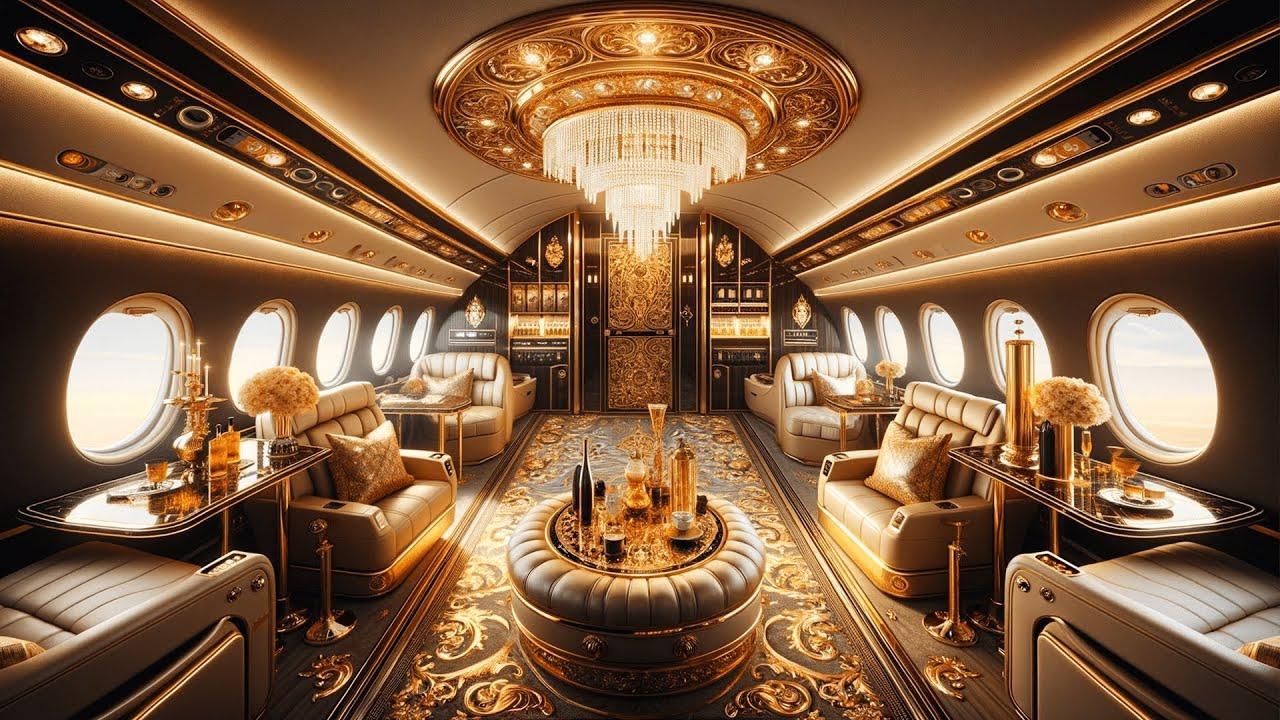
International diplomacy is a highly complex and dynamic field that requires quick decision-making, strategic planning, and constant engagement with key global players. The fast-paced nature of diplomatic work means that world leaders and diplomats must always be ready to respond to international crises, attend important negotiations, and maintain ongoing relationships with counterparts around the world. In this context, private jets have become an indispensable tool, revolutionizing the way diplomats travel and interact in a globalized world. Offering a very uniqueed convenience, flexibility, security, and efficiency, private jets are now the ideal solution for international diplomats. This article delves into why private jets have become an essential asset for modern diplomacy and how they are transforming the world of international relations.
The Unique Demands of Diplomatic Travel
Diplomatic travel is not like ordinary travel. It involves high-ranking officials such as heads of state, foreign ministers, and diplomats who need to travel quickly, securely, and with maximum flexibility. These individuals often attend summits, meetings, and negotiations that can take place at short notice, meaning they need to be able to get to their destination without the constraints of commercial air travel. Traditional air travel simply doesn’t meet the unique demands of diplomatic missions, making private jets the ideal solution.
One of the main challenges of diplomatic travel is the unpredictability of global events. A diplomatic crisis, an urgent negotiation, or a sudden change in travel plans can necessitate swift action. Commercial flights, with their rigid schedules, lengthy check-in procedures, and crowded terminals, can severely limit a diplomat’s ability to respond in real time. In contrast, private jets offer a level of flexibility that allows diplomats to adapt to shifting priorities and maintain a constant presence on the international stage.
Additionally, diplomatic travel often involves navigating complex security protocols. Commercial flights do not provide the necessary level of confidentiality or safety that world leaders require when they travel. High-ranking diplomats are often the target of political adversaries or security threats, which makes it crucial for them to travel on secure, private aircraft. In this regard, private jets provide an unmatched level of safety and security.
Unmatched Flexibility and Control Over Schedules
One of the primary reasons private jets are the ideal solution for international diplomats is the unmatched flexibility they provide. Commercial air travel is highly regimented, with fixed flight schedules and specific routes that passengers must adhere to. For diplomats, this rigidity can present significant challenges, particularly when urgent meetings or diplomatic crises require immediate attention.
With private jets, diplomats have full control over their schedules. They can change flight times, routes, and even destinations based on real-time needs. For example, if a diplomat needs to attend an emergency summit or address a developing crisis, they can depart immediately without being tied to a specific flight schedule. This level of flexibility ensures that diplomats are always ready to respond to the needs of global diplomacy, no matter how sudden or unforeseen the situation may be.
Furthermore, private jets allow diplomats to avoid the delays and long wait times associated with commercial travel. With private aircraft, there are no check-in lines, security screenings, or lengthy boarding processes to contend with. Diplomats can board their flights with minimal delay and head straight to their destination. This efficiency saves valuable time and allows leaders to maximize their productivity while on the move.
Enhanced Security and Privacy
The safety and security of diplomats are paramount, and private jets offer a level of protection that commercial airlines simply cannot provide. When traveling on commercial flights, diplomats are vulnerable to a range of security risks, including potential threats from adversaries, the risk of espionage, and exposure to the public. The presence of other passengers and the lack of control over who is onboard further exacerbate these risks.
Private jets provide an a very uniqueed level of security. For one, private aircraft are equipped with state-of-the-art security measures, including advanced communication systems, secure flight paths, and armed security personnel when needed. This ensures that diplomats are safe from potential threats while in the air.
Moreover, private jets offer complete confidentiality. Diplomatic discussions often involve sensitive and confidential information, and private jets provide a secure environment where leaders can engage in high-level talks without the risk of being overheard. The secluded nature of private aircraft allows diplomats to conduct important negotiations, strategize on international matters, or discuss classified information without concern for eavesdropping. This level of privacy is essential for maintaining the integrity of diplomatic relations.
Additionally, private jets allow for discreet travel. World leaders and diplomats often have to move quietly and without attracting attention. With commercial flights, there is always the risk of media attention or public scrutiny, which can compromise sensitive missions. Private jets, on the other hand, allow diplomats to travel under the radar, ensuring that their movements remain confidential.
Maximizing Productivity During Travel
For diplomats, travel is not simply about getting from point A to point B, it’s an opportunity to engage in crucial work, prepare for meetings, and stay on top of ongoing international issues. While commercial flights can be uncomfortable and offer limited space, private jets are designed with the comfort and needs of busy diplomats in mind. They provide ample space for diplomats to work, hold meetings, and relax during their flights.
Many private jets are equipped with advanced amenities such as high-speed internet, secure communication channels, and fully equipped workstations. This allows diplomats to remain connected to their teams and colleagues, collaborate on important projects, and continue their work while in the air. For example, diplomats can attend video conferences, review documents, or draft reports during their flight, ensuring that no time is wasted. This ability to stay productive while traveling is essential for maintaining the pace of diplomatic work and ensuring that leaders can meet their global responsibilities.
Furthermore, private jets provide a comfortable and private space for diplomats to rest and recuperate. Long international flights can be exhausting, but private jets offer reclining seats, sleeping areas, and high-end amenities that allow diplomats to relax and recharge. This is crucial for ensuring that diplomats arrive at their destinations refreshed and ready to engage in important meetings or negotiations.
Direct Access to Regional Airports
Another major benefit of private jets in diplomatic travel is the ability to access regional airports and bypass crowded, large international terminals. Commercial airlines operate on a set schedule and often only fly into major international airports. These airports can be difficult to navigate, with long waits and extensive security measures, which can delay the diplomat’s ability to reach their destination quickly.
Private jets, on the other hand, allow diplomats to fly directly to smaller regional airports that may be closer to their intended destinations. This not only saves time but also helps avoid the congestion and delays associated with major airports. For example, a diplomat traveling to a remote region or a small country may find it more efficient to land at a local airport rather than a major international hub. This reduces the need for lengthy ground transportation and helps diplomats get to their meetings faster.
Moreover, flying into regional airports can also provide a greater degree of discretion. Large international airports are often crowded with media and other travelers, which can attract unwanted attention. By using private jets and landing at smaller airports, diplomats can maintain a lower profile and avoid public scrutiny.
Streamlining Multilateral Diplomacy
Diplomatic missions often involve multiple countries and complex negotiations between world leaders. In such cases, private jets can streamline the process by allowing leaders to travel together, engage in collaborative discussions, and arrive at their meetings with minimal delay. Private jets enable efficient coordination between multiple parties, allowing diplomats from different countries to attend the same summit or forum without logistical headaches.
For example, during high-level international summits such as the United Nations General Assembly or the G7 meetings, world leaders often travel in close proximity to one another to facilitate quick and easy communication. With private jets, leaders can coordinate their travel arrangements and ensure that they arrive at the venue at the same time, ready to engage in the critical discussions that shape global policy.
In addition, private jets provide the flexibility to accommodate last-minute changes to the agenda or travel plans. In the unpredictable world of international diplomacy, where issues can arise suddenly and require urgent attention, the ability to adjust travel schedules and routes quickly is essential. Private jets offer the agility that diplomats need to stay on top of evolving global issues and respond effectively.
Facilitating Global Crisis Response
In times of crisis, the ability to respond quickly and effectively is crucial. Natural disasters, political upheavals, and security threats often require immediate action, and world leaders must be able to travel rapidly to crisis zones. Private jets offer the flexibility and speed required for such situations, allowing diplomats and leaders to reach the affected areas without delay.
When a crisis arises, private jets enable leaders to depart on short notice and reach their destinations quickly. Whether it’s an emergency meeting in a conflict zone or a disaster response mission, private jets allow world leaders to be on the ground within hours, providing timely assistance and support. This is a critical advantage in diplomatic crises, where delays can exacerbate the situation and hinder resolution efforts.
Moreover, private jets allow leaders to travel discreetly and safely, minimizing the risk of exposure to potential threats. In politically unstable regions or areas facing security risks, private jets offer a secure and confidential means of transportation, ensuring that diplomats can operate with maximum safety.
Conclusion
Private jets have become the ideal solution for international diplomats due to their a very uniqueed flexibility, security, efficiency, and productivity benefits. By offering complete control over travel schedules, enhanced security measures, and the ability to maintain confidentiality, private jets provide diplomats with the tools they need to navigate the complex and fast-paced world of international relations. As the demands of diplomacy continue to evolve, private jets will remain a vital asset for world leaders, enabling them to respond to global crises, engage in high-level negotiations, and ensure the success of diplomatic missions. The transformative role of private jets in diplomacy is undeniable, and their importance in facilitating efficient and secure travel for international diplomats will only continue to grow in the years to come.