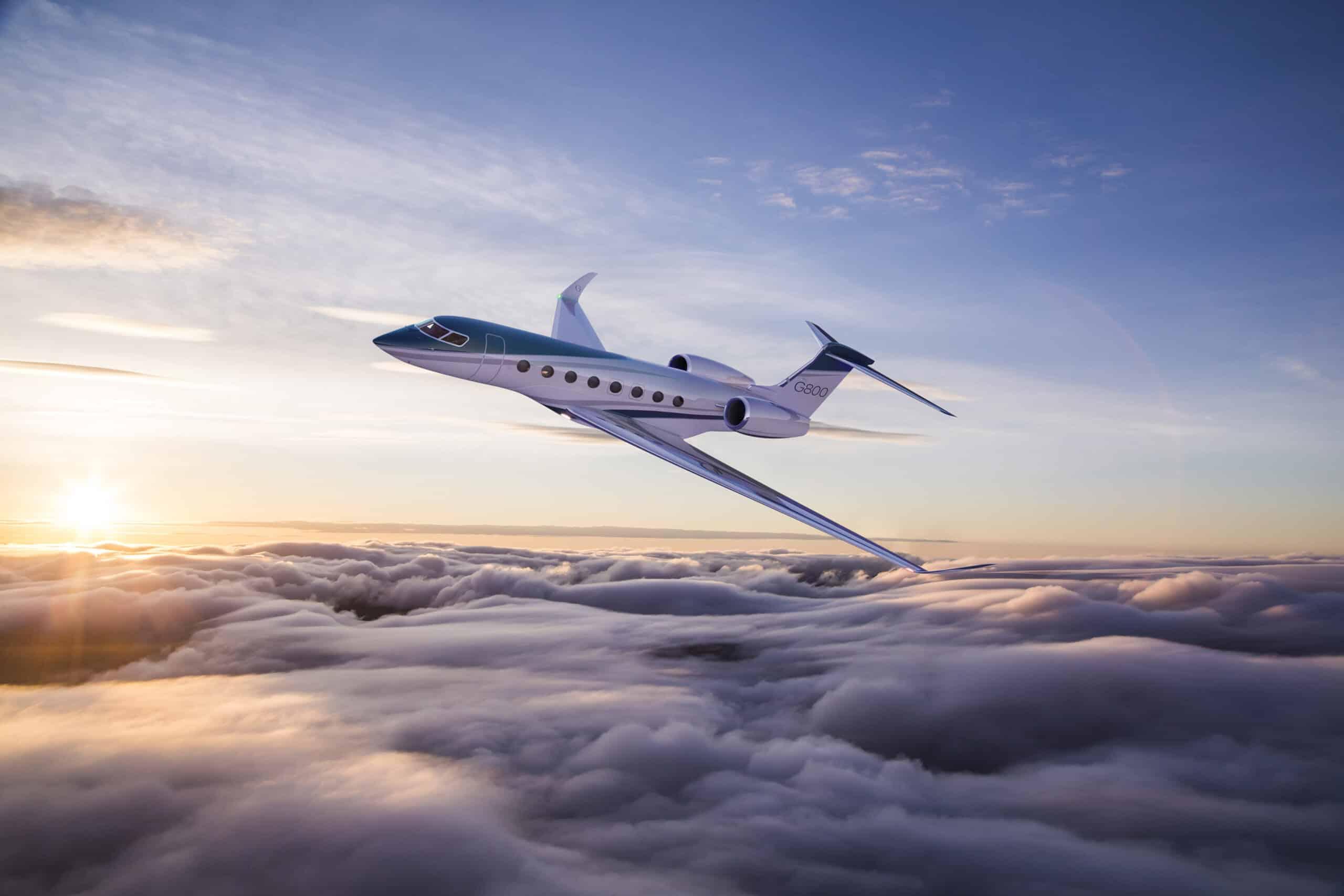
In recent years, sustainability has become one of the most pressing issues for industries worldwide, and the aviation sector is no exception. While private jet travel has traditionally been synonymous with luxury, exclusivity, and convenience, it has also faced growing criticism for its high carbon emissions and environmental impact. As the world grapples with the urgent need to combat climate change, the demand for greener, more sustainable alternatives in private aviation is increasing. This has led to the rise of sustainable private jets, aircraft that integrate cutting-edge technologies, eco-friendly materials, and greener fuel alternatives to minimize their environmental footprint. The shift towards sustainable private jets is not just a passing trend but a reflection of a broader movement within the aviation industry toward more responsible and eco-conscious practices. In this article, we will explore the factors driving the growing popularity of sustainable private jets, the innovations behind these eco-friendly aircraft, and the broader implications of this shift for the future of air travel.
The Growing Demand for Sustainable Solutions
Sustainability has emerged as a key consideration for consumers across industries, and the private aviation sector is no exception. In recent years, individuals and businesses alike have become more aware of their environmental impact and have increasingly sought ways to reduce their carbon footprint. This shift in consumer consciousness has been driven by several factors, including the growing awareness of climate change, the rise of green movements, and the increasing demand for more sustainable practices in all aspects of life.
For the private aviation industry, this shift in consumer preferences has created pressure to adopt more eco-friendly practices. Traditionally, private jets have been criticized for their large carbon footprints, as they typically emit more greenhouse gases per passenger than commercial flights. As a result, private jet travel has often been associated with environmental harm, particularly in light of the global push to reduce carbon emissions and combat climate change. In response to this growing demand for sustainability, the private aviation sector has started to embrace greener technologies and practices, leading to the rise of sustainable private jets.
One of the driving forces behind this shift is the increasing focus on reducing carbon emissions across all industries. Governments, international organizations, and environmental groups have called for urgent action to mitigate the effects of climate change, and businesses are being held accountable for their environmental impact. In the case of private aviation, this means finding ways to reduce the carbon emissions of private jets while still maintaining the luxury and convenience that passengers expect.
Technological Innovations in Eco-Friendly Aircraft
The development of sustainable private jets is closely tied to technological advancements in aviation. Over the past decade, significant strides have been made in creating more fuel-efficient and environmentally friendly aircraft. Several key innovations are contributing to the growing popularity of sustainable private jets, including the use of sustainable aviation fuel (SAF), electric and hybrid-electric propulsion systems, and lightweight materials.
Sustainable Aviation Fuel (SAF)
One of the most important innovations in sustainable private jets is the use of Sustainable Aviation Fuel (SAF). SAF is a biofuel produced from renewable sources such as plant oils, algae, and waste materials. Unlike conventional jet fuel, which is derived from fossil fuels, SAF has the potential to significantly reduce the carbon emissions of private jets. SAF can reduce carbon emissions by up to 80% compared to traditional jet fuel, making it a game-changer for the aviation industry.
The use of SAF is becoming more widespread in private aviation, with many private jet operators now offering flights powered by this greener fuel. While SAF is still in the early stages of adoption and is not yet available in large quantities, its potential to reduce the environmental impact of private aviation is immense. As production of SAF increases and becomes more cost-effective, it is expected to play a crucial role in making private jet travel more sustainable.
Electric and Hybrid-Electric Aircraft
Electric propulsion is another promising development in the quest for sustainable private jets. Electric aircraft use batteries instead of traditional jet fuel, producing zero emissions during flight. While electric aircraft are currently limited to short regional flights due to battery constraints, they represent the future of private aviation. Several companies are actively working on the development of electric aircraft, with prototypes already in the works.
Hybrid-electric aircraft, which combine electric propulsion with traditional jet engines, are also gaining attention. These aircraft offer the potential for significant reductions in fuel consumption and carbon emissions while still providing the range and performance needed for longer flights. Hybrid-electric aircraft are expected to become increasingly common in private aviation as battery technology continues to improve and more manufacturers develop hybrid systems.
Lightweight Materials
Another key innovation in sustainable private jets is the use of lightweight materials. The weight of an aircraft directly affects its fuel consumption and carbon emissions, so reducing the weight of the aircraft can significantly improve its efficiency. Manufacturers are increasingly using lightweight materials such as carbon fiber, titanium alloys, and advanced composites to reduce the weight of private jets.
These materials not only make the aircraft more fuel-efficient but also improve its overall performance and durability. By using lightweight materials, private jet manufacturers can create more eco-friendly aircraft without sacrificing luxury or comfort. These innovations in materials technology are helping to make private aviation more sustainable and are driving the popularity of sustainable private jets.
Increased Consumer Demand for Eco-Friendly Travel Options
As consumers become more environmentally conscious, they are increasingly seeking out sustainable travel options. This trend is particularly evident in the private aviation sector, where individuals and businesses are looking for ways to reduce the environmental impact of their flights. Many private jet owners and operators are now choosing eco-friendly aircraft as a way to meet this demand for greener travel options.
The rising popularity of sustainable private jets is also driven by the growing number of travelers who are concerned about their carbon footprint. For individuals who regularly fly on private jets, choosing an eco-friendly aircraft allows them to maintain their lifestyle while also making a positive contribution to the environment. As more consumers prioritize sustainability in their travel choices, the demand for eco-friendly private jets is expected to continue to rise.
In addition to private individuals, corporate clients are also increasingly prioritizing sustainability in their travel decisions. Companies that value corporate social responsibility (CSR) are opting for sustainable private jet options as part of their broader efforts to reduce their environmental impact. Many businesses are now including sustainability criteria in their travel policies, with private aviation being no exception. This shift in corporate behavior is helping to fuel the growth of sustainable private jets.
Government Regulations and Industry Standards
Governments around the world are introducing stricter environmental regulations to reduce carbon emissions and promote sustainability across industries. The aviation sector is no exception, with increasing pressure being placed on private jet operators to reduce their environmental impact. As part of this global push for sustainability, governments are encouraging the use of eco-friendly aviation technologies such as SAF and electric propulsion systems.
In addition to government regulations, industry organizations are also playing a role in promoting sustainability in private aviation. The International Air Transport Association (IATA) and the European Business Aviation Association (EBAA) have established guidelines and standards aimed at reducing the environmental impact of private aviation. These organizations are working to create a more sustainable future for private jet travel by promoting the use of green technologies and encouraging the adoption of eco-friendly practices.
As regulations become more stringent and industry standards evolve, private jet operators will be required to meet higher sustainability benchmarks. This is likely to drive further adoption of sustainable private jets and accelerate the shift toward greener travel options in the private aviation sector.
Cost Considerations and the Business Case for Sustainable Private Jets
While the environmental benefits of sustainable private jets are clear, there are also economic considerations that contribute to their growing popularity. As demand for sustainable solutions increases, the cost of eco-friendly aircraft and technologies is expected to decrease, making them more accessible to a wider range of private jet operators and consumers.
In addition to the lower operating costs associated with greener aircraft, there is also the potential for financial incentives. Governments and organizations are increasingly offering tax credits, subsidies, and other financial incentives to encourage the adoption of sustainable aviation technologies. These incentives can help offset the initial investment in sustainable private jets, making them a more attractive option for buyers.
Furthermore, the rise of sustainable private jets is helping to improve the overall efficiency of private aviation. Eco-friendly aircraft are often more fuel-efficient, which can lead to significant savings in operating costs over the long term. For private jet operators, this means that choosing a sustainable aircraft can be a financially sound decision as well as an environmentally responsible one.
The Future of Sustainable Private Jets
The growing popularity of sustainable private jets is just the beginning of a larger shift toward greener practices in the aviation industry. As technology continues to advance and more innovations in fuel efficiency, electric propulsion, and lightweight materials are developed, private jet travel will become increasingly sustainable. In the near future, we can expect to see a wider range of eco-friendly private jets available for both private individuals and businesses.
The future of sustainable private jets looks bright, with many key players in the industry committing to reducing their environmental impact and adopting greener technologies. As consumer demand for sustainable travel options grows, private aviation will continue to evolve, offering more environmentally friendly solutions for those who want to fly in style without compromising their commitment to sustainability.
In conclusion, sustainable private jets are becoming more popular due to the increasing demand for greener travel options, advancements in eco-friendly aviation technologies, and the growing importance of sustainability in both personal and corporate travel. As the private aviation industry continues to innovate and adapt to the changing landscape of environmental responsibility, sustainable private jets will play a key role in shaping the future of air travel. With innovations such as SAF, electric propulsion systems, and lightweight materials, the aviation industry is taking significant steps toward a more sustainable future, where luxury and environmental responsibility can coexist.