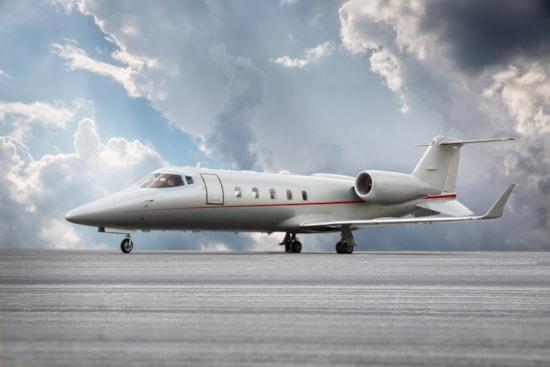
World leaders are constantly traveling across the globe, attending summits, negotiating with other countries, and representing their nations on the world stage. These high-profile individuals have hectic schedules and face unique challenges when it comes to travel. As a result, many of them choose to rely on private jets for their international journeys. But why exactly do world leaders prefer private jets over commercial airlines? In this article, we’ll explore the key reasons behind this trend and how private jets offer a level of convenience, security, and flexibility that is essential for global diplomacy.
The Importance of Security for World Leaders
When it comes to international travel, security is a top priority for world leaders. Heads of state, prime ministers, and other high-ranking officials are often the target of threats, ranging from political extremists to terrorist organizations. Commercial airlines, though generally safe, present security risks that private jets can avoid. With a private jet, world leaders can ensure that their travel routes and schedules remain confidential, reducing the risk of potential threats.
Additionally, private jets offer heightened security measures. The aircraft can be equipped with advanced surveillance systems, secure communication lines, and armored cabins, all of which are designed to protect the passengers onboard. When a world leader flies commercial, they are at the mercy of public security protocols and potential breaches. However, on a private jet, the leader’s security team can have full control over the safety of the aircraft and its passengers.
Another critical aspect of security is the ability to fly with a trusted crew. Private jets often come with experienced pilots and flight attendants who have been specifically trained to handle the unique needs of high-profile passengers. This is in stark contrast to commercial flights, where a leader’s presence on board could compromise the safety and confidentiality of their trip.
Time Efficiency and Flexibility
World leaders operate on tight schedules, with little room for delays or changes. The need for flexibility is crucial, especially when dealing with unforeseen political events, diplomatic crises, or time-sensitive meetings. Private jets offer the ability to adjust flight times, routes, and departure points based on the leader’s needs. If a world leader is attending a summit and needs to leave early or stay longer due to unexpected developments, a private jet can accommodate these changes seamlessly.
Private jets also eliminate the need for long security lines, check-in processes, and baggage claim waits that are common in commercial air travel. This not only saves time but also provides a more comfortable and relaxed travel experience. World leaders can arrive at the airport at the last minute, board their flights quickly, and avoid unnecessary delays. In an era where time is often of the essence, this level of efficiency is a major advantage.
Moreover, private jets can fly directly to smaller, less crowded airports, allowing for quicker departures and arrivals. This avoids the long taxi times at major international hubs, where congestion is common. By flying to more exclusive airports, world leaders can bypass the chaotic atmosphere of busy terminals and reach their destinations faster.
Confidentiality and Diplomatic Sensitivity
Diplomatic missions often involve sensitive negotiations and confidential discussions that cannot be risked in a public setting. Commercial airlines, with their busy terminals and public nature, simply do not provide the level of privacy required for high-level discussions. On a private jet, world leaders can hold meetings in private, away from prying eyes and ears.
The ability to conduct confidential business on a private aircraft is invaluable in international relations. Whether it’s discussing trade deals, military strategies, or security matters, the privacy afforded by private jets ensures that world leaders can focus on the task at hand without worrying about leaks or eavesdropping. In fact, many private jets are equipped with secure communication systems that allow leaders to make encrypted calls, access classified documents, and hold virtual meetings with their teams in complete secrecy.
In addition to the physical privacy of the aircraft itself, private jet companies often go to great lengths to ensure discretion. The staff and crew working on these jets are trained to handle high-profile clients and maintain confidentiality at all times. This level of professionalism ensures that the leader’s privacy and security are never compromised during the flight.
Comfort and Productivity on the Go
International travel can be exhausting, especially when crossing multiple time zones and attending back-to-back meetings. For world leaders, staying rested and focused is essential to effectively carry out their duties. Private jets provide a level of comfort and luxury that is a very uniqueed in commercial aviation.
Inside a private jet, world leaders can relax in spacious cabins equipped with plush seating, personal sleeping quarters, and even conference rooms for meetings. The interior design is often customized to the preferences of the leader, with amenities that ensure a comfortable and relaxing experience. In some cases, private jets even come with private bathrooms, showers, and kitchens, allowing the leader to freshen up and enjoy a meal during the flight.
The comfort of a private jet is not just about luxury; it also has practical benefits. For world leaders, the ability to sleep or rest during a flight can help them stay energized and ready for their next engagement. With the busy schedules they maintain, it’s important to maximize downtime and ensure that they arrive at their destination refreshed and prepared.
Furthermore, private jets offer an environment conducive to productivity. With less noise and distractions compared to commercial flights, world leaders can use their travel time to catch up on work, make important phone calls, or meet with advisors. Many private jets are equipped with onboard Wi-Fi, satellite phones, and other technologies that allow world leaders to stay connected to their teams and continue working while in the air.
Avoiding the Hassles of Commercial Airlines
Commercial air travel, while efficient for most people, can be a logistical nightmare for world leaders. Long lines at check-in counters, crowded security checkpoints, and the risk of delays all add stress and wasted time to an already busy schedule. For high-ranking officials, the inconvenience of commercial airlines is simply unacceptable.
Private jets, on the other hand, provide a streamlined and hassle-free experience. There is no need to deal with the crowds or wait for security screening. World leaders can board their flights without the typical inconveniences associated with air travel. This saves them precious time and reduces the stress associated with flying.
Another major advantage of private jets is the ability to avoid the risks posed by commercial airline delays. Bad weather, technical issues, or air traffic congestion can cause flights to be delayed or canceled. For world leaders, a delay can have serious diplomatic consequences, especially if it results in missing a critical meeting or summit. With a private jet, world leaders have more control over their travel schedules and can minimize the risk of delays.
Strategic Control Over Travel Routes
Flying on a private jet gives world leaders more control over their flight paths and routes. Private jets can often take more direct routes, avoiding congestion in busy airspaces. This provides not only time-saving advantages but also increases efficiency by reducing fuel consumption and carbon emissions.
In some cases, world leaders may need to fly to remote or conflict-prone areas that may not have commercial flight access. Private jets can access smaller airports and fly over areas that are off-limits to commercial airlines. This flexibility is particularly important during times of political unrest or when world leaders are traveling to unstable regions where commercial flights may not be available.
Moreover, the ability to avoid commercial flight routes means that world leaders can avoid potential risks such as airspace restrictions, protests, or other events that could disrupt their travel. With a private jet, world leaders can chart their course with greater precision and ensure that their journeys are not hindered by external factors.
Brand and Prestige
Finally, the use of private jets is not just about practicality and security, it also carries a certain level of prestige. World leaders often rely on private jets as a symbol of their office and status. The decision to fly on a private aircraft is a reflection of the importance of their role and the respect they command on the global stage.
The luxury and exclusivity associated with private jets can also be seen as a way to project power and influence. A world leader arriving at a foreign country on a private jet sends a message of authority and command, signaling that their presence is significant and worthy of attention. For nations that wish to assert their global presence, private jet travel can serve as an important tool for diplomacy and statecraft.
In conclusion, private jets offer world leaders a range of benefits that commercial airlines simply cannot match. From enhanced security and privacy to time efficiency and flexibility, private jets allow leaders to travel the world with the comfort, ease, and control they require. For these high-ranking individuals, private jets are not just a luxury, they are an essential tool for conducting international affairs and fulfilling their duties on the global stage.