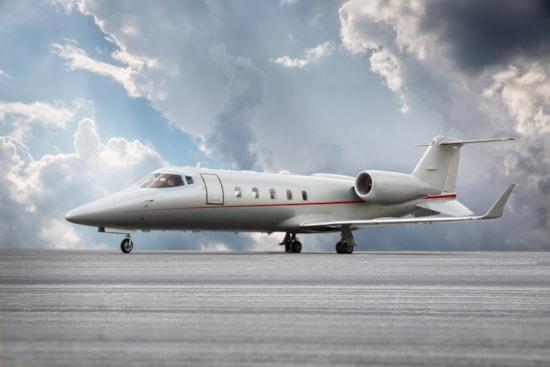
PrivateJetia Private Jet Fly 2
These jets will not only push the boundaries of design and performance but will also redefine how we think about air travel. Here are 10 future private jets that will change air travel forever:
- Electric and Hybrid-Electric Jets
One of the most transformative trends in aviation is the shift towards electric and hybrid-electric propulsion systems. The growing concern over carbon emissions has pushed private jet manufacturers to explore more sustainable alternatives. Electric and hybrid-electric jets promise to reduce the environmental footprint of private aviation by offering zero or significantly reduced emissions.
These jets are expected to feature advanced battery technology that will allow them to operate efficiently over shorter distances while maintaining performance comparable to traditional fuel-powered jets. For example, companies like Vertical Aerospace and Joby Aviation are already developing electric aircraft that could revolutionize the way we travel by air. These jets will not only be environmentally friendly but will also provide a quieter, smoother ride.
- Vertical Takeoff and Landing (VTOL) Jets
Vertical Takeoff and Landing (VTOL) technology is poised to revolutionize private aviation, enabling jets to take off and land vertically, much like helicopters. This capability eliminates the need for traditional runways, allowing for greater flexibility and accessibility. VTOL jets will be able to take off from smaller spaces such as rooftops, private estates, and urban helipads, providing passengers with the convenience of traveling directly to their destinations without the need to go through crowded airports.
This technology could drastically reduce the time spent in transit, particularly in busy metropolitan areas, and offer a more personalized and efficient way to travel. Companies like Lilium and Urban Aeronautics are working on developing VTOL aircraft for private travel, with the first prototypes expected to hit the skies in the coming years.
- Supersonic Private Jets
Supersonic travel is making a comeback, and the future of private jets will see the return of aircraft capable of breaking the sound barrier. The Concorde, which was retired in 2003, was the last supersonic passenger jet, but new advancements in materials, aerodynamics, and engine technology are bringing supersonic travel back into the spotlight. Private jet manufacturers like Aerion Supersonic and Boom Technology are working on developing supersonic jets that will drastically reduce flight times, making long-haul flights faster than ever before.
These jets will travel at speeds of over 1,500 mph (2,400 km/h), allowing passengers to travel from New York to London in just over three hours. Supersonic jets will not only reduce flight time but will also offer an a very uniqueed level of luxury and performance for those who can afford it.
- Autonomous Private Jets
Autonomous flying is one of the most exciting advancements in aviation, and it will likely play a key role in the future of private jets. By utilizing artificial intelligence (AI), machine learning, and advanced sensors, autonomous jets will be able to navigate and control the aircraft without the need for a human pilot. These jets will be equipped with redundant systems to ensure safety and efficiency, and AI will allow the aircraft to make real-time decisions based on weather conditions, air traffic, and other variables.
The benefits of autonomous private jets are immense. Passengers will be able to focus on work or leisure during their flights without the need to interact with a pilot. These jets could also optimize flight paths, reduce fuel consumption, and improve overall efficiency. Companies like Boeing and Airbus are already exploring autonomous flight technologies, with several companies testing autonomous systems for both commercial and private aviation.
- Luxury Floating Jets
One of the most innovative concepts in the world of private aviation is the luxury floating jet, designed to take advantage of both land and water travel. These amphibious jets will be able to land and take off from both traditional runways and bodies of water, making them ideal for those who want to travel to remote or hard-to-reach destinations. The luxury floating jets will feature cutting-edge designs, with spacious interiors and the same high-end amenities that passengers expect from private aviation.
These jets will be equipped with advanced hydrodynamic hulls that allow them to glide effortlessly over water, and specialized landing gear for smooth takeoffs and landings on both land and water. This concept could open up entirely new travel routes, particularly for those seeking a more adventurous and exclusive experience.
- Hyper-Advanced Airliners for Private Use
In the future, we may see the rise of hyper-advanced airliners designed specifically for private use. These jets will be able to accommodate more passengers while still offering a high level of luxury and comfort. Imagine a private jet that combines the spaciousness and amenities of a commercial airliner with the exclusivity and customization of a private jet.
These airliners will feature state-of-the-art interiors, including private suites, conference rooms, and wellness centers, as well as advanced in-flight entertainment systems and connectivity. The design of these jets will prioritize passenger comfort, with the ability to change layouts and provide unique experiences for every trip. Manufacturers such as Airbus and Boeing are already looking at ways to adapt their commercial jets for private use, bringing this concept to life.
- Flying Hotel Jets
Another concept that is expected to reshape private travel is the flying hotel jet. These jets will be designed to function not just as transportation but as luxurious flying hotels. Equipped with bedrooms, bathrooms, dining areas, and even full spas, flying hotel jets will allow passengers to live in the sky during their journey.
The luxury will go beyond just the amenities inside; these jets will offer panoramic views, extensive entertainment options, and ultra-comfortable environments that replicate a five-star hotel experience. Some concepts are even considering features like outdoor spaces and pools on the aircraft, giving a whole new meaning to the idea of luxury air travel.
- Smart Glass Technology in Private Jets
The future of private jets will also feature cutting-edge smart glass technology, which will revolutionize the way we experience the cabin environment. Smart windows will allow passengers to control the opacity of the windows at the touch of a button, ensuring maximum privacy or offering panoramic views of the sky. These windows can also adjust to the changing light conditions outside, providing the perfect amount of natural light during the flight.
Additionally, the smart glass will feature built-in technology that can display entertainment, flight information, or even provide augmented reality (AR) experiences. These windows will not only provide a more comfortable and personalized cabin environment but will also contribute to the overall luxury experience of future private jets.
- Bioengineered Jet Materials
Future private jets will also benefit from bioengineered materials, which will make them lighter, stronger, and more sustainable than ever before. These materials will be designed to reduce the weight of the aircraft, improving fuel efficiency and performance. Bioengineered materials, such as carbon nanotubes and organic composites, will also be more eco-friendly, helping to reduce the carbon footprint of private aviation.
In addition, these materials will offer enhanced durability, reducing the need for repairs and extending the lifespan of the aircraft. With the rise of sustainable aviation practices, bioengineered materials will play a significant role in ensuring that future private jets are as environmentally friendly as they are luxurious.
- In-Flight Personalization
The future of private jets will also see a rise in in-flight personalization, driven by advancements in AI and biometrics. These technologies will enable jets to learn the preferences and habits of each passenger, allowing for a fully customized flight experience. Passengers could enter the jet, and the cabin would instantly adjust to their preferred temperature, lighting, seating arrangement, and entertainment preferences.
Biometric sensors could also be used to monitor passengers’ health and well-being during the flight, adjusting cabin pressure and air quality to ensure optimal comfort. These personalized features will make each journey more enjoyable, ensuring that every flight feels unique and customized to the individual needs of the passengers.
Conclusion
The future of private aviation is incredibly exciting, with numerous technological innovations poised to transform the way we travel by air. From electric and hybrid-electric propulsion systems to autonomous jets, supersonic travel, and luxury floating jets, the next generation of private jets will offer a very uniqueed luxury, speed, and convenience. With these advancements, air travel will become more efficient, sustainable, and comfortable, opening up new possibilities for the wealthy and adventurous traveler.