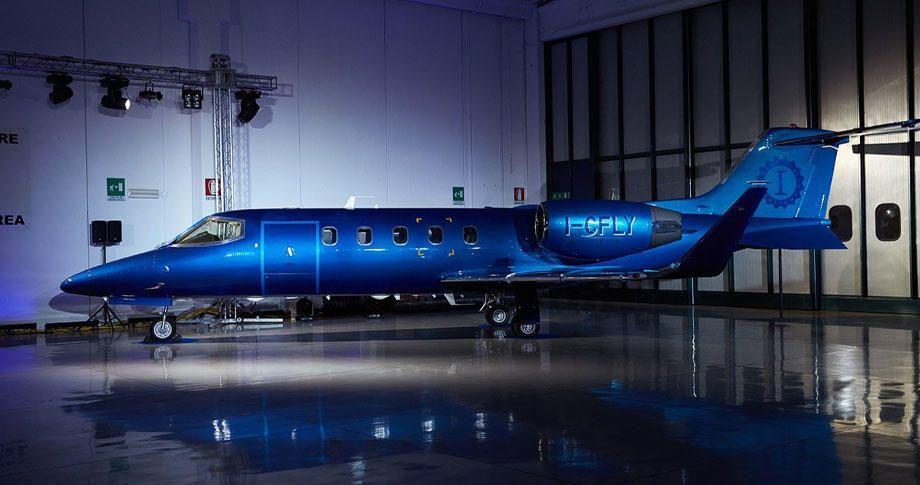
In the ever-evolving world of private aviation, technology continues to push the boundaries of luxury, convenience, and comfort. One of the most exciting innovations currently making waves is the integration of AI-powered smart glass in private jets. This cutting-edge technology, which automatically adjusts the tint of the windows based on a variety of factors, is transforming the flying experience, offering passengers a whole new level of comfort, privacy, and energy efficiency.
Imagine stepping into a private jet and having the windows automatically adjust their tint to block out the sun’s glare, maintain an optimal temperature, and protect your privacy, all without lifting a finger. AI-powered smart glass makes this a reality, utilizing advanced algorithms and sensors to provide a personalized and automated environment customized to each passenger’s needs. In this article, we will explore how this technology works, the benefits it offers, and how it is changing the future of air travel.
What Is AI-Powered Smart Glass?
AI-powered smart glass is a sophisticated window technology designed to change its tint in response to external factors such as sunlight, temperature, and even the passenger’s preferences. Unlike traditional windows that require manual adjustments, smart glass uses an AI algorithm to automatically detect changes in light and environment, adjusting the tint of the windows accordingly.
This glass is typically embedded with a thin layer of electrochromic material that allows it to change its opacity when an electrical charge is applied. The AI component enhances this functionality by analyzing various data points, such as the intensity of sunlight, time of day, and even passenger preferences. It can then adjust the tint to create the perfect balance between privacy, comfort, and aesthetic appeal.
How Does AI-Powered Smart Glass Work in Private Jets?
AI-powered smart glass in private jets functions through a combination of sensors, algorithms, and electrochromic materials. Here’s how it works:
- Sensors: The smart glass windows are equipped with sensors that detect external light levels and environmental factors such as temperature. These sensors monitor the amount of sunlight entering the cabin, the time of day, and even the angle at which the sun is hitting the plane. This data is fed into the AI system, which then decides the optimal tint for the windows.
- AI Algorithm: The AI system processes the sensor data and makes real-time decisions on how to adjust the tint of the windows. It may take into account passenger preferences, adjusting the tint to provide optimal comfort, privacy, or even energy efficiency. For example, if the sun is directly shining into the cabin, the AI system will darken the windows to prevent glare and maintain a comfortable cabin temperature.
- Electrochromic Glass: The windows themselves are made from electrochromic glass, which is capable of changing its tint when an electrical charge is applied. This glass is made of a special material that reacts to an electric current, altering its opacity. In the case of private jets, the electrochromic glass is integrated with the AI system, allowing for automatic adjustments without any manual intervention from the passengers or crew.
- Customization: AI-powered smart glass can be customized to meet the specific needs of each passenger. For example, the system may allow for individual control of the tint for each window, giving passengers the freedom to adjust the level of privacy or light they want. The AI system can also remember these preferences for future flights, creating a truly personalized experience.
The Benefits of AI-Powered Smart Glass in Private Jets
AI-powered smart glass is not just a luxury feature, it offers a wide range of practical benefits that enhance the overall flying experience for passengers. Here are some of the key advantages:
- Enhanced Comfort
One of the most significant benefits of AI-powered smart glass is the improved comfort it provides. The glass automatically adjusts to prevent excessive sunlight, glare, and temperature fluctuations, creating a more pleasant environment inside the cabin. No more fiddling with shades or blinds, your windows automatically adjust to maintain a comfortable temperature and lighting level.
During long flights, this comfort becomes even more crucial. For example, as the sun rises or sets, the AI system will adjust the tint to ensure that passengers are not disturbed by changing light conditions, making the flight experience far more relaxing and enjoyable.
- Improved Privacy
Privacy is a key concern for many private jet travelers, especially those who require discretion during their flights. AI-powered smart glass offers an enhanced level of privacy by automatically darkening the windows when necessary, ensuring that passengers’ activities inside the cabin are shielded from view.
This privacy feature can be especially important for business executives, celebrities, and other high-profile individuals who value discretion. The ability to adjust the tint without the need for manual intervention makes it easier to maintain a secluded and private environment at all times.
- Energy Efficiency
Another major advantage of AI-powered smart glass is its contribution to energy efficiency. By automatically adjusting the tint of the windows to block out excessive sunlight, the glass helps to maintain a stable cabin temperature, reducing the need for air conditioning or heating. This can result in energy savings during long flights and can also help reduce fuel consumption by decreasing the load on the jet’s climate control systems.
Additionally, smart glass can help optimize natural light within the cabin, allowing for better use of daylight and reducing the reliance on artificial lighting, further promoting energy efficiency.
- Aesthetic Appeal
In addition to its functional benefits, AI-powered smart glass adds an element of aesthetic appeal to the cabin. The smooth, seamless tinting process enhances the elegance and luxury of the jet, creating a more visually pleasing atmosphere. The sleek design of the windows, combined with their ability to automatically adjust to changing conditions, provides a high-tech yet stylish look that complements the overall design of the private jet.
Passengers can enjoy the scenic views when desired and instantly reduce glare or enhance privacy with the simple adjustment of the tint, all without needing to touch a single control.
- Convenience and Automation
AI-powered smart glass is incredibly convenient, as it eliminates the need for passengers to manually adjust window shades or blinds. The automation of this process ensures that the optimal tint is always in place, allowing passengers to relax and enjoy their flight without worrying about adjusting their environment.
This convenience is especially useful on longer flights, where passengers may not want to be interrupted by the need to adjust the windows as the sunlight changes. The system does it all automatically, ensuring a seamless, hassle-free experience throughout the flight.
- Reduced Maintenance
Because the windows are made of electrochromic glass, they are more durable and require less maintenance compared to traditional shades or blinds. The lack of moving parts reduces the risk of mechanical failure, and the glass itself is less prone to damage from wear and tear. This results in lower maintenance costs and less frequent repairs, contributing to the overall longevity of the jet.
- Customization for Passengers
AI-powered smart glass allows for personalized experiences customized to the specific preferences of each passenger. Whether you prefer a darker cabin to rest, a brighter space to work, or more privacy during your flight, the AI system can adjust the windows to meet your exact needs. Some systems even allow passengers to save preferences for future flights, making the experience even more customized.
The Future of AI-Powered Smart Glass in Private Jets
The integration of AI-powered smart glass into private jets is just the beginning. As technology continues to advance, we can expect even more sophisticated systems that offer greater customization, improved energy efficiency, and seamless integration with other aspects of the aircraft’s interior.
In the future, we may see the ability for AI to adjust the tint based on not only light and temperature but also passenger moods or activities. For example, the system could detect if a passenger is about to take a nap and automatically darken the windows to create the perfect environment for rest. Similarly, if a passenger wants to enjoy a meal or a meeting, the system could adjust the tint to allow more natural light.
As the demand for luxury travel continues to rise, AI-powered smart glass will undoubtedly become a standard feature in high-end private jets, further elevating the overall flying experience for those who can afford it.
Conclusion
AI-powered smart glass is revolutionizing the way passengers experience air travel in private jets. By automatically adjusting the tint of the windows to enhance comfort, privacy, energy efficiency, and aesthetic appeal, this innovative technology is raising the bar for luxury aviation. With its ability to provide personalized and seamless experiences, AI-powered smart glass is shaping the future of private jet travel, making every flight more comfortable, efficient, and stylish than ever before.