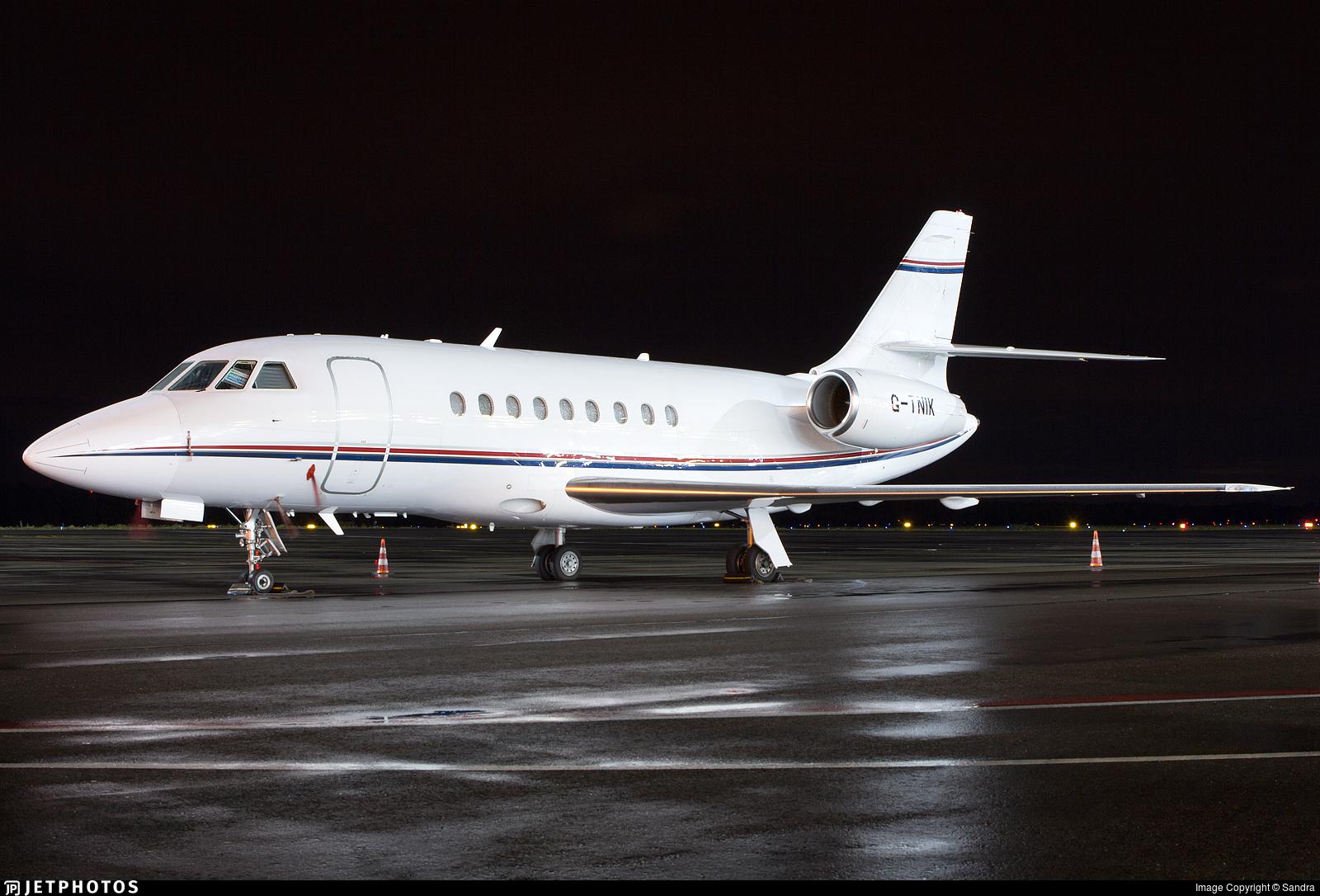
In this article, we will explore how convertible private jets could revolutionize the aviation industry, their potential benefits, and the challenges they must overcome to become a reality. We will also dive into the technological advancements driving this evolution and how they will change the way we think about air travel.
The Vision: What Are Convertible Private Jets?
Convertible private jets are a futuristic class of aircraft designed to transition seamlessly between traditional jet flight and drone-like flight capabilities. These hybrid jets would be capable of operating as a conventional private jet for long-distance flights, and then transforming into a drone-like configuration to offer flexibility for short-distance travel or easier access to remote locations.
The idea behind this design is to provide passengers with a high degree of versatility and adaptability, making it possible to fly in comfort, then transition to a more agile, drone-like mode to avoid congestion or reach areas that may not be accessible to traditional aircraft. These transformations would take place either during the flight or at the point of landing and takeoff, depending on the design and function of the jet.
The Need for Convertible Jets
The demand for more flexible, multi-functional travel options has been growing steadily in recent years. While private jets are ideal for long-distance travel, there are limitations in terms of accessibility and the ability to land in specific locations. Additionally, the modern world is moving toward more sustainable, efficient, and versatile modes of transportation. The emergence of drones, with their ability to land and take off vertically, is already transforming industries ranging from package delivery to aerial photography, and now it is poised to revolutionize aviation as well.
Convertible private jets offer the ability to bypass traditional airport infrastructure and create a hybrid system that can be used for a variety of purposes, such as urban air mobility, emergency services, and even recreational travel. These types of jets could open up new travel routes, eliminate the need for long ground transfers, and provide a more seamless, personalized flying experience.
Technological Advancements Driving the Evolution
To make convertible private jets a reality, several key technological advancements need to take place. These include developments in aerodynamics, energy efficiency, propulsion systems, and AI-driven control mechanisms. Let’s break down some of these factors in detail.
- Hybrid Propulsion Systems:
One of the most significant challenges in creating convertible private jets is developing propulsion systems that allow for both jet flight and drone-like vertical takeoff and landing (VTOL). Traditional jet engines rely on horizontal thrust for long-distance flight, while drone-style aircraft require vertically aligned rotors or other mechanisms for takeoff and landing.
Hybrid propulsion systems, which combine jet engines and electric or hybrid motors capable of operating as both jet engines and vertical lift rotors, are the key to achieving this dual capability. Companies like Joby Aviation and Lilium are already making strides in electric VTOL aircraft, which could eventually serve as a precursor to the technology needed for convertible jets.
- Advanced Materials for Lightweight Construction:
The efficiency of the transformation process relies heavily on the weight of the aircraft. In order for a private jet to switch between flying modes seamlessly, it must be lightweight and structurally flexible. This is where materials like carbon fiber composites and advanced alloys come into play. These materials are already being used in modern aviation to reduce weight and improve fuel efficiency.
Moreover, with the development of ultra-lightweight graphene-based materials, the future of aircraft construction looks even more promising. These materials could allow for the creation of aircraft that are strong enough to withstand the rigors of both jet travel and drone flight while being light enough to maximize fuel efficiency and flight performance.
- AI-Driven Flight Systems:
To safely control a convertible jet, advanced AI and automated flight systems will be essential. Pilots will still play a vital role in monitoring and managing the aircraft during flight, but AI will help optimize the transformation process, assist in navigation, and ensure the safety of passengers during the transition between modes.
AI-driven flight systems will also be capable of real-time adjustments to flight parameters based on weather conditions, terrain, and airspace congestion. This technology can be used to monitor air traffic and provide predictive alerts, allowing the aircraft to avoid collisions, navigate congested airspace, and seamlessly shift between jet and drone modes without compromising safety or performance.
- Battery and Energy Storage Technologies:
For drones and VTOL aircraft to be practical, they need to be powered by efficient, long-lasting battery systems. Current battery technology has limited the range and operational capabilities of electric aircraft. However, advancements in solid-state batteries, hydrogen fuel cells, and hybrid propulsion systems could significantly improve the energy efficiency and range of these aircraft.
In the future, we may see private jets that can rely on a combination of sustainable energy sources such as solar power, hydrogen fuel, and ultra-efficient batteries to power their engines. This would not only reduce the environmental impact of air travel but also allow for longer flights and the ability to quickly recharge or refuel during trips.
Potential Benefits of Convertible Private Jets
Convertible private jets offer a wide range of benefits, making them an attractive option for both passengers and the aviation industry as a whole.
- Increased Flexibility:
The ability to switch between jet and drone modes means that these aircraft can be used in a variety of ways, from long-haul flights to quick trips to remote destinations. This flexibility makes convertible jets ideal for business executives, emergency response teams, and even tourists looking for unique travel experiences.
- Access to Remote Locations:
One of the main limitations of traditional private jets is that they require large airports or runways for takeoff and landing. Convertible private jets could bypass this issue by using their drone-like capabilities to land in smaller, more accessible areas. This would open up previously unreachable locations, such as remote islands, mountain tops, or private estates, providing new opportunities for travel and exploration.
- Faster Travel Times:
The transition to drone mode could help reduce travel times significantly. By using vertical takeoff and landing capabilities, these jets would avoid the need for long taxiing times and allow for direct access to the flight path. Additionally, since these jets could bypass congested airports, passengers would be able to board and disembark with greater speed and ease.
- Environmental Benefits:
With hybrid propulsion systems and advanced materials, convertible private jets could be significantly more energy-efficient than traditional jets. This would help reduce the overall carbon footprint of air travel, making it a more sustainable option for the future. In addition, drone technology could make it easier to adopt electric or hydrogen-powered aircraft, further reducing the environmental impact.
Challenges to Overcome
While the concept of convertible private jets is exciting, there are several challenges that need to be addressed before this technology can become mainstream.
- Regulatory Approval:
The aviation industry is heavily regulated, and any new aircraft design will need to comply with stringent safety and certification requirements. Additionally, the introduction of drones into the airspace could create challenges related to air traffic management, as well as safety concerns regarding passenger and drone interactions.
- Cost and Accessibility:
Developing and manufacturing these advanced aircraft will require significant investment in research and development. While the technology may initially be available only to the ultra-wealthy, it could eventually trickle down to other market segments. However, the high cost of producing and maintaining such aircraft could limit widespread adoption.
- Infrastructure Development:
In order to fully realize the potential of convertible private jets, new infrastructure will be needed. This includes dedicated drone ports or landing pads, as well as airports that can accommodate hybrid aircraft. Additionally, air traffic control systems will need to be adapted to manage the new wave of drone-like aircraft.
Conclusion
The concept of convertible private jets that can switch to drones represents an exciting leap forward in aviation. With advancements in propulsion technology, materials science, AI, and battery storage, these aircraft could offer unprecedented flexibility, efficiency, and accessibility for high-end travelers. While challenges remain, the potential benefits of these versatile jets make them an exciting prospect for the future of air travel.
By combining the best aspects of private jet luxury and drone technology, we are likely to see a new era of travel that emphasizes speed, convenience, and personalization. The skies are changing, and with convertible private jets, the future of air travel is looking more versatile than ever.