PrivateJetia Private Jet Fly 11
When it comes to air travel, the allure of private jets is undeniable. For those who can afford it, private jets offer a very uniqueed luxury, convenience, and flexibility. However, deciding between chartering a private jet and owning one is not always straightforward. Both options have their advantages and drawbacks, and understanding these key differences is essential for making an informed decision. In this article, we will explore the various factors that differentiate chartering a private jet from owning one, including costs, maintenance, flexibility, and more.
1. Initial Costs and Investment
The first significant difference between chartering a private jet and owning one lies in the initial investment.
Chartering a Private Jet
Chartering a private jet offers a far lower initial financial commitment. Instead of purchasing an entire aircraft, you only pay for the flight hours you use. The cost of chartering depends on several factors, including the type of jet, the distance, the duration of the flight, and other variables like airport fees and fuel costs.
This pay-as-you-go model means that individuals who may only need private air travel occasionally can enjoy the benefits of flying privately without the enormous upfront expense of purchasing an aircraft.
Owning a Private Jet
Owning a private jet, on the other hand, requires a significant initial investment. Depending on the size, make, and model of the jet, the cost of purchasing a private jet can range from several million to tens of millions of dollars. This hefty price tag covers the acquisition cost of the jet itself, and can also include customization, safety features, and other luxury upgrades. Additionally, purchasing an aircraft involves legal and regulatory fees, which can add to the total upfront costs.
2. Ongoing Operational and Maintenance Costs
Once the initial purchase or charter is complete, there are ongoing costs associated with maintaining the jet.
Chartering a Private Jet
One of the primary benefits of chartering a private jet is that you are not responsible for its ongoing maintenance. The charter company handles all operational expenses, including maintenance, storage, and crew salaries. For those who fly infrequently or only need private air travel for specific occasions, chartering is more cost-effective, as it eliminates the need for constant financial outlay.
Owning a Private Jet
When you own a private jet, you are responsible for its ongoing operational costs. This includes regular maintenance, repairs, insurance, hangar space, fuel, and the salaries of pilots and crew. Maintenance can be particularly expensive, with inspections and repairs required at regular intervals, depending on the age and model of the aircraft. Additionally, the costs of storing the jet in a hangar can also add up over time. For those who frequently use their jets, these ongoing costs can become substantial.
3. Flexibility and Convenience
Another significant difference between chartering and owning a private jet is the level of flexibility and convenience each option offers.
Chartering a Private Jet
Chartering a private jet provides significant flexibility, as it allows you to choose the aircraft, route, and schedule based on your needs. You can charter a jet for a single trip, for a series of trips, or even for a specific event, such as a corporate retreat or vacation. Charter companies often offer a wide range of aircraft, from small, economical jets to large, luxurious ones, so you can select the best option for your trip.
However, one limitation of chartering is that you may not always get the exact aircraft you want. Availability can vary depending on the time of year, demand, and the charter company’s fleet size. You also have to plan in advance to ensure the jet is available when needed, and last-minute bookings can sometimes be difficult to arrange.
Owning a Private Jet
Owning a private jet provides the ultimate flexibility and convenience. You have full control over the aircraft’s schedule, and you can fly whenever you wish without having to book in advance. Whether it’s a spontaneous weekend getaway or an urgent business trip, owning a private jet gives you the freedom to fly at your own pace.
The downside of owning a jet, however, is that this flexibility comes at a price. The constant availability of your jet means you need to maintain a dedicated team to manage its operations, including the crew, maintenance, and scheduling. Additionally, even if you don’t use the jet frequently, you are still responsible for the costs associated with keeping it in service.
4. Privacy and Exclusivity
One of the main reasons individuals choose private jets is for the a very uniqueed level of privacy and exclusivity they offer.
Chartering a Private Jet
When you charter a private jet, you are assured of a high level of privacy during your flight. However, there may still be some concerns, as chartered jets are often shared by other passengers if they are not specifically reserved for your use. This can be particularly important for business travelers or those who prioritize discretion. Additionally, the flight experience can vary depending on the charter company and the specific aircraft.
Owning a Private Jet
Owning a private jet provides the highest level of privacy and exclusivity. You are the sole occupant of the jet, and there is no risk of sharing the space with strangers. The privacy and comfort of owning your own jet are ideal for high-profile individuals, corporate executives, or anyone who wants complete control over their flying experience.
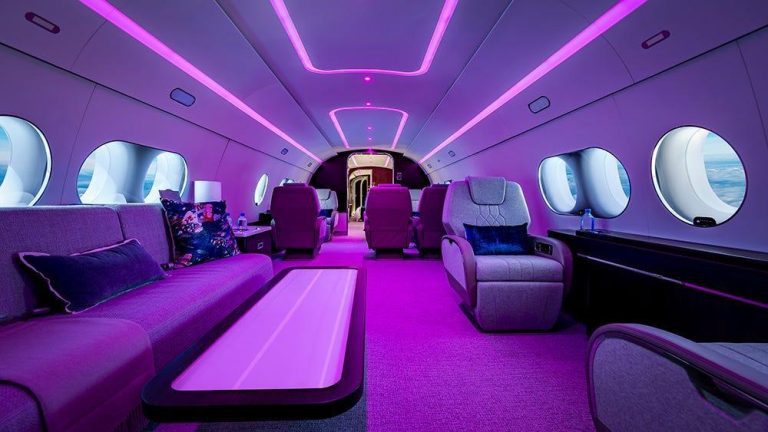
Moreover, owning a jet allows you to customize the interior to your exact preferences, whether that includes luxurious seating, entertainment systems, or even private sleeping quarters. This level of personalization further enhances the exclusive experience of flying privately.
5. Long-Term Value and Depreciation
When considering whether to charter or own a private jet, it’s important to factor in the long-term value and depreciation of the aircraft.
Chartering a Private Jet
Chartering a private jet does not involve the risk of depreciation, as you are not purchasing an asset. You pay for the service of flying, but you don’t have to worry about the value of the jet decreasing over time. This makes chartering a more attractive option for those who only need private jet services on occasion and do not want to worry about the long-term financial commitment of ownership.
Owning a Private Jet
Owning a private jet comes with the responsibility of dealing with depreciation. Like all vehicles, jets lose value over time, and the rate of depreciation can be significant. However, some jet owners offset this depreciation by selling their jets after several years of use or by placing the jet in a charter program to generate revenue. This can help mitigate the financial impact of owning an aircraft, but it still represents a risk that chartering does not carry.
6. Time Commitment
The time commitment involved in chartering or owning a private jet is another important consideration.
Chartering a Private Jet
Chartering a private jet is a relatively low time commitment. You simply need to book your flight, show up at the airport, and board the jet. The charter company handles all other logistics, including flight planning, maintenance, and crew scheduling. This makes chartering an attractive option for those with busy schedules who need a hassle-free experience.
Owning a Private Jet
Owning a private jet requires a significant time commitment. In addition to managing the logistics of flight scheduling, owners must ensure that their aircraft is properly maintained, crewed, and ready for use. For individuals who frequently travel or run a business that requires regular flights, this can be a manageable responsibility. However, for those who fly less often, the time and effort required to oversee jet operations may outweigh the benefits of ownership.
7. Tax Implications
Finally, there are tax implications to consider when deciding between chartering and owning a private jet.
Chartering a Private Jet
Chartering a private jet typically does not have the same tax implications as owning one. Since you are paying for the service rather than the asset itself, there are no concerns regarding property taxes, depreciation deductions, or other ownership-related taxes. However, depending on the region and the nature of the flight, certain taxes, like fuel taxes or airport fees, may apply.
Owning a Private Jet
Owning a private jet can have significant tax implications. While jet owners may be able to deduct certain expenses related to the operation and maintenance of their jet, the complexities of tax laws can make it difficult to fully understand the deductions and credits available. It’s essential for jet owners to consult with tax professionals to navigate the legal requirements and ensure they are maximizing their tax benefits.
Conclusion: Chartering vs. Owning – What’s Best for You?
Both chartering and owning a private jet offer unique advantages, and the decision ultimately depends on your personal needs, travel frequency, and budget.
If you fly occasionally or only need private jet services for special events, chartering a jet is likely the more cost-effective option. It offers flexibility, privacy, and convenience without the burden of ownership costs.
On the other hand, if you travel frequently and have the financial resources to support the ongoing costs of ownership, owning a private jet provides unmatched control, luxury, and exclusivity.
Ultimately, the decision comes down to your specific circumstances and preferences. By weighing the key differences outlined in this article, you can make an informed choice that best suits your lifestyle and travel needs.