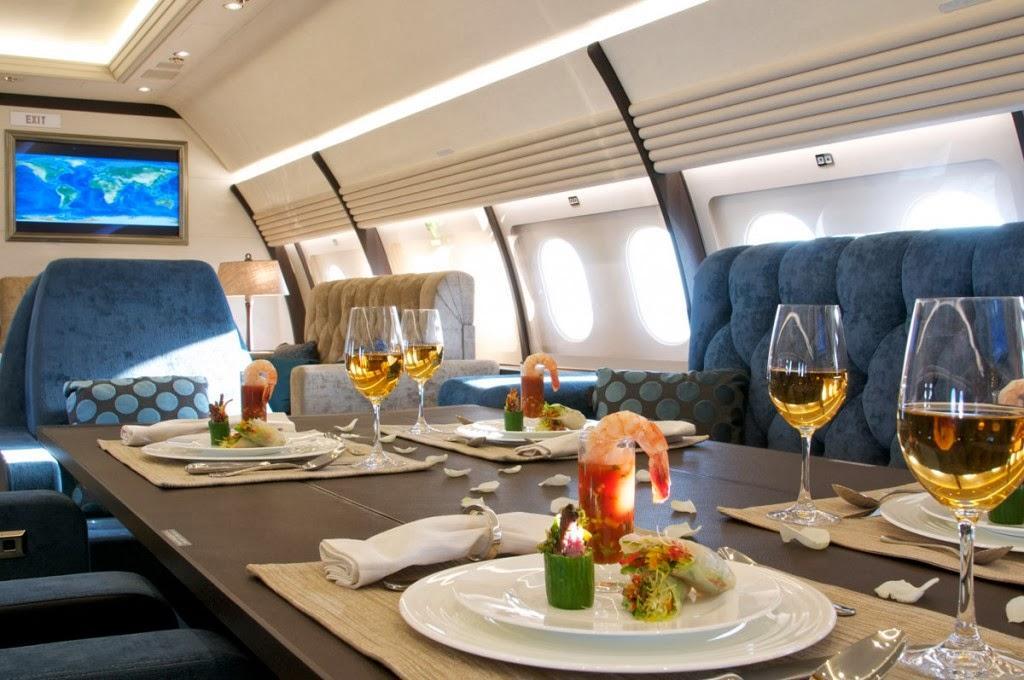
When it comes to air travel, both private jets and first-class commercial flights offer an elite level of comfort and luxury. However, choosing between the two options is not always straightforward, especially when it comes to understanding the cost implications. Private jets offer an unmatched level of exclusivity and convenience, while first class provides an upgraded, more comfortable experience within a commercial airline. But which option is right for you in terms of cost, comfort, and convenience?
In this article, we will compare flying private with first class across several key factors: cost, experience, benefits, and flexibility. We’ll dive deep into the pricing structures of both options and help you understand the pros and cons of each, so you can make an informed decision on your next flight.
1. Understanding Private Jet Costs
Flying private is the summery of luxury, but it comes with a hefty price tag. Unlike first class, where you’re part of a large airline operation, private jets are entirely personal and offer a much more exclusive experience. Let’s break down the costs associated with flying private:
A. Upfront Costs of Owning a Private Jet
While many people opt to charter private jets for individual flights, some individuals and companies decide to own a jet for their convenience. The upfront costs of purchasing a private jet can vary depending on the model, size, and age of the aircraft.
- Small Jets: Typically priced between $3 million to $8 million.
- Mid-Size Jets: Between $8 million to $15 million.
- Heavy Jets: Can range from $15 million to $75 million or more.
- Luxury and Specialized Jets: Jets that are heavily customized or rare can exceed $75 million.
B. Ongoing Costs of Private Jet Ownership
Once you own a jet, there are ongoing costs for maintenance, staffing, insurance, and other operational expenses. These costs can be broken down into:
- Crew Salaries: Private jet owners typically employ pilots and flight attendants. The cost for a pilot ranges from $100,000 to $300,000 per year.
- Fuel Costs: Depending on the jet size, fuel can cost anywhere from $3,000 to $10,000 per hour of flight.
- Maintenance: Routine maintenance and unexpected repairs can cost between $200,000 to $500,000 per year.
- Hangar Fees: Storing a private jet in a hangar can cost anywhere from $20,000 to $100,000 per year.
- Insurance: The cost of insuring a private jet can vary widely but typically ranges from $20,000 to $100,000 annually.
C. Chartering Costs for Private Jets
Not everyone is interested in owning a private jet, but chartering a jet is an excellent alternative. Charter costs vary depending on the size of the jet and the duration of the flight.
- Light Jets: These small jets typically cost around $2,000 to $5,000 per flight hour.
- Mid-Size Jets: Flights on mid-size jets usually range from $4,000 to $8,000 per hour.
- Heavy Jets: Large jets, especially those equipped with luxury amenities, can cost anywhere from $8,000 to $15,000 per flight hour.
2. The Cost of First-Class Air Travel
Flying first class offers an elevated experience compared to economy class, but it still operates within the confines of a commercial airline. Let’s look at the typical costs of flying first class:
A. Price Range for First-Class Tickets
The cost of first-class tickets can vary widely based on the airline, flight duration, and class of service. On average, you can expect the following costs:
- Domestic Flights: First-class tickets for short domestic flights can cost between $500 to $1,500.
- International Flights: First-class tickets for international flights can range from $5,000 to $25,000 or more, depending on the distance and the airline.
- Luxury Routes: For ultra-luxurious airlines (such as Emirates, Singapore Airlines, or Qatar Airways), first-class tickets can reach up to $50,000 on long-haul routes.
B. Amenities and Benefits of First Class
While first-class seats are much more expensive than economy class, they come with a variety of benefits, including:
- Priority Check-In and Security: First-class passengers can bypass long lines with priority check-in and security procedures.
- Exclusive Lounges: Access to luxurious lounges with premium services such as dining, showers, and relaxation areas.
- Spacious Seating: First-class cabins feature larger seats, more legroom, and the ability to lie flat for sleeping on long-haul flights.
- Gourmet Meals: Passengers enjoy fine dining and premium beverages served during the flight.
- Personalized Service: First-class passengers are treated to a high level of personalized service from flight attendants.
3. Experience Comparison: Flying Private vs. First Class
Now that we’ve explored the costs of both options, let’s compare the experiences you’ll have when flying privately versus in first class:
A. Privacy and Space
- Private Jets: Flying private means you have complete privacy. The cabin is yours alone (unless you choose to fly with others). You can conduct business, have private meetings, or simply relax without any interruptions.
- First Class: While first class offers more space and privacy compared to economy, you are still sharing the flight with other passengers. In-flight services and amenities are excellent, but privacy is limited to your seat area.
B. Travel Flexibility and Convenience
- Private Jets: One of the biggest advantages of flying private is the flexibility. You can depart at the time of your choosing and land at smaller, less crowded airports that may be closer to your destination. This means reduced wait times and often faster airport procedures.
- First Class: First-class travelers still need to adhere to airline schedules and airport procedures, though they receive priority services such as expedited check-in and boarding.
C. Time Efficiency
- Private Jets: Private jet owners and charter passengers benefit from significantly reduced wait times at airports. You can avoid the hassle of long security lines, and private jet terminals (FBOs) are typically much faster and more efficient than commercial terminals.
- First Class: While first-class passengers enjoy priority boarding and expedited security, they are still subject to the same overall airport procedures as other commercial travelers. This can lead to longer wait times, especially during peak hours.
4. Which Option is Better for You?
The decision between flying private or in first class depends on several factors, such as your budget, how often you travel, and what kind of experience you’re looking for.
Fly Private If:
- You value complete privacy and control over your flight schedule.
- You are a frequent traveler and want to avoid crowded airports.
- You are willing to pay significantly higher costs for luxury, convenience, and personalization.
Fly First Class If:
- You prefer a more affordable option than private jet travel but still want a premium experience.
- You are looking for comfort, priority services, and extra amenities on long-haul flights.
- You don’t travel frequently enough to justify the high cost of private jet ownership or chartering.
5. Conclusion
In the battle of flying private vs. first class, there is no one-size-fits-all answer. Private jets offer ultimate flexibility, privacy, and luxury, but they come with steep costs. First-class commercial flights, on the other hand, provide an elevated experience but are still subject to the constraints of commercial air travel. Ultimately, your decision depends on your personal preferences, travel frequency, and budget.
For those who value flexibility, privacy, and exclusive service, private jets may be the way to go. For travelers who want a luxurious experience without the sky-high costs of private aviation, first class offers a fantastic alternative that still delivers exceptional service and comfort.