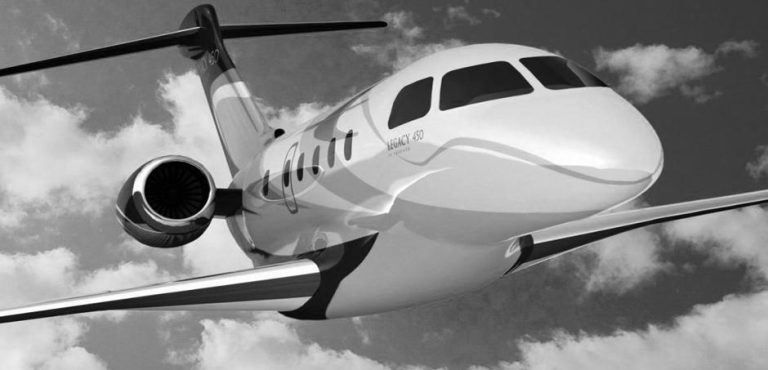
Private Jet PrivateJetia 034
The future of aviation is poised to undergo a dramatic transformation with the advent of autonomous technology. Just as autonomous vehicles are starting to revolutionize the automobile industry, autonomous private jets are on the horizon, promising to reshape how we travel in the skies. The prospect of self-piloting aircraft offers immense potential, from increased safety and efficiency to a more personalized and luxurious flying experience. In this article, we will explore the exciting future of autonomous private jets, delving into the technology behind them, the benefits they offer, the challenges they face, and what the aviation industry might look like in the coming years.
The Rise of Autonomous Technology in Aviation
Autonomous technology is already making waves in various industries, including automotive, agriculture, and robotics. In aviation, the concept of autonomous flight has been explored for decades, but recent advancements in artificial intelligence (AI), machine learning, and sensor technology have brought the dream of fully autonomous aircraft closer to reality. While the commercial airline industry has focused on automating flight systems to assist pilots, the private jet sector is exploring how these innovations can be applied to create completely autonomous planes that require minimal human intervention.
An autonomous private jet would use a combination of sophisticated sensors, cameras, GPS, radar, and AI algorithms to navigate the skies, avoid obstacles, and ensure a smooth flight. The aircraft would be capable of taking off, flying, and landing without the need for human pilots, although backup systems and human oversight would still play a role in the early stages of deployment. Autonomous jets could be equipped with advanced autopilot systems that handle all aspects of flight, from route planning to in-flight adjustments, making the flying experience more seamless, efficient, and safe.
Benefits of Autonomous Private Jets
The potential benefits of autonomous private jets are vast and far-reaching. From cost savings to enhanced safety and convenience, the introduction of autonomous aircraft could revolutionize private aviation in ways we’ve never imagined.
1. Cost Savings and Efficiency
One of the most significant advantages of autonomous private jets is the potential for cost savings. Currently, operating a private jet involves high expenses, including the cost of hiring pilots, maintaining aircraft, and adhering to regulatory requirements. With autonomous jets, the need for a human pilot could be eliminated, reducing labor costs and the associated expenses of training, salaries, and benefits. This could also lead to reductions in operational costs, such as fuel consumption, as autonomous jets could optimize flight routes in real-time, resulting in shorter flight times and more efficient fuel usage.
Furthermore, autonomous jets could be equipped with AI-driven systems that analyze a variety of factors, such as weather conditions, air traffic, and fuel availability, to dynamically adjust flight plans for maximum efficiency. This level of optimization could lead to significant savings for private jet owners, making the luxury of private air travel more accessible to a wider range of individuals and businesses.
2. Enhanced Safety
Safety is always a top priority in aviation, and autonomous private jets could offer significant improvements in this area. Autonomous technology has the potential to reduce human error, which is one of the leading causes of aviation accidents. By relying on advanced AI systems, autonomous jets can be programmed to follow strict safety protocols and make decisions based on real-time data, ensuring the safest possible flight path.
For example, autonomous jets can be equipped with advanced collision-avoidance systems that use sensors, radar, and machine learning algorithms to detect and avoid obstacles in the flight path, including other aircraft, birds, and even weather-related hazards. Additionally, AI-driven systems can analyze vast amounts of data, including weather patterns and air traffic, to make more accurate decisions regarding the flight path, minimizing the risk of accidents caused by unforeseen circumstances.
Moreover, autonomous jets could be designed with redundant systems that ensure the aircraft remains safe in the event of a failure. These systems would work together to monitor the aircraft’s status, detect potential issues, and automatically adjust flight parameters to maintain safety.
3. Personalized and Luxurious Experience
One of the hallmarks of private jet travel is the ability to enjoy a personalized and luxurious flying experience. Autonomous private jets could take this experience to new heights by offering even greater levels of customization and convenience. With AI-powered systems, passengers could have more control over every aspect of their flight, from cabin temperature and lighting to entertainment options and meal preferences.
Autonomous jets could also allow for more flexible flight schedules, as the AI systems could dynamically adjust departure times, routes, and altitudes based on real-time factors. This level of flexibility would make private jet travel even more convenient, as passengers would have the ability to dictate their schedules with greater ease.
Additionally, autonomous aircraft could offer more seamless connectivity, with in-flight entertainment and business tools powered by advanced technology. With faster internet connections, high-definition displays, and interactive interfaces, passengers could stay productive or entertained throughout the flight, further enhancing the luxury experience.
4. Environmental Sustainability
The aviation industry has faced increasing pressure to reduce its environmental impact, and autonomous private jets could contribute to this effort. AI-driven systems could optimize flight paths and altitude adjustments to minimize fuel consumption, reducing the carbon footprint of each flight. Additionally, autonomous jets could be designed with more efficient engines and lightweight materials, further lowering their environmental impact.
As electric propulsion technology continues to advance, it’s possible that we may see the development of fully electric autonomous private jets in the future, significantly reducing emissions and reliance on fossil fuels. This would not only benefit the environment but also align with the growing demand for sustainable travel options.
Key Technologies Behind Autonomous Private Jets
The development of autonomous private jets is made possible by several advanced technologies that work together to enable safe, efficient, and reliable flight operations. These technologies include AI, machine learning, sensors, navigation systems, and communication systems.
1. Artificial Intelligence and Machine Learning
At the core of autonomous private jets is artificial intelligence (AI) and machine learning (ML). These technologies allow the aircraft to analyze vast amounts of data, make decisions in real-time, and continuously improve flight operations based on experience. AI algorithms can be used to control the aircraft’s flight path, optimize fuel consumption, detect potential hazards, and ensure compliance with aviation regulations.
Machine learning enables the aircraft to adapt to changing conditions and improve its performance over time. For example, an autonomous jet could learn how to optimize its flight routes based on historical data, air traffic patterns, and weather conditions. As the AI system gathers more data, it becomes more capable of making informed decisions, improving safety and efficiency.
2. Sensors and Cameras
Autonomous jets rely on a variety of sensors and cameras to perceive their surroundings and make decisions in real-time. These sensors include radar, LiDAR (Light Detection and Ranging), infrared sensors, and cameras, which work together to provide a comprehensive view of the aircraft’s environment. These sensors help the aircraft detect obstacles, other aircraft, weather conditions, and even runway surfaces during takeoff and landing.
By combining data from these sensors, the AI system can create a 360-degree view of the environment, enabling the autonomous jet to make decisions about speed, altitude, and flight path based on real-time conditions. This ensures that the aircraft can avoid collisions, navigate through complex airspace, and land safely, even in adverse weather conditions.
3. Navigation Systems
The navigation systems used in autonomous private jets are far more advanced than the systems found in traditional aircraft. These systems rely on a combination of GPS, satellite communication, and real-time data to determine the aircraft’s position and flight path. AI-powered systems can analyze this data to make precise adjustments to the flight path, ensuring that the aircraft stays on course and avoids obstacles.
Furthermore, autonomous jets can be equipped with advanced flight management systems that constantly monitor the aircraft’s performance and make adjustments to optimize fuel efficiency and reduce flight time. These systems can also communicate with air traffic control and other aircraft, ensuring seamless coordination and safety in busy airspace.
4. Communication Systems
Reliable communication systems are essential for autonomous private jets to function safely and efficiently. These systems enable the aircraft to communicate with air traffic control, other aircraft, and ground operations. In an autonomous jet, communication systems would be integrated with AI and navigation systems to ensure that the aircraft can adjust its flight path based on real-time data, such as changes in weather or air traffic.
Additionally, communication systems would allow the aircraft to send data back to ground-based operations, enabling remote monitoring and support. While autonomous jets would be capable of handling flight operations independently, having a human backup on the ground could provide an added layer of safety and oversight in the early stages of autonomous jet deployment.
Challenges and Considerations for Autonomous Private Jets
While the potential benefits of autonomous private jets are clear, there are several challenges and considerations that must be addressed before they become a reality. These challenges include regulatory hurdles, technological limitations, public perception, and the need for robust safety protocols.
1. Regulatory Hurdles
One of the biggest challenges facing the development of autonomous private jets is the regulatory landscape. Aviation regulations are designed to ensure the safety of both passengers and crew, and any new technology must comply with these regulations. In the case of autonomous jets, regulators must determine how to integrate self-piloting aircraft into existing air traffic control systems and ensure that they meet safety standards.
Governments and aviation authorities will need to collaborate with aircraft manufacturers and technology providers to develop new regulations for autonomous flight. This may involve testing and certifying autonomous jets, developing new air traffic management systems, and establishing guidelines for the operation of autonomous aircraft in various conditions.
2. Technological Limitations
While the technology behind autonomous aircraft is advancing rapidly, there are still technological limitations that need to be overcome. For example, while sensors and AI systems can detect most obstacles, they may still struggle to handle complex scenarios, such as sudden changes in weather or unexpected traffic in congested airspace. Additionally, current autonomous systems may not yet be able to handle all aspects of flight, such as emergency situations or complex airspace coordination.
As technology continues to improve, these limitations will likely be addressed, but it may take time before autonomous jets are capable of handling all flight scenarios with the same level of reliability and safety as human pilots.
3. Public Perception
Another challenge for autonomous private jets is public perception. Many people are still hesitant about the idea of flying in an aircraft without a human pilot. Overcoming this skepticism will require extensive education and demonstration of the safety and reliability of autonomous flight systems. As more successful autonomous flights take place and the technology matures, public confidence is likely to grow.
4. Cybersecurity Concerns
As with any advanced technology, cybersecurity is a critical consideration for autonomous private jets. Autonomous aircraft rely on complex systems that are connected to the internet and other networks, making them vulnerable to cyberattacks. Ensuring the security of autonomous jets will require robust encryption, secure communication channels, and continuous monitoring to protect the aircraft from hacking or other malicious activities.
Conclusion
The future of autonomous private jets is bright, with the potential to revolutionize the way we travel in the skies. From cost savings and increased safety to enhanced luxury and environmental sustainability, autonomous jets promise to offer a range of benefits for both passengers and operators. While there are still challenges to overcome, including regulatory hurdles and technological limitations, the continued advancement of AI, sensors, and navigation systems will bring us closer to a future where self-piloting aircraft are the norm in private aviation.
As the technology evolves and public perception shifts, autonomous private jets could become a common sight in the skies, offering a new level of convenience, safety, and personalization for travelers. The aviation industry is on the brink of an exciting transformation, and autonomous private jets will undoubtedly play a key role in shaping the future of air travel.