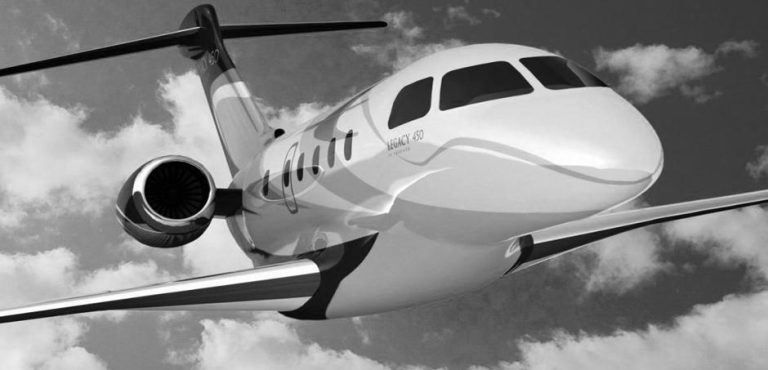
Private Jet PrivateJetia 034
The aviation industry has always been at the forefront of technological innovation, and in recent years, artificial intelligence (AI) has emerged as one of the most transformative forces in jet travel. AI is revolutionizing nearly every aspect of the aviation experience, from improving flight safety and operational efficiency to enhancing the overall passenger journey. Whether it’s optimizing flight schedules, personalizing in-flight services, or predicting maintenance needs, AI is making air travel smarter, safer, and more efficient than ever before.
In this article, we will explore how artificial intelligence is shaping jet travel across various domains, how it is being integrated into current aviation practices, and what the future holds for AI in the skies.
1. AI in Flight Operations
One of the primary areas where AI is transforming jet travel is in flight operations. AI-driven systems are helping airlines and airports optimize various aspects of flight scheduling, air traffic management, and overall operational efficiency. These AI applications are not only improving the bottom line for airlines but also contributing to a smoother and more seamless travel experience for passengers.
Flight Optimization
AI is being used to optimize flight routes and air traffic management. Traditional flight route planning relies heavily on human expertise and historical data, but with AI, airlines can dynamically adjust flight paths in real-time based on changing weather conditions, air traffic, and other factors. Machine learning algorithms can predict the most efficient flight routes, saving both time and fuel, and reducing the environmental impact of air travel.
For example, AI-powered systems can analyze weather patterns and adjust flight paths accordingly, preventing delays caused by adverse conditions. This is especially important for reducing fuel consumption and minimizing the carbon footprint of flights. Additionally, AI allows for more precise flight scheduling, reducing delays and improving on-time performance.
Predictive Maintenance
AI is also playing a crucial role in aircraft maintenance. Traditionally, airlines would rely on scheduled maintenance checks, but with AI, predictive maintenance is becoming the norm. AI-powered systems can monitor an aircraft’s health in real-time, collecting data from various sensors and systems onboard the aircraft. By analyzing this data, AI can predict potential mechanical failures before they occur, allowing maintenance crews to address issues proactively, reducing downtime and ensuring the aircraft is always in top condition.
This predictive maintenance approach not only enhances safety but also reduces the need for costly emergency repairs. Airlines can perform targeted maintenance on specific components, minimizing disruptions to flight schedules. Additionally, AI can help identify and optimize maintenance schedules based on the actual wear and tear of different parts, leading to cost savings for airlines.
2. AI in Passenger Experience
AI is also reshaping the passenger experience in jet travel. From personalized in-flight entertainment to automated check-ins, AI is enhancing how passengers interact with airlines and airports. The goal is to provide a more efficient, personalized, and enjoyable travel experience.
Personalized Services
One of the key ways AI is transforming passenger experience is through personalization. AI systems are capable of collecting and analyzing large amounts of data from passengers, including their preferences, past travel history, and in-flight behavior. This data allows airlines to offer customized services that cater to each passenger’s individual needs and preferences.
For instance, AI can recommend personalized in-flight entertainment options based on a passenger’s previous choices. Similarly, passengers could receive customized meal and beverage options based on dietary preferences, past orders, or special requests. AI can also assist in offering personalized seating arrangements, adjusting cabin temperature, and even providing real-time flight updates.
Additionally, AI-powered chatbots are becoming common tools for customer service, enabling passengers to book flights, request information, or even resolve complaints in real-time, 24/7. These bots can answer a wide range of inquiries, from booking a seat to checking the status of a flight, making the travel experience more seamless and less stressful.
Facial Recognition and Biometric Authentication
Security at airports is often cited as one of the most time-consuming and frustrating aspects of air travel. However, AI-powered biometric authentication systems are helping streamline this process. Facial recognition technology, in particular, is being increasingly used to expedite passenger check-ins, security screenings, and boarding procedures.
AI-driven facial recognition systems can quickly verify a passenger’s identity without the need for manual document checks, allowing them to move through airport processes faster. This technology not only saves time but also enhances security by reducing the risk of human error. Additionally, biometric systems can be integrated with other AI tools, such as baggage tracking, to ensure a more efficient and secure airport experience.
Virtual Assistants and Concierge Services
AI-powered virtual assistants are also being utilized to enhance the in-flight experience. These virtual assistants can respond to passenger requests in real-time, providing everything from information about flight status to recommendations for in-flight entertainment. Some airlines are even experimenting with AI-powered concierge services that can help passengers with special needs or requests, such as reserving a private cabin or arranging for a luxury meal service.
These virtual assistants can also help with post-flight needs, such as helping passengers navigate through airports and directing them to baggage claim areas or other services. The integration of AI into these services provides an enhanced level of convenience for travelers, ultimately leading to a more enjoyable and stress-free flying experience.
3. AI in Air Traffic Control and Safety
AI is also being used to improve safety and efficiency within the air traffic control (ATC) system. With the increasing volume of air traffic worldwide, managing the flow of aircraft can be a daunting task for air traffic controllers. AI is helping to alleviate some of this pressure by providing automated systems that improve situational awareness and decision-making.
AI-Driven Air Traffic Management
AI-driven systems are being developed to assist air traffic controllers in managing the growing number of flights. These systems can predict air traffic patterns and help controllers make more informed decisions about flight routing and timing. By analyzing historical data, weather conditions, and live flight information, AI can generate optimal flight schedules and detect potential conflicts before they arise.
For example, AI can identify areas of congestion in airspace and suggest alternative routes to avoid delays. This reduces the risk of flight delays caused by air traffic bottlenecks, improving the efficiency of air travel. Additionally, AI can assist in managing air traffic at airports, ensuring that planes are able to take off and land without unnecessary delays.
Enhanced Safety Features
AI is also improving aviation safety by helping to detect potential safety risks in real-time. For example, AI can be used to monitor aircraft systems for anomalies and alert flight crews to potential issues before they become critical. AI systems can also analyze data from previous flights to identify trends or patterns that might indicate a safety risk.
Furthermore, AI can be integrated with other safety systems, such as collision avoidance and terrain awareness, to provide an additional layer of protection for flights. By constantly analyzing data and making real-time adjustments, AI can help prevent accidents and improve overall flight safety.
4. The Future of AI in Jet Travel
Looking ahead, the role of AI in jet travel is expected to expand significantly. With ongoing advancements in machine learning, automation, and data analytics, AI will continue to revolutionize the aviation industry and reshape the way we travel by air. Here are some of the key trends to watch for:
Autonomous Aircraft
One of the most exciting possibilities for AI in jet travel is the development of autonomous aircraft. While fully autonomous commercial aircraft are still several years away, AI is already being integrated into cockpit systems to assist pilots with tasks such as navigation, flight planning, and system monitoring. In the future, AI-powered systems could take over certain aspects of flight control, reducing the need for human intervention.
Autonomous aircraft have the potential to significantly improve flight safety, reduce operational costs, and make air travel more efficient. They could also help alleviate the shortage of pilots, which is expected to become a significant challenge in the coming years as demand for air travel increases.
AI-Enhanced Airports
As AI continues to develop, we can also expect to see smarter airports. AI-powered systems will enable airports to automate and streamline check-in, security screening, baggage handling, and boarding processes, improving efficiency and reducing wait times for passengers. Additionally, AI can help airports optimize their operations by predicting crowd flow and adjusting staffing levels accordingly.
AI could also play a role in optimizing airport infrastructure, such as improving baggage claim areas, enhancing security measures, and managing airport resources more effectively. Smart airports powered by AI will provide a more seamless and enjoyable travel experience for passengers while increasing operational efficiency for airports.
Sustainable Air Travel
AI will also play a crucial role in the future of sustainable air travel. By optimizing flight routes, reducing fuel consumption, and improving aircraft efficiency, AI can help reduce the environmental impact of air travel. Additionally, AI can assist in the development of new, more sustainable aircraft technologies, such as electric planes or hydrogen-powered jets, helping to reduce the carbon footprint of the aviation industry.
5. Conclusion
Artificial intelligence is undoubtedly reshaping the world of jet travel. From enhancing flight operations to improving passenger experiences, AI is playing a pivotal role in making air travel smarter, safer, and more efficient. As technology continues to advance, AI’s role in aviation will only become more pronounced, offering new opportunities for innovation and growth in the industry. Whether through autonomous aircraft, AI-powered airports, or predictive maintenance systems, AI is poised to redefine how we travel by air in the future. With its ability to optimize flight operations, enhance safety, and personalize the travel experience, artificial intelligence is truly transforming the way we fly.