PrivateJetia Private Jet Fly 58 scaled
Private jet travel is synonymous with luxury, comfort, and exclusivity. For passengers who choose private jets, confidentiality and discretion are of utmost importance. Whether they are high-net-worth individuals, celebrities, or business executives, private jet passengers expect a level of privacy that goes beyond what is offered on commercial flights. One of the key elements that ensure this privacy is the jet crew. The flight crew, including pilots, flight attendants, and ground staff, are trained to uphold the highest standards of confidentiality and to ensure that every passenger’s privacy is maintained throughout their journey.
In this article, we will explore how jet crew ensures maximum passenger privacy, from pre-flight preparations to in-flight operations and post-flight procedures. We’ll discuss the various privacy protocols in place, the roles of different crew members, and the technology and systems that help protect sensitive information.
The Importance of Passenger Privacy on Private Jets
Before diving into the specifics of how privacy is maintained, it’s important to understand why privacy is such a critical component of private jet travel. For many passengers, flying on a private jet is an opportunity to escape the public eye. Whether they are conducting business negotiations, making confidential phone calls, or simply seeking solitude, privacy is essential to their comfort and well-being.
Additionally, high-profile passengers often travel with sensitive information or personal matters that require the utmost discretion. For example, business executives may be discussing mergers, acquisitions, or other confidential matters, while celebrities may want to avoid unwanted attention from paparazzi or the public. The jet crew plays a significant role in ensuring that these needs are met by providing a safe and secure environment.
Pre-Flight Privacy Protocols
Privacy begins even before passengers board the aircraft. The jet crew ensures that all aspects of the flight are organized in a way that minimizes the risk of privacy breaches. Here are some of the pre-flight steps taken to ensure passenger privacy:
- Confidentiality Agreements
All jet crew members, including pilots, flight attendants, and ground staff, are often required to sign confidentiality agreements before working with clients. These agreements outline the legal and ethical obligations of the crew to protect passenger privacy. The crew is bound by strict confidentiality rules that prevent them from disclosing any information about the passengers or the flight. - Passenger Screening and Flight Details
Private jet operators take great care in screening passengers before the flight. This screening is not only for security reasons but also to ensure that any sensitive information remains private. The details of the flight, including the passenger list, destination, and purpose of travel, are typically shared only with those who need to know. The crew is trained to handle this information discreetly and to limit the exposure of passenger details. - Tailored Service Plans
Before the flight, the crew may receive specific instructions on how to manage passenger interactions and tailor the in-flight experience. This includes information about the passengers’ preferences, special requests, and any additional measures required to maintain privacy. For example, if a passenger wishes to make private phone calls during the flight, the crew will ensure that the environment is conducive to confidentiality.
In-Flight Privacy Measures
Once the passengers are on board, the jet crew continues to ensure that privacy is maintained throughout the flight. Several in-flight measures are taken to guarantee discretion and protect passengers from unwanted attention.
- Discreet Cabin Service
Flight attendants on private jets are trained to be as unobtrusive as possible. They provide top-tier service while respecting the passengers’ desire for privacy. Flight attendants are trained to anticipate passengers’ needs without being overly intrusive. They are experts at discreetly serving meals, beverages, and other requests without drawing attention or disturbing the passengers. - Soundproof Cabins
Many private jets are equipped with soundproof cabins, which help to reduce noise levels and maintain an environment of confidentiality. This is especially important for passengers who may need to make phone calls or have private conversations. The soundproofing technology ensures that these discussions remain private, even when other crew members are moving through the cabin. - Flight Crew Confidentiality
The flight crew is trained to respect passenger privacy both during and after the flight. For example, pilots and flight attendants are instructed to avoid discussing passenger details with one another. If the crew needs to relay information about the passengers, it is done in a manner that minimizes exposure and ensures confidentiality. Pilots are also trained to protect the privacy of passengers by avoiding any unnecessary communication with air traffic control that could reveal details about the flight. - Privacy Screens and Dividers
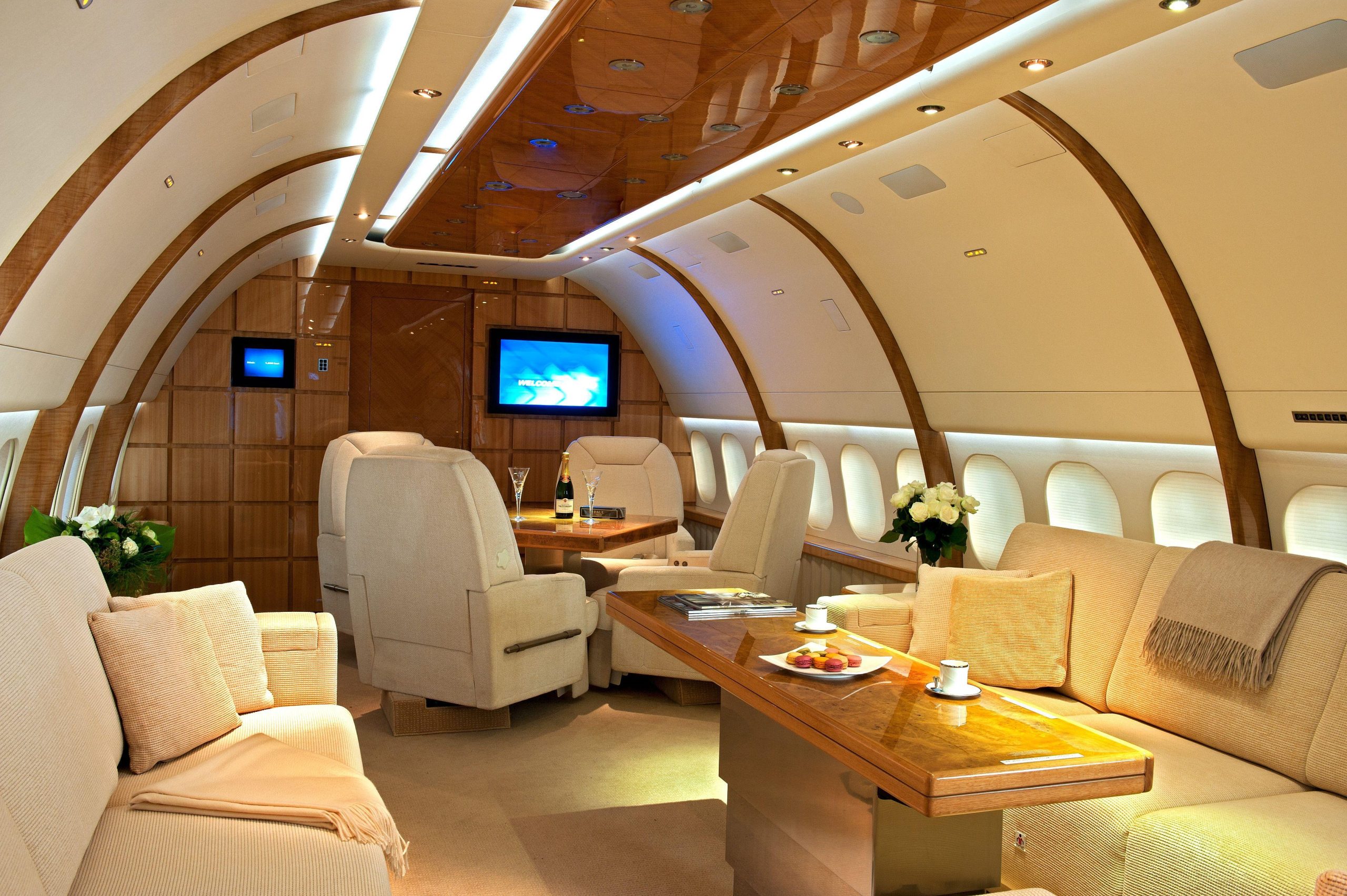
Many private jets are equipped with privacy screens or dividers that can be used to create private spaces within the cabin. These dividers help ensure that passengers can relax or work without being seen by others. For example, passengers who need to conduct confidential business discussions or take private phone calls can do so in complete privacy. - Surveillance Systems and Monitoring
Private jets are equipped with advanced surveillance systems that help ensure the security of the passengers. These systems are often monitored by the crew to detect any potential breaches of privacy, such as unauthorized access to certain areas of the aircraft. The crew is trained to respond quickly to any privacy concerns that arise during the flight. - Handling Personal and Sensitive Items
Passengers on private jets may travel with valuable or sensitive items, such as documents, personal belongings, or even private artworks. The crew is trained to handle these items with the utmost care and respect for privacy. Flight attendants often make sure that personal items are securely stored and are not accessed by others.
Technology and Systems for Enhancing Privacy
In addition to the physical measures taken by the jet crew, there are also various technological solutions that help ensure passenger privacy during flights.
- Encrypted Communications
One of the most important aspects of privacy on a private jet is communication. Many private jets are equipped with secure communication systems that allow passengers to make phone calls, send messages, or access the internet without fear of eavesdropping. These systems use encryption to protect sensitive information and ensure that communications remain private. - Secure Wi-Fi Connections
Private jet operators often provide secure Wi-Fi connections that prevent unauthorized access to passengers’ online activities. This means that passengers can conduct business, check emails, or browse the web with confidence, knowing that their information is protected from cyber threats. - Advanced Security Protocols
Private jets are equipped with advanced security protocols that monitor who is boarding the aircraft, access to the cabin, and other sensitive areas. These systems prevent unauthorized personnel from gaining access to the aircraft or its passengers. The jet crew is trained to handle security measures discreetly, ensuring that passengers feel safe and secure without their privacy being compromised.
Post-Flight Privacy Considerations
Once the flight is complete, the jet crew continues to respect the privacy of the passengers. There are several post-flight measures taken to ensure that privacy is maintained even after the passengers have disembarked.
- Confidentiality After the Flight
Even after the flight has ended, the crew is bound by confidentiality agreements that prevent them from disclosing any information about the passengers or the flight. They are trained to avoid discussing the details of the flight with others, ensuring that privacy is maintained at all times. - Secure Disposal of Documents
If passengers leave behind any sensitive documents or personal items, the jet crew ensures that these items are securely disposed of or returned to the passenger. Private jets often have secure storage systems that prevent the accidental loss or exposure of sensitive materials. - Feedback and Reporting
Once the flight is over, the crew may also receive feedback from passengers about their experience. This feedback is often handled confidentially, ensuring that any comments or complaints are addressed without violating the privacy of the passengers.
Conclusion
Maintaining privacy is one of the most important aspects of private jet travel. Jet crew members play a crucial role in ensuring that passengers’ confidentiality is upheld before, during, and after the flight. From signing confidentiality agreements to using advanced technology for secure communications, every aspect of the flight is designed to protect the privacy of the passengers. With the dedication and professionalism of the jet crew, passengers can rest assured that their privacy will be respected, and their experience will be as exclusive and discreet as possible. Whether they are traveling for business, pleasure, or other personal matters, private jet passengers can enjoy the peace of mind that comes with knowing their privacy is in safe hands.