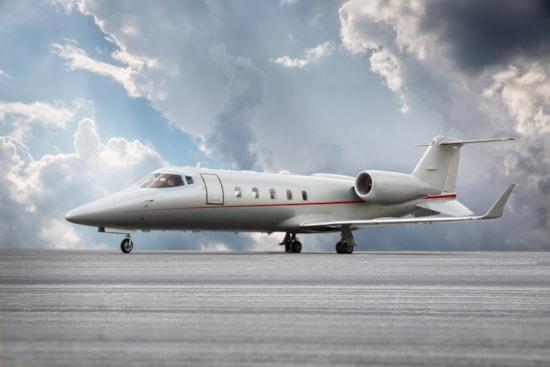
Private Jet PrivateJetia 022
Owning a private jet is often viewed as the summery of luxury and convenience. The ability to travel on your own terms, without the hassles of commercial airlines, appeals to high-net-worth individuals seeking privacy, flexibility, and a very uniqueed comfort. However, many potential private jet owners are unaware of the extensive costs involved in purchasing and maintaining such an aircraft. The dream of soaring through the skies in your own private jet comes with a hefty price tag, and understanding these costs is essential before making such a substantial investment. This article delves into the various expenses associated with owning a private jet, from the initial purchase to ongoing maintenance, fuel, crew salaries, and more, so you can make an informed decision about whether this luxurious lifestyle is a feasible option for you.
- The Initial Purchase Cost
The first and most obvious cost of owning a private jet is the purchase price. A private jet can cost anywhere from a few million dollars to well over $70 million, depending on the type, size, age, and features of the aircraft. The price can also be influenced by the brand and model. For example, a small, used jet might cost as little as $2 million, while a newer, larger jet like the Gulfstream G650ER can cost upwards of $70 million.
For the purpose of comparison, let’s consider some common aircraft models and their price ranges. A small jet like a Cessna Citation XLS may cost around $7 million, whereas a larger jet such as the Bombardier Global 6000 can be priced at $65 million or more. The largest, most luxurious jets, such as the Boeing Business Jet (BBJ) or the Airbus ACJ319, are typically priced in the $80 million to $100 million range. When buying a private jet, it’s essential to consider not only the purchase price but also how the size and specifications of the aircraft will align with your travel needs and lifestyle.
- Financing the Private Jet
Most people who purchase a private jet do not pay the full amount upfront, as the purchase price can be quite high. Instead, many buyers opt to finance the purchase through loans or leasing arrangements. Financing a private jet typically involves a down payment, which can range from 10% to 20% of the aircraft’s value, followed by monthly payments spread over several years.
The cost of financing depends on the terms of the loan, including the interest rate, the duration of the loan, and the value of the aircraft. For example, if you finance a $20 million jet with a 20% down payment, you would need to put down $4 million upfront, with monthly payments of several hundred thousand dollars depending on the loan terms. Additionally, the interest rate on the loan will impact the total amount paid over time, with interest rates varying based on the creditworthiness of the borrower.
- Insurance Costs
Insurance is another necessary expense when owning a private jet. The cost of insurance depends on several factors, such as the value of the aircraft, its age, and how often it is flown. On average, jet owners can expect to pay between $50,000 and $200,000 per year for comprehensive insurance coverage.
Private jet insurance covers damage to the aircraft, liability in case of an accident, and other contingencies, such as theft or weather-related incidents. The premium for insurance will be higher for more expensive, larger jets, and for aircraft that are flown frequently. Insurance coverage is essential to protect your investment and ensure peace of mind while flying.
- Maintenance and Repair Costs
Maintaining a private jet is an ongoing expense that must be factored into the overall cost of ownership. Like any other high-end machine, a private jet requires regular maintenance to ensure that it is in good working condition and safe to fly. The cost of maintenance can vary significantly based on the type of aircraft, its age, and how often it is used.
The average annual cost of maintaining a private jet can range from $200,000 to $500,000, or more, depending on the size and complexity of the jet. The types of maintenance required include routine inspections, engine overhauls, and the replacement of parts as needed. Additionally, certain components of the jet, such as avionics and interior furnishings, may require periodic upgrades or replacements. As the jet ages, the cost of maintenance may increase, as older aircraft typically require more frequent repairs and part replacements.
Some of the specific maintenance costs include:
- Routine Inspections: All private jets must undergo regular inspections to ensure they meet aviation safety standards. These inspections are mandated by aviation authorities and can range from basic annual checks to more in-depth inspections that take place every few years.
- Engine Overhauls: Engines are one of the most expensive components to maintain, and they require periodic overhauls. Depending on the size of the aircraft, engine overhauls can cost anywhere from $500,000 to $2 million or more.
- Parts Replacement: As the jet is used, parts will naturally wear out and require replacement. This can include everything from tires and brakes to avionics systems and cockpit instruments.
- Fuel Costs
Fuel is one of the largest operational expenses for private jet owners. The amount of fuel consumed depends on the size of the jet, the distance traveled, and the type of engine it uses. Smaller jets may consume around 150 to 200 gallons of fuel per hour, while larger jets can use upwards of 500 gallons per hour. Fuel costs can range from $1,500 to $4,000 per hour, depending on the type of aircraft.
For frequent travelers, the cost of fuel can quickly add up. For example, if you fly a large jet for 500 hours per year, your annual fuel costs could exceed $1 million. While fuel costs fluctuate based on market conditions, they remain a significant ongoing expense that should be factored into the overall cost of ownership.
- Crew Salaries
Private jets typically require a crew to operate them safely and efficiently. The crew usually includes pilots, and in some cases, flight attendants and other staff members. The salaries of the crew are a significant ongoing expense that should be accounted for when calculating the total cost of owning a private jet.
Pilot salaries can range from $50,000 to $200,000 or more per year, depending on the type of aircraft and the experience of the pilot. In addition to the pilots, many private jet owners hire flight attendants, especially for larger jets or those that travel long distances. The salary for a flight attendant typically ranges from $40,000 to $100,000 per year. If you have a larger crew, such as engineers or cabin staff, their salaries will add to the total cost of operating the jet.
Some owners may also hire additional support staff, such as mechanics or administrative personnel, to manage the operational aspects of the jet, further increasing the overall cost of ownership.
- Hangar and Parking Fees
When you own a private jet, you need a place to park it when not in use. Most private jet owners rent hangar space at an airport or private airfield to keep their jet secure and protected from the elements. The cost of renting hangar space varies based on the size of the jet and the location of the airport.
On average, hangar fees can range from $3,000 to $10,000 per month, depending on the size of the jet and the airport’s location. More exclusive airports or airports in high-demand areas may charge even higher rates for hangar space. Additionally, if you plan to park your jet at different airports, you may incur daily parking fees, which can range from a few hundred dollars to several thousand dollars per day, depending on the location and the size of the aircraft.
- Depreciation and Resale Value
As with any luxury asset, a private jet depreciates over time. The value of a jet will decrease as it ages, with the rate of depreciation typically ranging from 5% to 10% per year. For example, a $20 million jet may lose $1 million to $2 million in value each year. While newer jets tend to depreciate at a slower rate, older jets may experience a more rapid decline in value.
The resale value of your jet will depend on factors such as its age, condition, market demand, and the number of hours it has flown. Well-maintained jets with low flight hours typically retain more of their value compared to jets that have been heavily used or poorly maintained. As a result, it’s important to consider the long-term financial impact of owning a private jet, as depreciation can have a significant effect on the resale price when it’s time to sell.
- Luxury Services and Additional Expenses
Owning a private jet also comes with a host of luxury services and additional expenses that can add to the overall cost of ownership. These include:
- Catering: Many private jet owners opt for high-end catering services to provide gourmet meals during their flights. Depending on the menu and level of customization, catering costs can range from a few hundred to several thousand dollars per flight.
- In-Flight Entertainment: For long flights, in-flight entertainment systems, including Wi-Fi, satellite TV, and movie streaming services, can be installed in the aircraft. These upgrades can cost thousands of dollars to install and incur ongoing fees for data usage and service subscriptions.
- Interior Customization: Some private jet owners choose to customize the interior of their aircraft with luxurious furnishings, such as plush seating, high-end materials, and bespoke finishes. Customization can add millions of dollars to the cost of the jet, along with the ongoing maintenance of these luxury features.
- Alternative Options
For those who want the convenience of private jet travel but find the costs of full ownership prohibitive, there are alternative options available, such as fractional ownership, jet membership programs, and charter services. These alternatives allow you to enjoy the benefits of private air travel without the full financial commitment of ownership.
- Fractional Ownership: Fractional
ownership involves purchasing a share of a private jet, which allows you to access the aircraft for a set number of hours each year. This option significantly reduces the upfront cost and operating expenses associated with owning an entire jet.
- Jet Membership Programs: Membership programs, such as those offered by companies like NetJets and Flexjet, allow you to pay a monthly or annual fee to access a fleet of private jets. These programs provide flexibility and convenience, but they come with ongoing costs based on usage.
- Chartering a Jet: If you only need occasional access to a private jet, chartering is an excellent alternative. Chartering allows you to rent a jet on-demand without any of the long-term costs of ownership. The price of chartering a jet depends on factors such as the type of aircraft, flight duration, and distance traveled.
Conclusion
Owning a private jet is undoubtedly a symbol of luxury and exclusivity, but it comes with a hefty price tag. From the initial purchase price to maintenance, fuel, insurance, and crew salaries, the costs of ownership can quickly add up to several million dollars per year. It’s important to carefully consider all of these factors before making the decision to purchase a private jet. For those who want the convenience of private air travel but don’t want to take on the full financial commitment, alternative options like fractional ownership or chartering can provide a more affordable solution. Ultimately, the decision to own a private jet should be based on your individual travel needs, lifestyle, and financial capacity.