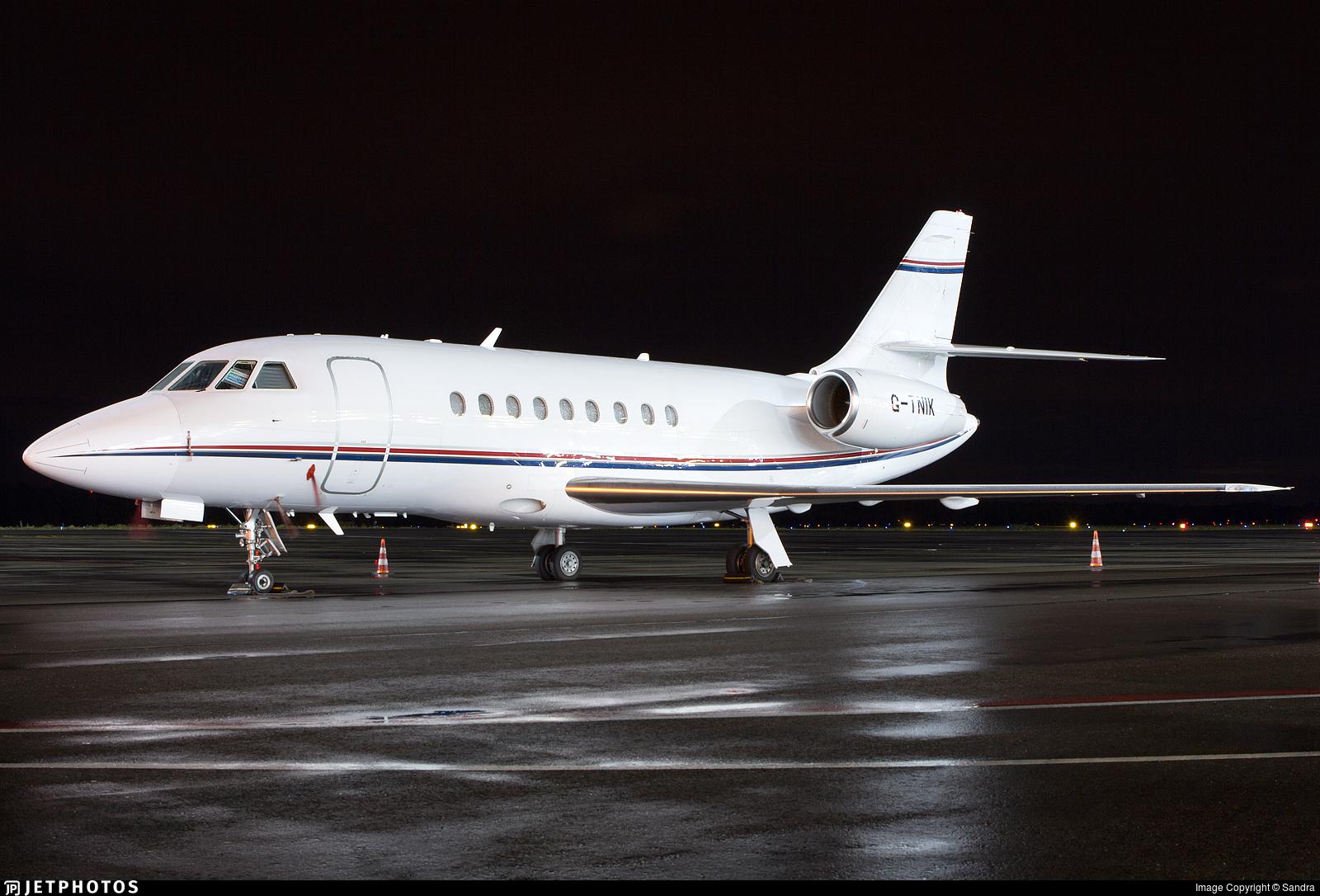
In the complex and interconnected world of modern diplomacy, political leaders and diplomats are constantly on the move. With high-stakes international negotiations, peace talks, and the need to represent their countries at global summits, the ability to travel quickly, securely, and efficiently has never been more important. Commercial air travel, with its rigid schedules and public nature, is simply not an option for those operating at the highest levels of government and diplomacy. This is where private jets play a crucial role. These specialized aircraft offer a very uniqueed advantages in terms of flexibility, security, privacy, and efficiency, key elements that allow political leaders and diplomats to navigate the globe with ease.
Private jets have become an indispensable tool for political figures who need to travel for work, attend international summits, or negotiate critical treaties. Whether it’s traveling to a diplomatic meeting, attending a United Nations session, or participating in peace talks, private jets allow for seamless, high-level travel. In this article, we will explore how political leaders and diplomats use private jets for global travel, the benefits they provide, and why they have become a crucial element in the world of international relations.
The Need for Speed in Global Diplomacy
In international diplomacy, timing is everything. Political leaders and diplomats are frequently called upon to address urgent global issues, sometimes with little notice. Whether it’s responding to a humanitarian crisis, participating in last-minute negotiations to avert conflict, or attending a critical meeting to finalize a trade agreement, the ability to travel at a moment’s notice is essential. Private jets offer the speed and flexibility necessary to meet these demands.
With private jets, political leaders can fly directly to their destinations without the delays and disruptions often associated with commercial air travel. Commercial flights are subject to rigid schedules, lengthy check-in procedures, and long security lines, all of which waste valuable time. In contrast, private jets offer the ability to depart on a schedule that best suits the traveler’s needs, ensuring that political leaders arrive at important meetings on time and without stress.
Private jets also allow diplomats to bypass commercial airports entirely, flying to smaller, less congested airports closer to their destinations. This not only saves time but also ensures that leaders can avoid long waits and security delays that are common at larger international hubs. For political leaders who need to stay ahead of fast-moving global events, the ability to travel quickly and efficiently is indispensable, and private jets offer a solution that commercial airliners simply cannot match.
Ensuring Safety and Security
Security is a paramount concern for political leaders and diplomats. They are high-profile individuals who face significant risks when traveling internationally. Whether it’s from extremist groups, political opponents, or other potential threats, ensuring the safety of a country’s leaders is crucial to maintaining national security and the integrity of international relations. Private jets provide a level of security and control that commercial airlines cannot.
One of the key advantages of traveling on a private jet is the ability to control every aspect of the journey, from departure time to flight path. Political leaders and their teams can ensure that their flights are fully secure, with rigorous screening processes, dedicated security personnel, and the option to alter flight plans as necessary. This level of control is especially important when traveling to countries or regions with higher security risks or political instability.
Moreover, private jets offer a much more secure environment than commercial airliners. Commercial flights are crowded, and there is always the possibility of being exposed to public attention or eavesdropping. With private jets, leaders and their teams can travel discreetly, avoiding the crowds and potential security breaches associated with public airports. Onboard, they can also implement tighter security measures, such as onboard security personnel or the use of specialized surveillance systems, to ensure their protection throughout the journey.
In addition, private jets can be equipped with state-of-the-art technology that enhances security. They can fly at higher altitudes, which makes them less vulnerable to missile threats or radar detection. They can also quickly change course or altitude if needed to avoid potential danger, providing political leaders with a safe and reliable means of transport during high-risk diplomatic missions.
Maintaining Privacy in Sensitive Diplomacy
Diplomacy often involves highly sensitive conversations and negotiations that must be kept confidential. Political leaders and diplomats engage in talks that could involve national security, trade secrets, or peace agreements, and any leak of information can have serious consequences. As such, privacy is a critical factor when traveling for diplomatic purposes.
Private jets offer an ideal environment for confidential discussions. Unlike commercial flights, where privacy is limited due to crowded cabins and shared spaces, private jets allow for complete privacy. Leaders can hold meetings with their teams or foreign diplomats without the risk of eavesdropping or outside interference. This ability to conduct sensitive discussions in a secure and private environment is invaluable when engaging in delicate diplomatic negotiations.
The onboard setting of a private jet is also conducive to informal conversations and relationship-building. Diplomats often work to establish trust and rapport with foreign leaders, and private jets provide a relaxed, private setting for these conversations. The ability to speak freely without concern for privacy breaches allows political leaders to engage in candid discussions that can help build stronger relationships and trust, both of which are essential for successful diplomacy.
In addition, private jets enable diplomats to maintain a level of discretion when traveling to high-profile events. Heads of state and other political figures often prefer to avoid the public eye when traveling, and private jets allow them to do so without attracting unwanted attention. Whether traveling to a bilateral meeting or attending a summit, private jets ensure that political leaders can maintain their privacy while engaging in critical diplomatic work.
Flexibility and Customization for Diplomatic Needs
The unpredictable nature of diplomacy means that political leaders and diplomats must be prepared to adapt quickly to changing circumstances. Whether it’s an urgent call for peace talks, a trade negotiation that requires immediate attention, or a last-minute summit to address a global crisis, private jets provide the flexibility needed to accommodate these demands.
Private jets offer complete customization in terms of flight routes, departure times, and onboard facilities. Diplomats can adjust their travel plans as necessary, whether to avoid disruptions from political events, address unexpected developments, or change the timing of meetings. The ability to customize travel plans ensures that political leaders can respond quickly to any diplomatic opportunity or challenge that arises.
Furthermore, private jets provide diplomats with the flexibility to visit multiple destinations in one day. A political leader can attend a meeting in one country, take a private jet to another location for additional talks, and return home, all within a single day. This level of flexibility is crucial in international diplomacy, where time is often of the essence, and the ability to attend multiple meetings or summits is critical.
Private jets are also equipped with facilities that cater to the needs of high-level diplomats. Onboard, leaders can work, hold meetings, or relax during their flights, ensuring that they remain productive and focused throughout their travels. With a comfortable and customized onboard experience, diplomats can maintain a high level of efficiency, even when traveling across multiple time zones or attending back-to-back meetings.
Streamlining Team Travel and Coordination
Diplomatic missions often involve large teams of advisors, security personnel, translators, and other key staff members. Coordinating travel for these teams can be challenging, especially when international travel schedules are tight and security concerns are high. Private jets make it easier to streamline travel for these teams, ensuring that everyone travels together and arrives at their destination on time.
With a private jet, diplomats can travel with their entire team, keeping everyone in close proximity and allowing for coordinated, efficient movement from one location to another. This eliminates the logistical challenges associated with coordinating commercial flights for large delegations, which often involves managing multiple bookings, varying flight schedules, and different layovers.
Private jets also allow for greater flexibility in terms of the number of passengers and the specific needs of each individual. Whether it’s arranging for additional security personnel, accommodating staff members who need to work during the flight, or providing specialized facilities for medical or diplomatic teams, private jets can be customized to suit the needs of the entire diplomatic delegation.
In addition to streamlining team travel, private jets also enable diplomats to conduct meetings and work while in transit. With onboard facilities, teams can review documents, prepare for upcoming negotiations, or hold video conferences with colleagues or foreign officials. This ensures that diplomatic teams can remain productive even while traveling between locations.
Enhancing Diplomatic Prestige and Influence
Traveling aboard a private jet is not just about practicality, it’s also about the image it conveys. For political leaders and diplomats, how they are perceived by their counterparts and the international community is an important aspect of diplomacy. The use of private jets reinforces the image of power, influence, and credibility.
Flying privately communicates that a leader is important, capable, and engaged in high-level diplomacy. It sends a message that the political leader is operating at the highest level of international relations and is fully equipped to handle complex global challenges. This perception of power and influence can strengthen a diplomat’s negotiating position and enhance their ability to secure favorable outcomes in negotiations.
Private jets also offer a level of exclusivity and professionalism that reinforces the prestige of political leaders. Diplomats who fly privately are seen as serious players on the global stage, and their use of private jets emphasizes their commitment to diplomacy and their ability to navigate the complexities of international relations.
The Future of Private Jets in Diplomacy
As global diplomacy continues to evolve, the role of private jets in political travel is likely to grow. The increasing demands for speed, security, privacy, and flexibility in international relations mean that private jets will remain an essential tool for political leaders and diplomats. Furthermore, with ongoing advancements in aviation technology, private jets are becoming more efficient, sustainable, and environmentally friendly, making them an even more attractive option for diplomats.
The future of private jets in diplomacy will likely include greater emphasis on sustainability, with aircraft manufacturers developing more eco-friendly models that minimize the environmental impact of private air travel. This aligns with the growing importance of sustainability in global politics, where leaders are increasingly expected to address environmental concerns in addition to geopolitical and economic issues.
As international relations become more complex and dynamic, private jets will continue to provide political leaders and diplomats with the flexibility, security, and efficiency they need to navigate the fast-paced world of global diplomacy. With their ability to offer bespoke travel experiences, private jets will remain a vital tool for high-level diplomatic engagement and international collaboration.
Conclusion
Private jets have become an essential component of global diplomacy, offering political leaders and diplomats the ability to travel efficiently, securely, and privately. From ensuring timely arrival at critical meetings to providing a secure environment for confidential discussions, private jets play a crucial role in high-level diplomatic travel. The ability to travel quickly, adapt to changing circumstances, and maintain privacy has made private jets indispensable for those working at the highest levels of international relations. As the demands of diplomacy continue to evolve, private jets will remain an integral part of the global political landscape.