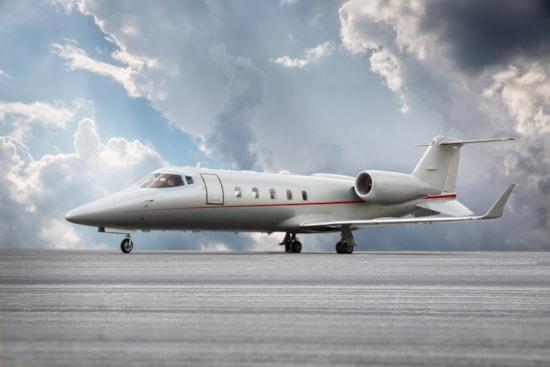
PrivateJetia Private Jet Fly 7
Private jet travel has long been associated with luxury, exclusivity, and convenience. However, as technology continues to advance at a rapid pace, the private aviation industry is undergoing a significant transformation. Today, private jet travel is not only more efficient and accessible but also more personalized, environmentally conscious, and innovative than ever before. From advanced booking systems to state-of-the-art aircraft designs and eco-friendly initiatives, modern technology is reshaping the way we fly privately. In this article, we will explore how private jet travel is evolving with the integration of cutting-edge technology and how these advancements are improving the experience for passengers.
The Rise of Digital Booking Platforms and Apps
One of the most significant changes in private jet travel is the evolution of booking platforms. Gone are the days of having to make phone calls or work with private jet brokers to schedule your flights. Today, you can book a private jet flight in the same way you would book a commercial flight – with the click of a button on a digital platform or app.
These platforms, such as JetSuite, Blade, and XO, offer passengers easy access to a wide range of private jets, ensuring they can choose the perfect aircraft for their needs. With these apps, passengers can browse available jets, compare prices, and check availability in real-time. Additionally, many platforms allow users to book single seats on private jets, making private aviation more accessible and affordable to a broader audience. This is a significant shift from the traditional model of renting entire jets, which was often cost-prohibitive for most travelers.
Digital booking platforms also allow for streamlined payment processes, instant confirmations, and seamless communication between passengers and operators. With just a few taps on your smartphone, you can secure a private jet for your next trip, eliminating the hassle of complicated logistics and paperwork. These platforms are leveraging technology to make private jet travel as efficient and user-friendly as possible, bringing the luxury of private aviation to a wider range of travelers.
Advanced Aircraft Design and Innovations
As private aviation continues to evolve, so do the aircraft themselves. Modern jets are equipped with state-of-the-art technology that enhances both the performance and comfort of the aircraft. One area of innovation is the design of the cabin, where technology plays a crucial role in creating a personalized and luxurious flying experience.
Today’s private jets offer customizable cabin layouts, allowing passengers to configure the space to their liking. This means that you can tailor the seating arrangement to suit your group, whether you’re traveling for business or pleasure. Some jets even feature advanced soundproofing, ensuring that passengers enjoy a quiet, peaceful environment during their flight. With technology, you can control the lighting, temperature, and entertainment systems in your cabin, all from a touchscreen interface, providing an a very uniqueed level of comfort and convenience.
Moreover, many private jets are equipped with advanced avionics and flight management systems that allow pilots to navigate more efficiently and safely. These systems provide real-time data about weather conditions, air traffic, and flight paths, ensuring that the flight is as smooth and safe as possible. The introduction of fly-by-wire technology, which replaces traditional mechanical flight controls with electronic systems, has made private jets more responsive and easier to fly. This technology also reduces the weight of the aircraft, improving fuel efficiency and performance.
One of the most significant advancements in private jet design is the introduction of electric and hybrid-electric aircraft. These innovative jets combine traditional jet engines with electric propulsion systems, reducing fuel consumption and emissions. While still in the early stages of development, these eco-friendly jets hold the potential to revolutionize the industry, making private aviation more sustainable in the future.
Increased Connectivity and In-Flight Technology
One of the key factors that set private jet travel apart from commercial flights is the ability to stay connected while in the air. Modern private jets are equipped with cutting-edge in-flight technology that allows passengers to remain connected to the internet, stream content, and communicate with others during their flight. This is especially important for business travelers who need to stay in touch with clients, colleagues, or partners while on the go.
Private jets now offer high-speed Wi-Fi and satellite communication systems that provide seamless internet access throughout the flight. This technology allows passengers to send and receive emails, participate in video conferences, and access cloud-based services without interruption. With the increasing reliance on digital communication for both business and leisure, the ability to stay connected in the air has become a crucial feature of private jet travel.
In addition to internet connectivity, private jets also offer advanced entertainment systems that include on-demand movies, TV shows, and music. Passengers can enjoy a wide range of entertainment options during their flight, making the journey more enjoyable and productive. Some jets even feature large, high-definition screens, gaming consoles, and noise-canceling headphones, providing a first-class entertainment experience.
Moreover, the integration of virtual assistants, such as Alexa or Siri, has started to make its way into the cockpit and cabin of private jets. These voice-activated assistants can control lighting, temperature, and entertainment systems, providing passengers with a hands-free and highly interactive experience. With these advancements, private jet travel is becoming even more immersive and convenient, allowing passengers to tailor every aspect of their journey to their preferences.
Streamlined Security and Enhanced Safety Features
Security is always a top priority when traveling, and private jet companies are leveraging modern technology to make the security process more efficient and less intrusive. Many private jet services offer biometric screening, which allows passengers to bypass traditional security checks at the airport. This technology uses facial recognition or fingerprint scanning to verify the identity of passengers, reducing the time spent waiting in line and ensuring a smoother, more seamless experience.
In addition to biometric security, private jets are also equipped with advanced safety features that use technology to enhance flight security. Modern jets are outfitted with collision avoidance systems, enhanced weather radar, and advanced navigation tools, all of which help to minimize the risk of accidents and improve overall flight safety. These systems provide real-time information about potential hazards and offer automated alerts to the flight crew, allowing them to take preventive action when necessary.
Furthermore, the integration of artificial intelligence (AI) and machine learning is improving the maintenance and monitoring of private jets. AI-powered systems can analyze data from the aircraft’s sensors to predict potential issues and alert maintenance crews before problems arise. This proactive approach to maintenance helps to ensure that private jets remain in optimal condition and are ready for flight at all times.
Eco-Friendly Innovations and Sustainable Aviation
As environmental concerns continue to grow, the private aviation industry is taking steps to reduce its carbon footprint. One of the most significant ways technology is driving sustainability in private jet travel is through the development of sustainable aviation fuel (SAF). SAF is made from renewable resources, such as plant-based oils or waste products, and can significantly reduce the carbon emissions produced by jet engines.
Many private jet companies are investing in SAF as a way to minimize the environmental impact of their flights. In fact, some private jet operators offer passengers the option to offset their carbon emissions by purchasing SAF for their flights, making it easier for travelers to reduce their environmental footprint.
In addition to SAF, electric and hybrid-electric aircraft are being developed as more sustainable alternatives to traditional jet engines. These aircraft use electric propulsion systems that reduce fuel consumption and emissions, making them a more environmentally friendly option for private aviation. While electric jets are still in the early stages of development, they represent a promising future for sustainable private jet travel.
Furthermore, many private jet companies are adopting carbon offset programs, allowing passengers to compensate for their carbon emissions by supporting environmental projects, such as reforestation or renewable energy initiatives. This growing emphasis on sustainability is helping to ensure that private jet travel remains environmentally responsible while still providing the luxury and comfort that passengers expect.
The Future of Private Jet Travel: Artificial Intelligence and Automation
Looking ahead, the future of private jet travel is set to be shaped by even more technological innovations. One of the most exciting developments on the horizon is the potential for fully autonomous private jets. While self-piloting aircraft are still in the early stages of testing, advancements in AI and automation are bringing us closer to a future where private jets can fly themselves without human pilots.
The integration of AI into the cockpit could make flights safer, more efficient, and more reliable. AI systems could take over many of the complex tasks currently performed by pilots, such as route optimization, weather analysis, and fuel management. This would allow pilots to focus on overseeing the flight and ensuring that everything runs smoothly, reducing the risk of human error.
In addition to autonomous aircraft, AI-powered flight attendants could also become a part of the private jet experience. These virtual assistants would be able to provide personalized services, such as adjusting the cabin temperature, preparing meals, or offering recommendations for in-flight entertainment. As AI continues to evolve, it could revolutionize the way private jet travel is experienced, making it even more customized and efficient.
Conclusion
Private jet travel is undergoing a dramatic transformation thanks to modern technology. From advanced booking platforms and innovative aircraft designs to in-flight connectivity and eco-friendly initiatives, technology is enhancing every aspect of the private jet experience. These advancements are making private aviation more accessible, efficient, and sustainable, while also providing passengers with a level of luxury and personalization that was once unimaginable.
As technology continues to evolve, we can expect even more exciting developments in the world of private jet travel. Whether it’s the introduction of electric jets, AI-powered flight attendants, or fully autonomous aircraft, the future of private aviation is bright. By embracing these technological innovations, the private jet industry is setting a new standard for luxury, convenience, and sustainability, ensuring that travelers can enjoy an a very uniqueed flying experience for years to come.