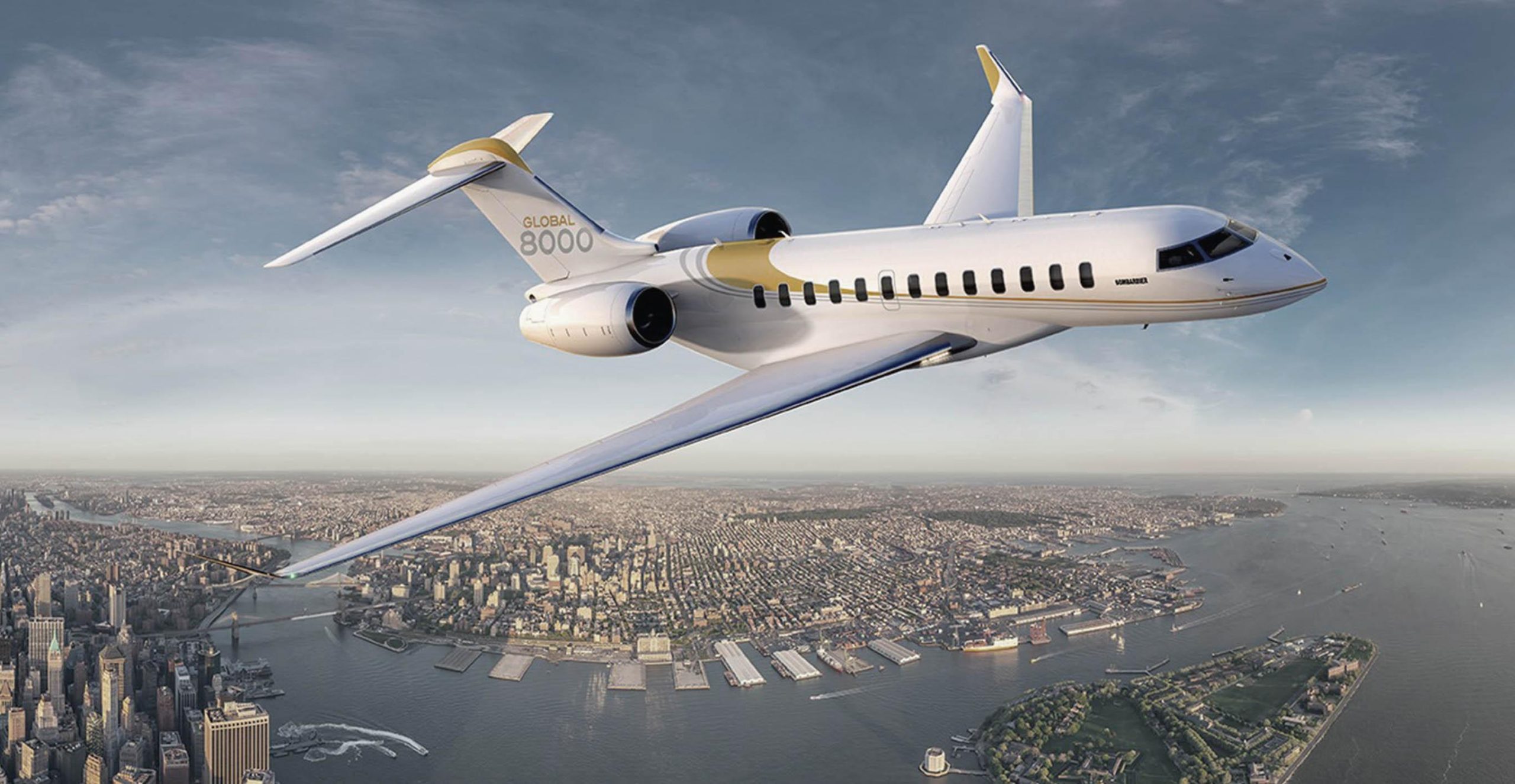
Private jet travel is no longer just the domain of the wealthy elite or business moguls; it has become a symbol of efficiency, innovation, and luxury. The aviation industry is undergoing a significant transformation, and private jets are playing a pivotal role in leading this change. From technological advancements to sustainable innovations, private jets are setting new standards for air travel, reshaping the way we think about flying.
The aviation world has always been a space of continuous innovation, and private jets are no exception. With increasing demand for flexibility, convenience, and luxury, private jet manufacturers and service providers have been pushing the boundaries of what’s possible in the sky. This article explores how private jet travel is leading the way in aviation innovation, not only by enhancing the flying experience but also by driving technological and environmental advancements that will shape the future of air travel.
The Evolution of Private Jets: A Glimpse Into the Future
Private jet travel has come a long way from the early days of aviation. Once a luxury reserved for royalty and business elites, it has now become more accessible to a wider audience through fractional ownership, charter services, and jet card programs. But it’s not just the democratization of private jets that has made them a game-changer in aviation; it’s the groundbreaking innovations that are being integrated into every aspect of their design and operation.
Modern private jets are equipped with the latest technologies that enhance both the safety and comfort of passengers. High-speed internet, satellite communications, advanced cockpit avionics, and ergonomic interiors are just a few examples of the advancements that have revolutionized the private jet experience. These innovations not only make flying more efficient but also more enjoyable, allowing passengers to be productive, entertained, or relaxed during their journey.
One of the most significant ways in which private jets are leading the way in aviation innovation is through the integration of new materials and aircraft design techniques. Lightweight composites, advanced aerodynamics, and cutting-edge propulsion systems are making private jets faster, more fuel-efficient, and more environmentally friendly. These advancements are setting new standards in the aviation industry, pushing other sectors to adopt similar innovations.
Technological Advancements in Private Jets: Transforming the Travel Experience
Technological innovation is at the heart of the transformation in private jet travel. From the moment passengers board their flights to the moment they land, they experience a level of service, efficiency, and luxury that is unmatched by commercial aviation. The use of advanced technologies is enhancing every aspect of the private jet experience, from the booking process to in-flight entertainment and safety.
One of the most important innovations in private jet technology is the development of next-generation avionics. Modern private jets are equipped with advanced flight management systems, autopilot features, and navigation tools that enhance safety and efficiency. These systems allow pilots to navigate the skies more accurately, reduce the risk of human error, and optimize flight paths for fuel efficiency. With real-time weather monitoring and advanced collision-avoidance systems, the safety and reliability of private jet travel have reached new heights.
In addition to safety, technological advancements in private jets have also improved the comfort and convenience of passengers. Many private jets now feature state-of-the-art entertainment systems, including high-speed Wi-Fi, satellite TV, and video conferencing capabilities. Passengers can stay connected to the world, catch up on work, or enjoy a movie during their flight, turning the travel experience into something far more enjoyable.
Private jets are also incorporating innovative cabin designs that prioritize comfort and luxury. Ergonomically designed seating, spacious layouts, and high-quality materials ensure that passengers can relax in style. Some private jets even feature fully enclosed bedrooms, bathrooms, and showers, allowing passengers to travel in complete privacy and comfort. The customization options available for private jet interiors are also expanding, with passengers able to choose everything from the color scheme to the type of upholstery.
Sustainable Aviation: Private Jets Paving the Way for Eco-Friendly Travel
As environmental concerns grow, sustainability is becoming a key focus in the aviation industry. Private jet travel, once criticized for its carbon footprint, is now at the forefront of efforts to reduce aviation’s environmental impact. Manufacturers are investing heavily in sustainable technologies to create more eco-friendly private jets that meet the demands of environmentally conscious travelers.
One of the most promising developments in sustainable aviation is the use of Sustainable Aviation Fuel (SAF). SAF is produced from renewable resources such as agricultural waste, algae, and even municipal waste, and it can reduce carbon emissions by up to 80% compared to conventional jet fuel. Many private jet operators have already started incorporating SAF into their flights, making it a significant step toward reducing the environmental impact of private aviation.
In addition to SAF, private jets are increasingly being designed with more efficient engines and lightweight materials that reduce fuel consumption and emissions. Aircraft manufacturers are also exploring the potential of electric and hybrid-electric aircraft, which promise to eliminate the need for traditional jet fuel altogether. Electric propulsion systems are still in the early stages of development, but they hold the potential to revolutionize private jet travel in the coming decades.
Private jet companies are also adopting more sustainable operational practices, such as optimizing flight routes to reduce fuel consumption, implementing carbon offset programs, and using eco-friendly materials in the construction of their aircraft. These efforts are helping to reduce the carbon footprint of private aviation and demonstrate the industry’s commitment to sustainability.
The Future of Private Jet Travel: How Innovation is Shaping the Next Generation of Aircraft
The private jet industry is not resting on its laurels; innovation continues to drive the development of new aircraft and services that will shape the future of air travel. One of the most exciting trends in private aviation is the development of supersonic jets. These jets, which can travel at speeds greater than the speed of sound, are poised to revolutionize the way we think about long-distance air travel.
Supersonic private jets will dramatically reduce flight times, allowing passengers to travel from New York to London in just a few hours instead of the typical seven. This time-saving capability is particularly appealing to business travelers, who can maximize their productivity by spending less time in the air. Supersonic jets will also provide a unique luxury experience, as passengers will enjoy faster travel without sacrificing comfort or service.
In addition to supersonic travel, the next generation of private jets will likely feature even more advanced materials, enhanced aerodynamics, and quieter engines. Manufacturers are also exploring ways to integrate artificial intelligence and machine learning into the flight experience, from predictive maintenance to enhanced customer service.
Private jets are also becoming more connected, with integrated IoT (Internet of Things) devices that allow passengers to control various aspects of their flight, such as cabin temperature, lighting, and entertainment options, directly from their smartphones or tablets. This level of personalization is transforming private jet travel into a fully customized experience that caters to the unique preferences of each passenger.
As innovation continues to drive the private jet industry, we can expect to see even more advancements in the coming years. From supersonic flight to eco-friendly technologies, private jets will continue to lead the way in shaping the future of aviation.
The Changing Landscape of Private Jet Ownership and Accessibility
Private jet travel has traditionally been reserved for the ultra-wealthy, but that’s beginning to change. Fractional ownership, jet card memberships, and charter services are making private jet travel more accessible to a broader range of individuals. These options allow travelers to enjoy the benefits of private jet travel without the full financial commitment of owning an entire aircraft.
Fractional ownership allows individuals to purchase a share in a private jet, typically giving them access to a certain number of flight hours each year. This model makes private jet ownership more affordable and flexible, as it allows multiple individuals to share the cost of the aircraft while still enjoying the benefits of private travel. Jet card memberships offer a similar model, allowing travelers to purchase a set number of flight hours on a private jet without the need for ownership.
Charter services are also growing in popularity, as they allow travelers to rent a private jet for a single flight or a series of flights. This option provides maximum flexibility, as travelers can choose the aircraft, the flight schedule, and the amenities they require without any long-term commitment.
As these alternative ownership models continue to gain traction, private jet travel is becoming more accessible and affordable for a wider range of people. This increased accessibility is helping to drive the growth of the private jet industry and solidifying its place in the future of air travel.
Conclusion: Private Jets Leading the Way in Aviation Innovation
Private jet travel is more than just a luxury; it is at the forefront of aviation innovation. From technological advancements that enhance safety and comfort to sustainable initiatives that reduce the environmental impact of air travel, private jets are reshaping the aviation industry. As manufacturers continue to develop next-generation aircraft and services, private jets will remain a symbol of efficiency, luxury, and innovation.
The future of private jet travel is bright, with supersonic jets, electric aircraft, and personalized flying experiences on the horizon. Private jets are not just leading the way in aviation innovation, they are setting new standards for air travel that will shape the industry for years to come. Whether it’s for business or leisure, private jets are paving the way for a more efficient, eco-friendly, and enjoyable travel experience.
In a world where time is increasingly precious and luxury is highly valued, private jets are proving to be an essential part of the future of aviation. They are no longer just a mode of transportation; they are a glimpse into the future of travel itself.