In the ever-evolving world of aviation, staying competitive is crucial for private jet companies. With rising customer expectations and a growing emphasis on sustainability, private jets must continuously adapt to new technologies to meet the demands of both business and leisure travelers. The latest technological innovations are not only improving the efficiency and safety of private jets but also enhancing the overall experience for passengers. In this article, we will explore how private jets are embracing the latest tech to stay competitive in the rapidly changing aviation industry.
One of the most significant ways private jets are staying competitive is through the integration of advanced avionics systems. Modern private jets are equipped with cutting-edge flight control technologies that increase safety and operational efficiency. Systems such as enhanced vision systems, autopilot, and fly-by-wire technology are making flights smoother and safer. By embracing these technologies, private jet operators can offer a more reliable and secure service, which is a major selling point for customers who demand the highest standards of safety and performance.
Another area where private jets are embracing technology is in-flight connectivity. With the growing demand for continuous connectivity, passengers now expect high-speed internet access while traveling in the sky. Private jets are increasingly equipped with satellite communication systems that allow passengers to stay connected, stream media, and work efficiently during their flights. The ability to maintain productivity while in the air has become a crucial factor for business travelers, making high-speed Wi-Fi a key feature that helps private jets stay competitive. Innovations in satellite technology are constantly improving internet speeds, providing a seamless and fast experience for passengers.
Passenger experience is at the heart of what makes private jets so appealing, and technology is playing a significant role in enhancing that experience. Modern private jets now come with fully customizable cabins that allow passengers to tailor the environment to their preferences. Advanced lighting systems, for example, allow for adjustments in brightness and color to create the perfect atmosphere for relaxation or productivity. Noise-canceling technology is also making private jet cabins quieter, ensuring a peaceful and comfortable journey. Additionally, entertainment systems have been upgraded to include large, high-definition screens, on-demand content, and even virtual reality (VR) options, making private jets the ultimate space for luxury and relaxation.
Sustainability is a growing concern in the aviation industry, and private jets are making strides to incorporate eco-friendly technologies to stay competitive. With increasing pressure from environmental groups and governments, private jet companies are exploring alternatives to traditional jet fuel. Sustainable aviation fuels (SAFs) are one such innovation, and many private jet operators are already using SAFs to reduce their carbon emissions. SAFs are made from renewable sources such as waste oils and agricultural residues, making them a more environmentally friendly option than conventional jet fuel. By incorporating SAFs into their operations, private jet companies can appeal to environmentally-conscious customers and reduce their impact on the planet.
In addition to sustainable fuels, private jets are also embracing electric and hybrid-electric propulsion systems. While fully electric private jets are still in the early stages of development, hybrid-electric engines are gaining traction in the industry. These systems combine traditional jet engines with electric motors to reduce fuel consumption and lower emissions. Hybrid-electric technology has the potential to revolutionize private aviation by making flights more efficient and environmentally friendly. As this technology advances, private jets that incorporate hybrid-electric propulsion will have a competitive edge in the market.
Another way private jets are staying competitive is by implementing advanced booking and scheduling systems. These systems use artificial intelligence (AI) and machine learning algorithms to optimize flight routes, reduce delays, and improve overall efficiency. AI-powered platforms can analyze factors such as weather, air traffic, and fuel consumption to create the most efficient flight plans, ensuring that passengers reach their destinations on time and with minimal disruptions. Additionally, these systems enable private jet companies to offer dynamic pricing models that adjust in real time, making flights more affordable and accessible to a wider range of customers.
Security is also a major concern for private jet operators, and technology is helping to address this issue. Modern private jets are equipped with advanced security systems, including biometric identification, encrypted communication channels, and surveillance cameras. Biometric systems, such as facial recognition and fingerprint scanning, ensure that only authorized passengers and crew members can access the aircraft. These systems not only enhance security but also streamline the boarding process, providing a smoother and faster experience for passengers. Furthermore, private jet operators are investing in cybersecurity measures to protect against potential cyber threats, ensuring that all data and communications remain secure.
The integration of automation is another key factor in keeping private jets competitive. Automation technology is improving both the efficiency of flight operations and the passenger experience. For example, automated check-in systems allow passengers to board the aircraft quickly and without the need for manual intervention. In the cockpit, automation is making flights safer and more efficient by assisting pilots with routine tasks such as navigation and engine management. As automation continues to evolve, private jets will become even more efficient, reducing costs and improving overall performance.
With the rapid advancements in technology, the private jet industry is also seeing improvements in aircraft design and construction. New materials, such as carbon fiber and lightweight composites, are being used to reduce the weight of private jets, which in turn improves fuel efficiency and reduces operating costs. These materials also contribute to the sleek, modern designs of private jets, making them more aesthetically pleasing and appealing to luxury travelers. Additionally, new manufacturing techniques, such as 3D printing, are enabling faster and more cost-effective production of parts and components, making private jets more affordable to operate and maintain.
The future of private jet technology looks bright, with continued innovation expected to shape the industry for years to come. One area that shows great promise is the development of fully autonomous private jets. While still in the early stages, autonomous flight technology could revolutionize private aviation by reducing the need for human pilots and making flights even more efficient and cost-effective. This technology has the potential to make private jets more accessible to a broader range of customers, offering a truly unique and futuristic travel experience.
In conclusion, private jets are embracing the latest technologies to stay competitive in the ever-changing aviation market. From advanced avionics and in-flight connectivity to sustainable fuel options and AI-driven booking systems, innovation is transforming the private jet industry. As these technologies continue to evolve, private jets will remain at the forefront of luxury travel, offering an unmatched flying experience for both business and leisure travelers. By embracing the latest tech, private jet companies are ensuring they stay ahead of the competition and continue to meet the needs of their discerning customers.
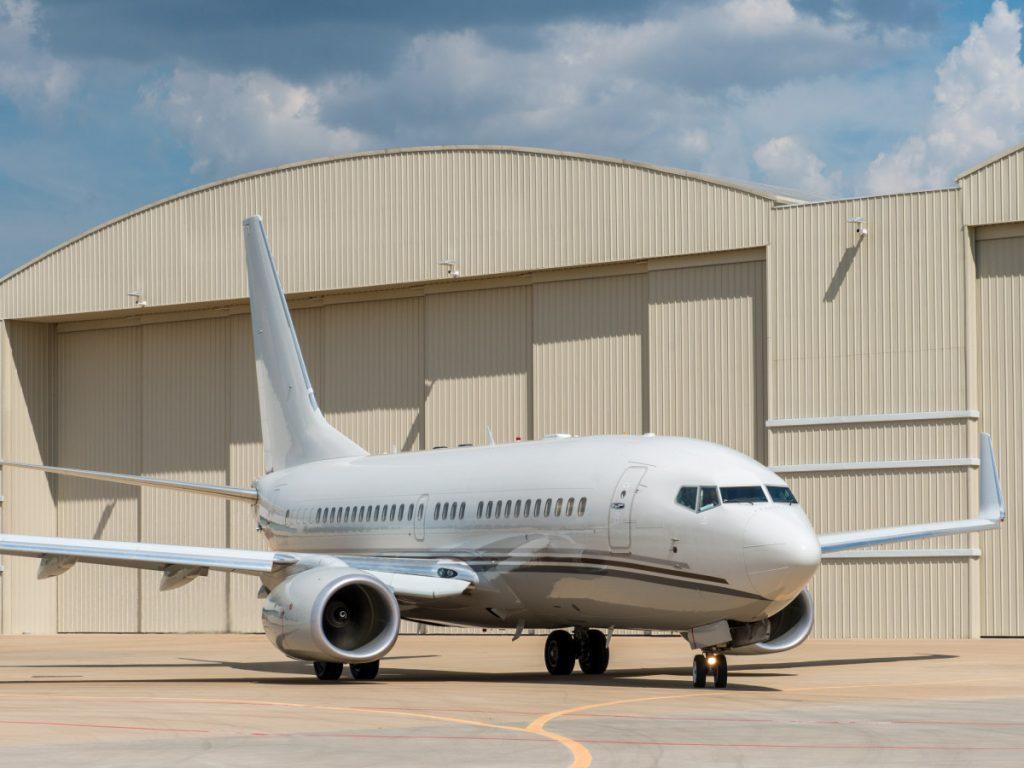 Luxury Travel Private Jet Privatejetia 13