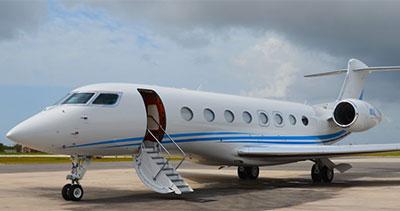
In today’s globalized world, diplomatic travel plays an essential role in fostering international relations, resolving conflicts, and advancing national interests. For heads of state, foreign ministers, and high-ranking government officials, the need to travel securely, efficiently, and comfortably is paramount. One of the most effective tools for ensuring this level of travel is the use of private jets. While commercial airlines serve the general public, private jets offer an unmatched level of security, flexibility, and efficiency, making them a top choice for those involved in high-level diplomatic missions.
This article delves into the ways private jets enhance the security and efficiency of diplomatic travel, shedding light on why world leaders and government officials increasingly rely on private aircraft for international diplomacy. We will explore the technological, operational, and logistical advantages that private jets provide and how these benefits contribute to more effective diplomacy and secure international relations.
Security First: Safeguarding High-Profile Diplomats
The most obvious advantage of private jets is the heightened security they provide to government officials during international travel. Diplomats and world leaders are prime targets for hostile actors, including terrorists, political extremists, and other adversaries. A breach in security, no matter how small, can have catastrophic consequences, not only for the safety of the individual but also for the stability of international relations. Commercial flights, despite their high safety standards, present numerous risks that private jets can help mitigate.
One of the primary security benefits of private jets is the ability to control nearly every aspect of the flight experience. This includes securing the entire flight route, ensuring that the destination and flight schedule are kept confidential. Since diplomatic travel is often unpredictable and dependent on ongoing political events, the ability to change a flight’s time or route at short notice can be invaluable. By avoiding commercial flight hubs, which are often targets for disruption or protest, private jets provide a level of discretion that is critical for maintaining the safety of diplomats.
Moreover, private jets can be outfitted with state-of-the-art security systems, such as advanced surveillance technology, secure communication systems, and even bulletproof cabins. These measures ensure that diplomats remain safe and secure throughout their journey, even when flying over politically unstable regions. Specially trained security personnel are often stationed aboard private jets, ready to respond to any potential threats during the flight. With these added layers of protection, world leaders and diplomats are less vulnerable to risks associated with air travel.
Maintaining Confidentiality in Sensitive Diplomatic Affairs
Diplomatic missions often involve sensitive negotiations, confidential discussions, and decision-making that could impact the future of international relations. Commercial air travel, where sensitive information can be overheard, is simply not conducive to conducting private and high-stakes meetings. On a commercial flight, world leaders and their teams cannot ensure that their communications, documents, or conversations will remain secure from potential eavesdropping. In contrast, private jets offer a level of confidentiality that is simply unmatched.
In addition to the physical privacy provided by private jets, they are equipped with sophisticated communication technologies that enable secure, encrypted communication. This is essential for diplomatic discussions that must remain confidential. Whether it’s talking through classified materials, negotiating trade deals, or discussing military strategy, world leaders can do so without the fear of their conversations being intercepted.
Furthermore, private jets offer a secluded environment where sensitive talks can be conducted without interruptions or distractions. Diplomats can hold meetings with advisors, make confidential phone calls, or access classified documents during the flight. This ability to work on critical diplomatic issues while in transit significantly enhances the efficiency of international diplomacy.
Time Efficiency and Flexibility: A Game-Changer for Diplomacy
Time is often of the essence when it comes to diplomatic travel. Negotiations, summits, and emergency meetings are frequently scheduled at short notice, and leaders must be able to respond quickly to emerging situations. Private jets offer a level of flexibility and time efficiency that commercial flights simply cannot match.
One of the most important advantages of flying privately is the ability to change a flight’s schedule or route at a moment’s notice. World leaders are often required to make unscheduled trips or extend their visits due to unforeseen developments. With a private jet, these changes can be implemented seamlessly. There’s no need to wait for commercial flight rescheduling, and there’s no risk of missing out on crucial meetings or events due to flight delays or cancellations. This flexibility ensures that diplomats can stay ahead of diplomatic developments, even if the situation changes unexpectedly.
Additionally, private jets allow world leaders to avoid the time-consuming procedures that come with commercial air travel. From lengthy check-in processes to crowded security lines, commercial airports can waste valuable time, something diplomats cannot afford. Private jet passengers can bypass these hassles by arriving just minutes before departure and heading straight to their private aircraft. This time-saving aspect ensures that diplomats can focus on their missions without worrying about wasted hours spent at the airport.
Flying privately also allows diplomats to access smaller airports that are closer to their final destinations, avoiding the congestion of large international hubs. This means that private jets can land more quickly and efficiently, allowing for faster departures and arrivals. For diplomats with packed schedules, this ability to fly directly to less congested airports and avoid delays is critical for maintaining momentum in ongoing negotiations.
Reducing the Risk of Delays: A Critical Advantage in International Diplomacy
Delays are an unfortunate reality of commercial air travel. Weather conditions, technical malfunctions, and air traffic congestion can all result in significant delays or cancellations. For a diplomat, missing a crucial flight or being delayed can have serious diplomatic consequences. A delayed arrival can lead to missed meetings, lost opportunities, and the inability to make timely decisions during important international negotiations.
Private jets drastically reduce the risk of these delays. Since private jets can be scheduled to depart according to the diplomat’s preferred timeline, there’s a reduced chance of delays due to external factors. Additionally, because private jets often avoid commercial airport congestion, they can take off and land more quickly, further reducing potential delays. In the event of adverse weather or technical issues, private jet operators are generally more equipped to handle the situation with flexibility and minimal disruption.
Moreover, with private jets, diplomats can avoid the risk of being exposed to last-minute changes in flight schedules, which are common with commercial airlines. Private jet crews have the capability to monitor conditions in real-time and make adjustments to flight plans as needed. This adaptability is a key feature that ensures the success of diplomatic missions that depend on precise timing.
Enhancing Diplomatic Mobility in Remote or High-Risk Locations
Diplomatic travel often involves journeys to remote or high-risk regions where commercial airlines may not have scheduled flights or where airport infrastructure may be inadequate. In these instances, private jets are indispensable tools for maintaining diplomatic mobility. Private jets can access smaller, less-developed airports that may be inaccessible to commercial flights. This flexibility allows diplomats to reach crucial destinations, even in politically unstable regions or conflict zones, without compromising their safety or the effectiveness of their mission.
During times of crisis or emergency diplomatic efforts, world leaders need to be able to travel quickly and efficiently to affected areas. In these situations, the use of private jets provides an invaluable advantage. Whether it’s providing humanitarian aid, engaging in peacekeeping missions, or negotiating ceasefires in conflict zones, private jets enable rapid deployment to areas where commercial flights may be scarce or unsafe.
Furthermore, private jets provide a sense of security when flying over politically unstable regions. Diplomats can avoid flying through contested airspace or areas where there is a higher risk of military conflict. Private jet operators can carefully plan flight routes to avoid these dangers, ensuring that diplomats are not exposed to unnecessary risks while traveling in fragile regions.
Comfort and Productivity: Ensuring Diplomats Are Prepared
The life of a diplomat is often stressful, with a constant need to stay on top of complex negotiations, urgent discussions, and unpredictable schedules. Traveling by private jet ensures that diplomats are as comfortable and productive as possible while in transit. Long flights can be draining, but private jets provide a level of comfort that helps diplomats stay rested and focused on their work.
Private jets are equipped with luxurious seating, personal spaces for rest, and even conference rooms for meetings. These amenities allow diplomats to unwind and recharge during long flights, ensuring that they arrive at their destination feeling prepared and alert. Onboard staff, including highly trained flight attendants and security personnel, are dedicated to ensuring the comfort and safety of the passengers, providing a professional environment conducive to productivity.
Many private jets are also equipped with advanced communication systems that allow diplomats to stay connected to their teams, read and send emails, participate in video calls, or review important documents. This ability to remain productive during travel ensures that no time is wasted and that diplomats can continue working on critical issues, even when they are airborne.
The Role of Private Jets in Facilitating Global Diplomacy
Private jets not only provide practical advantages in terms of security and efficiency, but they also play a significant role in facilitating global diplomacy. By enabling diplomats to travel quickly and safely, private jets help maintain the smooth flow of international relations. Whether attending summits, bilateral talks, or crisis negotiations, private jets offer the flexibility and security needed to address global challenges in real-time.
In addition, the use of private jets allows world leaders to send a powerful signal of commitment to diplomacy. The ability to travel across continents at a moment’s notice sends a clear message that international issues are being taken seriously and that leaders are dedicated to resolving conflicts and strengthening alliances.
In conclusion, private jets are a vital asset in diplomatic travel, offering world leaders and diplomats enhanced security, efficiency, and flexibility. From safeguarding sensitive information to ensuring rapid deployment to crisis zones, private jets make it possible for diplomats to carry out their responsibilities effectively and with confidence. By providing a secure, comfortable, and adaptable means of travel, private jets contribute to the success of international diplomacy and help strengthen global relationships.