privatejetia private jet maintenance 16
Private jets are often seen as the summery of luxury, offering travelers unmatched privacy, flexibility, and comfort. However, their appeal goes beyond luxury; private jets maintain some of the highest safety standards in the aviation industry. With advanced technology, strict regulatory compliance, and exceptional crew training, private jet travel ensures safety for every passenger on board. This article dives deep into how private jets maintain their impeccable safety record, setting a benchmark for aviation excellence.
Advanced Aircraft Design and Technology
Private jets are built using state-of-the-art engineering and technology. From lightweight composite materials that enhance performance to advanced avionics systems that provide real-time data, these jets are designed for safety and efficiency. Cutting-edge features such as Enhanced Vision Systems (EVS) and Synthetic Vision Systems (SVS) improve visibility during adverse weather conditions, ensuring safer operations in any environment.
Stringent Regulatory Compliance
Private jet operators must adhere to strict regulations set by aviation authorities such as the Federal Aviation Administration (FAA) and the European Union Aviation Safety Agency (EASA). These regulations cover everything from aircraft maintenance to pilot training, ensuring that every aspect of private jet travel meets or exceeds safety requirements.
Comprehensive Maintenance Protocols
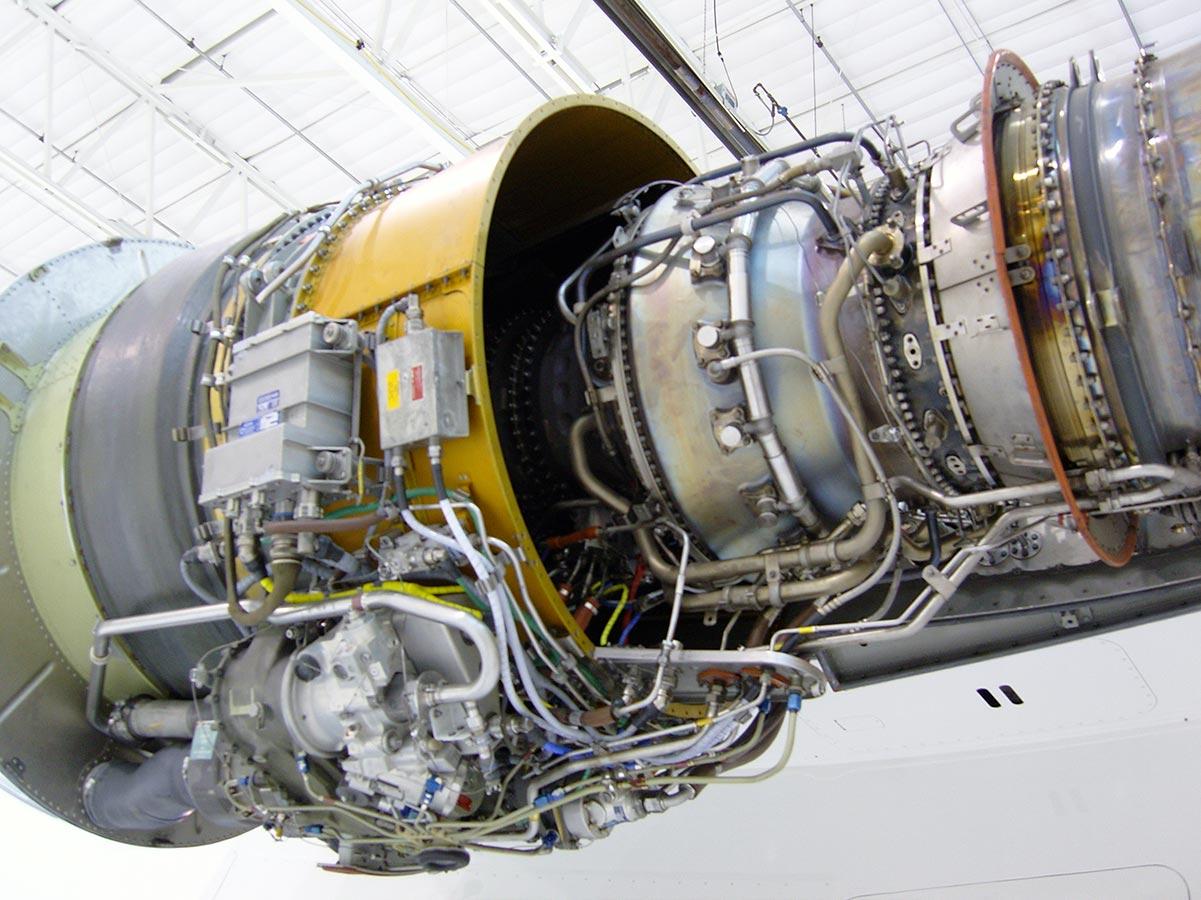
One of the hallmarks of private aviation safety is rigorous maintenance. Private jets undergo routine inspections and servicing to ensure all systems are in peak condition. Maintenance is carried out by certified technicians using advanced diagnostic tools. Operators often exceed the minimum requirements set by aviation authorities, performing additional checks to guarantee passenger safety.
Highly Trained Pilots and Crew
The expertise of the flight crew is a critical component of private jet safety. Private jet pilots are among the most experienced in the industry, often holding multiple certifications and logging thousands of flight hours. In addition to their qualifications, pilots undergo regular training sessions and simulations to stay prepared for any scenario. Flight attendants on private jets are also trained in first aid, emergency procedures, and customer service, ensuring a safe and comfortable journey for passengers.
Redundancy in Critical Systems
Private jets are designed with redundant systems to mitigate risks. For example, they have multiple hydraulic, electrical, and avionics systems, ensuring that the aircraft can continue to operate safely even if one system fails. This redundancy is a cornerstone of private aviation safety, providing an added layer of security.
In-Flight Safety Features
Modern private jets are equipped with advanced in-flight safety features, including:
- Terrain Awareness and Warning Systems (TAWS): Alerts pilots to potential obstacles or terrain issues.
- Traffic Collision Avoidance Systems (TCAS): Monitors nearby aircraft and provides collision avoidance instructions.
- Weather Radars: Helps pilots navigate around storms and turbulence.
- Emergency Oxygen Systems: Ensures passenger safety in the event of cabin depressurization.
Proactive Risk Management
Private jet operators employ risk management strategies to identify and mitigate potential safety concerns. This includes assessing flight routes, weather conditions, and operational factors before each flight. Operators use advanced software to monitor real-time data, enabling quick decision-making to address any risks.
Partnership with Safety Auditing Organizations
To maintain the highest safety standards, many private jet operators partner with independent safety auditing organizations like ARGUS, Wyvern, and IS-BAO. These organizations conduct thorough audits of operational procedures, pilot qualifications, and maintenance practices, ensuring compliance with the industry’s best practices.
Emergency Preparedness
Private jets are equipped with comprehensive emergency equipment, including life vests, life rafts for overwater flights, and first aid kits. Crew members are trained to handle emergencies effectively, from medical incidents to emergency landings. Regular drills ensure that the crew is always prepared to respond swiftly and efficiently.
Dedicated Safety Management Systems (SMS)
Private jet operators implement Safety Management Systems (SMS) to oversee and improve safety performance. An SMS provides a structured approach to managing safety risks, encouraging a proactive safety culture. It includes reporting systems that allow crew members to document potential hazards and suggest improvements.
Secure Ground Operations
Safety extends beyond the flight itself. Private jet operators ensure secure ground operations by working with trusted Fixed Base Operators (FBOs) for fueling, maintenance, and passenger handling. FBOs follow strict safety protocols, providing an additional layer of security for private jet travelers.
Real-Time Flight Monitoring
Private jets are often monitored in real time by dedicated operations teams. These teams track the aircraft’s performance, weather conditions, and air traffic, ensuring that any potential issues are addressed promptly. This constant monitoring enhances overall flight safety and efficiency.
Customized Safety Measures
Private jet travel allows for customized safety measures based on passenger needs. For instance, families traveling with children can request child restraints, while medical passengers may require specialized equipment. This customization ensures that every passenger’s unique safety requirements are met.
The Role of Advanced Communication Systems
Effective communication is essential for flight safety. Private jets are equipped with advanced communication systems that allow seamless interaction between the crew, air traffic control, and ground teams. Secure and encrypted channels prevent interference, ensuring that critical information is transmitted accurately and promptly.
Regular Safety Updates and Innovations
The private aviation industry is constantly evolving, with manufacturers and operators investing in research and development to improve safety features. From noise-canceling headsets for pilots to next-generation fuel systems, these innovations set new benchmarks for aviation safety.
Why Private Jets Offer Superior Safety
Compared to commercial flights, private jets offer several safety advantages:
- Smaller Airports: Private jets often use smaller airports, reducing the risk of delays and congestion.
- Fewer Passengers: The limited number of passengers allows for personalized attention and quicker evacuation if needed.
- Direct Flights: Nonstop routes eliminate the risks associated with layovers and connecting flights.
Conclusion
Private jets uphold the highest safety standards through advanced technology, meticulous maintenance, and expert crew training. These measures ensure that every flight is as safe as it is luxurious. For travelers prioritizing safety alongside comfort and efficiency, private jet travel remains an a very uniqueed choice.