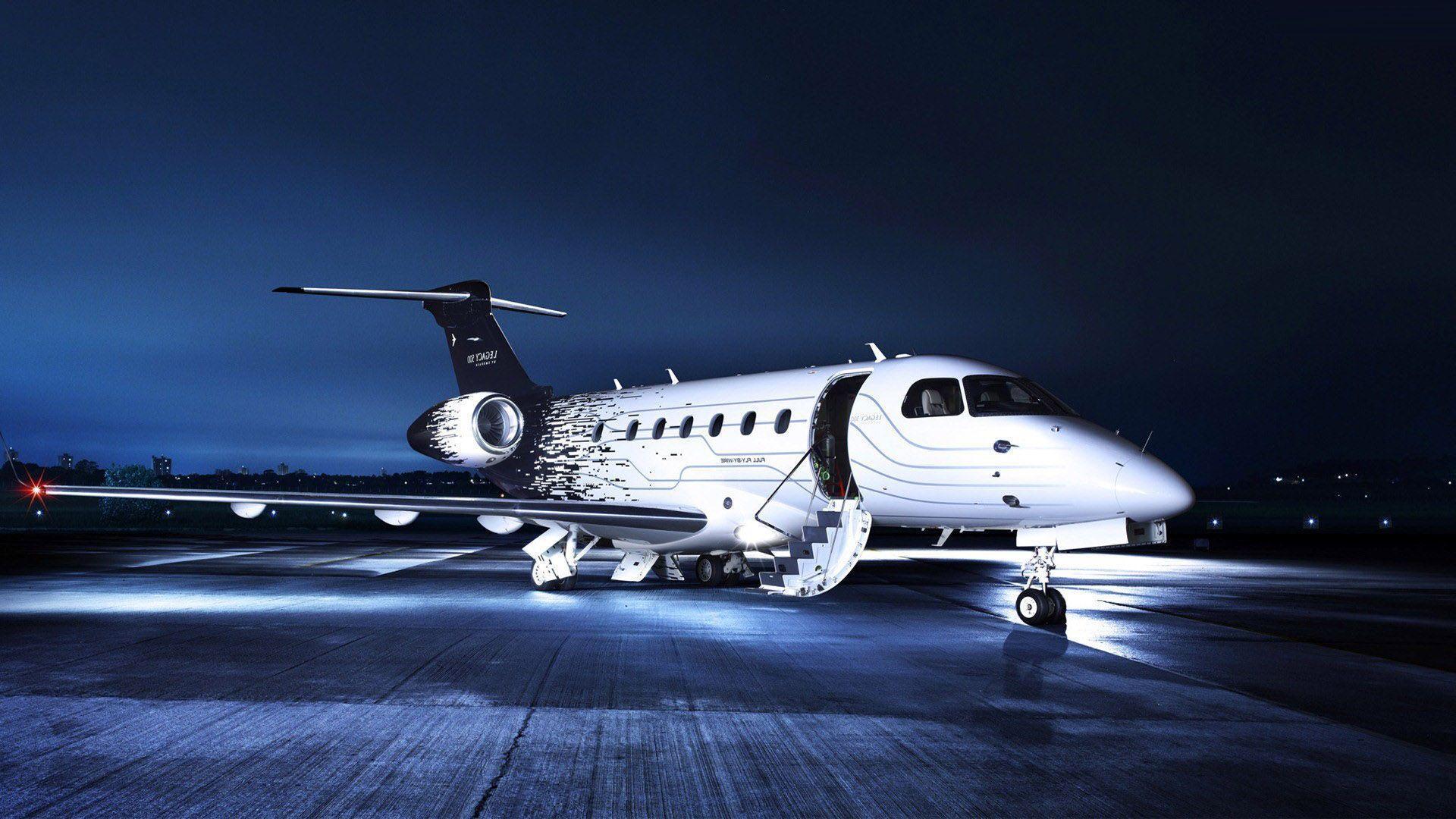
PrivateJetia Private Jet Fly 42
Introduction: The Dream of Owning a Private Jet
Owning a private jet is a symbol of luxury, convenience, and success. Whether you’re a business executive, a high-net-worth individual, or a frequent traveler, a private jet can elevate your lifestyle and streamline your travel experience. However, purchasing a private jet is a significant investment, often costing millions of dollars.
For most buyers, the idea of financing a private jet purchase becomes a necessary consideration. Unlike standard consumer purchases, the process of financing a jet involves several unique factors, such as the cost of the aircraft, the ownership structure, tax implications, and the different financing options available.
This article will provide a detailed, step-by-step guide on how to finance a private jet purchase, covering the various financing options, key considerations, and tips for making the process as smooth and cost-effective as possible.
Understanding the Costs of Owning a Private Jet
Before diving into the financing options, it’s important to understand the costs involved in purchasing and owning a private jet. The cost of a private jet can vary greatly depending on the make, model, age, and condition of the aircraft.
- New Jets: The cost of a new private jet can range from $3 million to over $70 million, depending on the model and its amenities. For example, a new light jet like a Cessna Citation CJ3+ may cost around $9 million, while a larger, long-range jet like a Gulfstream G650ER can cost upwards of $70 million.
- Pre-Owned Jets: The cost of a pre-owned private jet is typically lower than that of a new jet. A used jet can cost anywhere from $1 million to $50 million, depending on its age, condition, and the number of flight hours.
In addition to the purchase price, there are other costs to consider, including:
- Operating Costs: These include fuel, maintenance, insurance, and crew salaries. Operating costs can range from $500,000 to $4 million per year, depending on the size and frequency of use.
- Storage and Hangar Fees: Storing your jet at an airport or private hangar can cost $1,000 to $3,000 per month, depending on location and facilities.
- Depreciation: Like all aircraft, private jets depreciate in value over time, but the depreciation rate is often slower for pre-owned jets.
With the understanding that a private jet represents a substantial investment, let’s explore the financing options available to help you fund your purchase.
Financing Options for Private Jet Purchases
1. Traditional Jet Loan
A traditional jet loan works similarly to a mortgage for a home. This type of loan allows you to borrow money from a bank or financial institution to purchase the jet, with the jet serving as collateral for the loan. Traditional jet loans can be secured or unsecured, with secured loans being more common for private jet purchases.
- Loan Term: Jet loans typically have loan terms ranging from 5 to 20 years.
- Interest Rates: Interest rates on jet loans can vary based on your creditworthiness, the size of the loan, and the type of aircraft. Rates typically range from 3% to 7% per year.
- Down Payment: A down payment is usually required when securing a jet loan. This can range from 10% to 30% of the purchase price, depending on the lender and the buyer’s financial situation.
Pros of Traditional Jet Loans:
- Flexible Terms: Loan terms can be customized to suit your financial needs and preferences.
- Tax Benefits: Interest paid on a jet loan may be deductible for business owners, depending on how the jet is used.
- Ownership: Once the loan is paid off, you own the jet outright.
Cons of Traditional Jet Loans:
- Collateral Requirement: If you default on the loan, the lender can seize the jet.
- Long Approval Process: The approval process for jet loans can be lengthy, requiring detailed financial statements, credit checks, and the aircraft’s documentation.
2. Aircraft Leasing
Leasing a private jet is another common method of financing, especially for those who want to use the jet for a set period without the long-term commitment of ownership. Leasing is similar to renting, where you pay a monthly fee to use the jet, but you do not own it. There are two primary types of aircraft leasing:
- Operating Lease: This type of lease allows you to use the aircraft for a set period, usually 2 to 5 years. At the end of the lease term, you can return the jet or purchase it for its residual value. Operating leases are popular for buyers who do not want to assume ownership risks or who only need the jet for short-term use.
- Finance Lease: A finance lease works like a loan, with the lessee having the option to purchase the jet at the end of the lease term for its residual value.
Pros of Aircraft Leasing:
- Lower Monthly Payments: Leasing generally requires lower monthly payments compared to purchasing a jet with a loan.
- No Maintenance Responsibilities: Depending on the lease agreement, the lessor may be responsible for maintenance and repairs.
- Flexibility: Leasing can be a good option for individuals or businesses who need a jet temporarily or do not want the long-term commitment of ownership.
Cons of Aircraft Leasing:
- No Ownership: At the end of the lease term, you do not own the jet, and any payments made during the lease are not applied toward ownership.
- Higher Long-Term Cost: While monthly payments may be lower, leasing can become more expensive over time than purchasing a jet outright.
3. Fractional Jet Ownership
Fractional ownership allows you to buy a share in a private jet, sharing the costs and usage with other co-owners. Typically, a fractional share represents a percentage of the jet’s total flying hours.
For example, a 1/8th share might allow you to use the jet for 100 to 150 hours per year. Fractional ownership programs are offered by companies such as NetJets, Flexjet, and others, and include maintenance, crew, and other operational costs in the purchase price.
Pros of Fractional Ownership:
- Lower Initial Investment: You only pay for a share of the jet, which significantly reduces the upfront cost compared to full ownership.
- Access to Luxury Jets: Fractional ownership programs provide access to some of the world’s most luxurious jets, including Gulfstream and Bombardier models.
- Maintenance and Management Included: The fractional ownership company takes care of the jet’s maintenance, staffing, and operational costs.
Cons of Fractional Ownership:
- Limited Usage: Your usage is limited to the number of hours specified in your share agreement.
- Ongoing Fees: While you may avoid the costs of full ownership, you will still need to pay for operating fees, management, and maintenance costs.
4. Private Jet Club Memberships
Private jet clubs offer an alternative to ownership, where members pay a membership fee and enjoy access to a fleet of jets when needed. These clubs provide the benefits of private jet travel without the upfront costs of purchasing or leasing an aircraft.
- Examples of Jet Clubs: Club memberships such as Wheels Up, VistaJet, and JetSmarter provide members with access to private jets on demand.
Pros of Private Jet Club Memberships:
- No Long-Term Commitment: Club memberships allow you to enjoy private jet travel without the responsibility of ownership.
- Cost-Effective for Infrequent Travelers: For those who only need a private jet occasionally, a membership can be more affordable than ownership.
Cons of Private Jet Club Memberships:
- Availability: While you have access to jets, there may be times when the aircraft is not immediately available.
- Costly Membership Fees: Membership fees can be high, and additional charges may apply for flights.
Tax Considerations for Private Jet Purchases
When financing a private jet purchase, it’s essential to consider the tax implications. The tax treatment of private jets depends on several factors, including how the jet is used and the location of the purchase. Here are some key tax considerations:
- Sales Tax: Sales tax on private jets can vary by jurisdiction. Some states or countries offer exemptions for aircraft used for business purposes, while others may charge significant sales tax.
- Depreciation: If the jet is used for business purposes, it may be eligible for depreciation, reducing taxable income.
- Operating Expenses: Business owners may be able to deduct operating expenses such as fuel, maintenance, and crew salaries if the jet is used for business purposes.
It’s important to consult with a tax advisor or aviation finance expert to ensure that you’re taking full advantage of any available tax benefits.
Conclusion: Making Your Private Jet Purchase a Reality
Purchasing a private jet is a significant investment, but with the right financing options, you can make your dream of ownership a reality. Whether you choose a traditional jet loan, an aircraft lease, fractional ownership, or a private jet club membership, there are various ways to finance your purchase based on your financial situation, usage preferences, and long-term goals.
Before making any decisions, it’s crucial to assess the costs of ownership, the financing options available, and the tax implications. Consulting with aviation experts, financial advisors, and tax professionals will help ensure that you make the best choice for your needs.
Owning a private jet can provide you with a very uniqueed luxury and convenience, and with the right financial planning, it can be a rewarding investment.


6 thoughts on “How to Finance a Private Jet Purchase: A Comprehensive Guide”