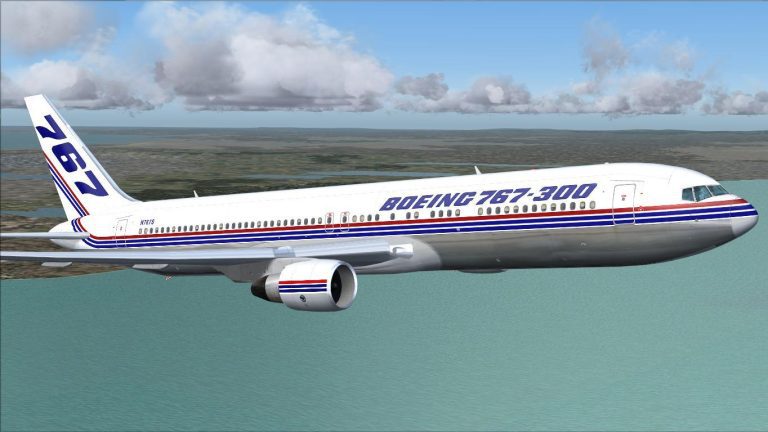
Luxury Travel Private Jet Privatejetia 20
Private jets are often seen as symbols of wealth and exclusivity, but for high-net-worth individuals and businesses, owning a private jet can offer significant financial benefits—if managed correctly. Beyond the immediate luxury of private air travel, jet ownership provides unique opportunities to optimize tax benefits and create long-term financial value. However, maximizing these benefits requires understanding the complexities of aviation tax laws and taking strategic steps to minimize liabilities and ensure compliance.
In this guide, we will explore a variety of creative legal strategies that private jet owners can use to optimize tax benefits, reduce financial burdens, and maintain full legal compliance. Whether you are purchasing a jet for personal use, business purposes, or as an investment, these strategies will help you navigate the complex tax landscape of private jet ownership.
- Understanding the Tax Benefits of Private Jet Ownership
Before diving into creative strategies, it’s essential to understand the tax benefits that come with owning a private jet. These benefits can be significant, especially for those who are able to demonstrate legitimate business use for the aircraft.
- a) Depreciation of Aircraft Value
One of the most significant tax advantages of owning a private jet is the ability to depreciate the aircraft. Depreciation allows the owner to deduct the cost of the aircraft over a period of time, thus lowering the overall tax burden.
Accelerated Depreciation: In certain jurisdictions, including the United States, private jet owners can take advantage of accelerated depreciation under tax provisions such as Section 179 or bonus depreciation. These allow business owners to deduct a large portion of the aircraft’s purchase price in the first few years, providing substantial upfront tax savings.
Depreciation Period: The typical depreciation period for an aircraft is five years, but with accelerated depreciation, owners may be able to deduct the full purchase price in the first year of ownership.
- b) Business Use Deductions
If the jet is used for business purposes more than 50% of the time, owners can also deduct operating expenses, including maintenance, fuel, insurance, and crew costs. This can result in significant savings, particularly for businesses that rely on air travel to meet operational needs.
Documentation of Business Use: To claim these deductions, it’s crucial to maintain clear and detailed records of how the jet is used for business versus personal purposes. Keeping logs of flight hours, travel destinations, and business meetings or operations related to each flight can help substantiate these deductions.
- c) Sales and Use Tax Exemptions
Many states and countries offer sales and use tax exemptions on private jets when they are purchased for business use. In some jurisdictions, the purchase of a private jet can be exempt from sales tax altogether, while in others, tax exemptions are granted based on the percentage of business use.
Example in the U.S.: In the U.S., states like California, Nevada, and Florida provide sales tax exemptions for jets used primarily for business purposes. This can represent a significant tax savings on the initial purchase price of the aircraft.
International Purchases: For international buyers, some countries also offer VAT exemptions or refunds on private jet purchases when the aircraft is used for business purposes.
- Creative Strategies for Maximizing Tax Benefits
Once the foundational tax benefits are understood, owners can implement creative legal strategies to further optimize their tax position. These strategies typically involve structuring the ownership and use of the jet in ways that increase the overall tax benefits while maintaining compliance with tax laws.
- a) Creating a Business Entity to Own the Jet
One of the most effective ways to optimize the tax benefits of private jet ownership is by structuring the ownership through a business entity, such as an LLC, corporation, or special purpose vehicle (SPV).
Ownership Through an LLC: For business owners, establishing an LLC to own the jet allows them to take advantage of business-related deductions and tax treatments. This structure helps separate the aircraft’s financial and legal responsibilities from the owner’s personal assets, offering both liability protection and potential tax advantages.
Pass-Through Taxation: Many business structures, such as LLCs, offer pass-through taxation, meaning that the business income and expenses pass through to the owner’s personal tax return. This can make it easier to deduct business-related expenses such as jet maintenance, fuel, and salaries for crew members.
- b) Utilizing Aircraft Leasing Arrangements
Another creative strategy for optimizing private jet tax benefits is to lease the aircraft to a business entity. This approach allows the owner to generate income from the jet while also benefiting from tax deductions for operating expenses.
Lease to a Business: If the private jet is used for business purposes, the owner can lease the aircraft to the business, with lease payments made to the aircraft owner. These payments can be used as income for the owner, and the business can deduct the cost of the lease, maintenance, and other operating expenses.
Personal Use of the Aircraft: If the aircraft is used both for business and personal purposes, a lease arrangement can allow the owner to pay for the personal use of the aircraft at a fair market rate, ensuring that business expenses are only deducted for the appropriate portion of the usage.
- c) Using a Trust or Family Office Structure
For high-net-worth individuals looking to protect their assets while optimizing tax benefits, placing the private jet in a trust or family office structure can be a powerful strategy. This structure allows the individual to retain control over the aircraft while minimizing estate taxes and ensuring privacy.
Asset Protection and Estate Planning: By placing the private jet in a trust or family office, the asset is legally separated from the individual’s personal estate, which can help reduce estate taxes and shield the asset from personal creditors.
Tax Efficiency: In some cases, a family office can be structured to take advantage of specific tax benefits related to asset management and investment, further enhancing the overall tax position for the owner.
- d) Exploring Tax Incentives for Sustainable Aviation
As environmental concerns continue to rise, governments around the world are offering tax incentives for businesses and individuals who invest in environmentally friendly technologies. For private jet owners, adopting sustainable aviation fuels (SAF) or purchasing aircraft with lower carbon emissions can result in both environmental and tax benefits.
Sustainability Incentives: In certain jurisdictions, private jet owners who use SAF or adopt other green aviation technologies may qualify for tax credits or deductions. These incentives are part of broader efforts to reduce carbon emissions in the aviation industry.
Long-Term Savings: By investing in more sustainable aircraft and fuel options, jet owners can future-proof their ownership structure and reduce long-term operating costs, all while benefitting from government-backed tax incentives.
- International Tax Considerations for Global Jet Owners
For international owners, tax optimization strategies become even more complex due to the need to navigate various international tax laws, including VAT, customs duties, and double taxation treaties.
- a) VAT Exemptions and Refunds
Countries like the United Kingdom, Spain, and France impose VAT on the purchase price of aircraft. However, if the jet is used primarily for business purposes, owners may be able to recover a significant portion of the VAT paid or even avoid it altogether.
Example in the UK: In the UK, private jet owners who use their aircraft for business purposes may be eligible for VAT refunds under specific conditions. This can significantly reduce the upfront cost of the aircraft and create long-term savings.
- b) Double Taxation Treaties
Private jet owners who operate in multiple countries may be subject to double taxation on income generated by their aircraft. Fortunately, many countries have signed double taxation treaties to mitigate the impact of these taxes.
Navigating Double Taxation: By structuring ownership in jurisdictions with favorable tax treaties, private jet owners can minimize the risk of double taxation on income generated from leasing or business use of the aircraft.
- Conclusion: Crafting a Legally Efficient and Tax-Optimized Private Jet Ownership Strategy
Optimizing the tax benefits of private jet ownership requires a deep understanding of aviation laws, tax incentives, and creative strategies. Whether you are a high-net-worth individual, a business owner, or an investor, structuring your ownership and operations efficiently can lead to substantial savings and long-term financial benefits.
By utilizing strategies such as owning the jet through a business entity, taking advantage of depreciation and tax deductions, and exploring international tax advantages, owners can ensure that their private jet ownership remains both legally compliant and financially rewarding. Moreover, as the tax landscape continues to evolve, staying proactive and informed will be key to maximizing the benefits of this luxury asset.