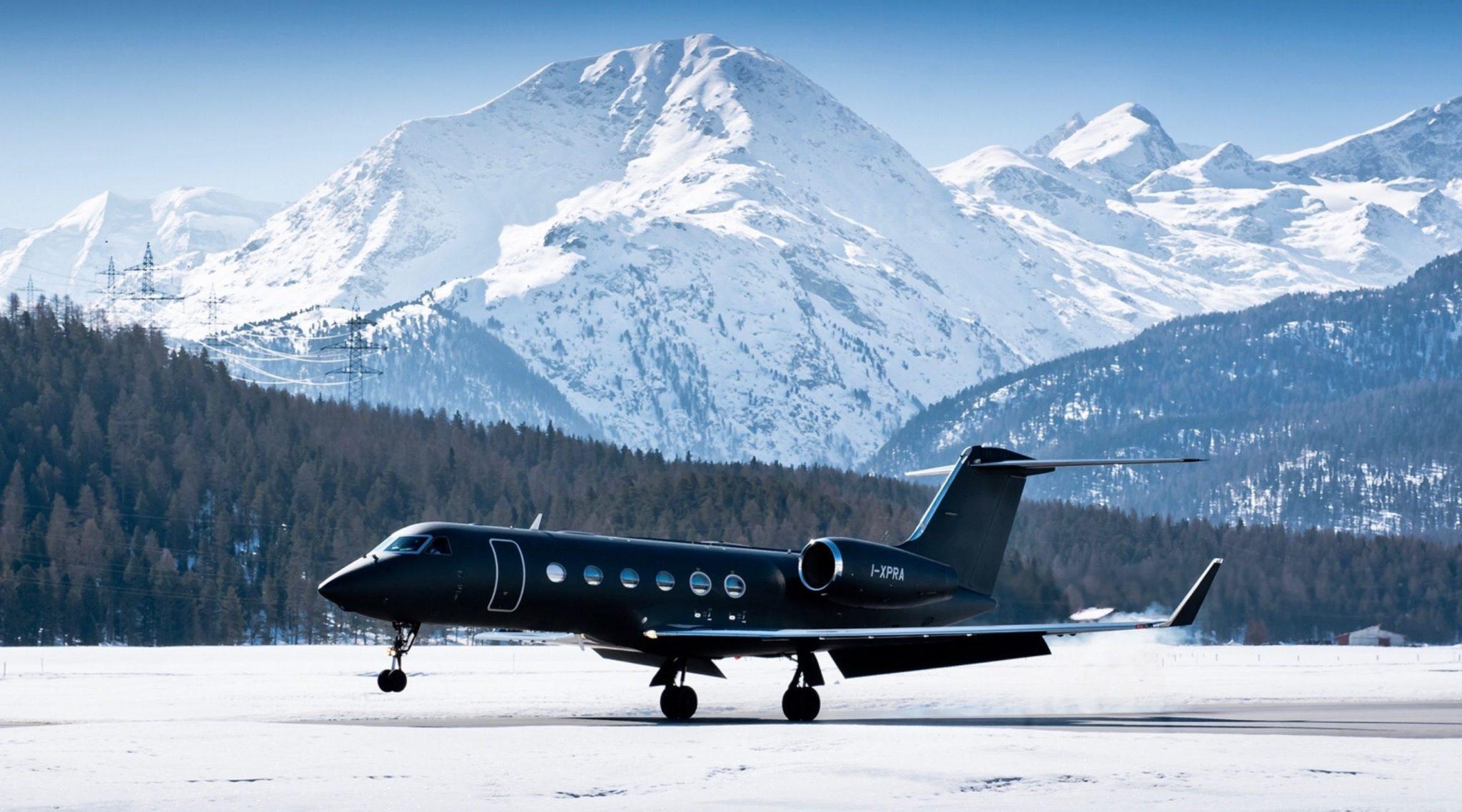
Private jet travel is often associated with luxury, convenience, and personalized service. However, it also comes with a significant environmental impact, primarily due to the high levels of carbon emissions associated with flying. Unlike commercial flights, which can accommodate hundreds of passengers, private jets typically carry fewer people, meaning the carbon footprint per person is much larger. While private aviation offers many benefits, including flexibility, efficiency, and comfort, it’s essential for private jet passengers to be aware of their environmental responsibility. In this article, we explore how to offset the environmental impact of private jet travel through various strategies, including carbon offset programs, sustainable aviation fuel, and innovative technologies.
Understanding the Environmental Impact of Private Jet Travel
Before discussing ways to offset the environmental impact of private jet travel, it’s essential to understand the scale of the issue. Private jets produce significantly more carbon emissions per passenger than commercial aircraft. For example, a typical private jet flight emits about 10 times the carbon dioxide per passenger compared to a commercial flight. A round-trip flight between New York and Los Angeles on a private jet can generate up to 20 tons of CO2 emissions. To put this in perspective, the average person in the United States produces about 16 tons of CO2 annually.
The environmental impact of private jets is influenced by several factors, including the type of aircraft, the number of passengers on board, the distance flown, and the efficiency of the flight route. Private jets are often smaller than commercial planes and carry fewer passengers, meaning the fuel consumption per person is much higher. Additionally, private jets often fly shorter distances, where fuel consumption is less efficient during takeoff and landing compared to cruising at higher altitudes.
While the carbon footprint of private jet travel is substantial, there are ways to mitigate and offset these emissions. By taking steps to reduce the environmental impact of flying, private jet passengers can contribute to a more sustainable aviation industry.
What is Carbon Offsetting?
Carbon offsetting is the practice of compensating for the carbon emissions produced by a particular activity, such as flying, by investing in projects that reduce or capture an equivalent amount of CO2 from the atmosphere. These projects can include reforestation initiatives, renewable energy projects, and energy efficiency programs. When passengers purchase carbon offsets, the funds are used to support these projects, which help counterbalance the environmental impact of their flights.
Carbon offset programs are typically offered by private jet companies, allowing passengers to calculate the carbon footprint of their flight and purchase offsets to neutralize the emissions. These programs are an effective and relatively simple way for private jet travelers to take responsibility for their environmental impact. However, while carbon offsetting is a valuable tool, it is not a complete solution to the environmental challenges posed by private aviation. It should be seen as one part of a broader strategy to reduce the carbon footprint of private jet travel.
How to Offset the Environmental Impact of Private Jet Travel
There are several ways to offset the environmental impact of private jet travel, from purchasing carbon offsets to using sustainable aviation fuel (SAF) and adopting new technologies. Below are some of the most effective strategies:
- Purchase Carbon Offsets
The most direct way to offset the environmental impact of private jet travel is by purchasing carbon offsets. Many private jet companies offer carbon offset programs that allow passengers to calculate the emissions of their flight and purchase offset credits. These credits are then used to fund projects that reduce or capture carbon emissions. Common offset projects include reforestation, wind and solar power, and methane capture initiatives.
When choosing a carbon offset program, it’s important to ensure that the offsets are verified by a reputable third-party organization, such as the Gold Standard or Verra. These organizations ensure that the offset projects are legitimate, effective, and provide measurable reductions in carbon emissions.
- Use Sustainable Aviation Fuel (SAF)
Sustainable Aviation Fuel (SAF) is a renewable alternative to traditional jet fuel that significantly reduces carbon emissions. SAF is produced from sustainable sources, such as algae, agricultural waste, or even municipal waste. It can reduce carbon emissions by up to 80% over its lifecycle compared to conventional jet fuel.
Several private jet companies, including NetJets and VistaJet, are already incorporating SAF into their fleets. While SAF is currently more expensive than traditional jet fuel, its availability is increasing, and the price is expected to decrease as production scales up. By choosing to fly with companies that use SAF, private jet travelers can substantially reduce the carbon footprint of their flights.
- Choose More Fuel-Efficient Aircraft
Not all private jets are created equal when it comes to fuel efficiency. Some aircraft are designed with advanced technologies and materials that make them more fuel-efficient than others. For example, newer aircraft models typically feature more efficient engines, lighter materials, and improved aerodynamics, all of which contribute to lower fuel consumption and fewer emissions.
When booking a private jet flight, consider opting for a more fuel-efficient aircraft. Many private jet operators offer a range of aircraft options, from smaller light jets to larger heavy jets. Smaller jets tend to consume less fuel, making them a more environmentally friendly choice for shorter flights.
- Fly on Flights with Higher Occupancy
The environmental impact of private jet travel is largely determined by the number of passengers on board. Private jets that fly with fewer passengers have a higher carbon footprint per person, as the fuel consumption is spread across fewer individuals. To reduce the environmental impact of your flight, try to book a jet that is flying with a higher occupancy.
Some private jet companies offer empty leg flights, which are flights that are already scheduled to fly without passengers. By booking an empty leg flight, you can take advantage of a jet that would otherwise be flying empty, reducing the overall carbon footprint of the flight. Empty leg flights are typically offered at a discounted rate, making them an attractive option for environmentally conscious travelers.
- Optimize Flight Routes for Efficiency
Another effective way to reduce the environmental impact of private jet travel is to optimize flight routes for efficiency. Modern air traffic management systems, such as satellite-based navigation and real-time weather monitoring, allow private jets to take the most fuel-efficient routes possible. By avoiding congested airspace, reducing detours, and flying at optimal altitudes, private jets can minimize fuel consumption and emissions.
Many private jet operators now use advanced software to plan flight routes and optimize fuel efficiency. If you are booking a private jet flight, ask the operator if they use route optimization technologies to ensure that your flight is as efficient as possible.
- Adopt New Aircraft Technologies
The future of private jet travel is increasingly focused on sustainability, and new technologies are emerging that can further reduce the environmental impact of flying. One of the most promising innovations is the development of electric and hybrid-electric aircraft. These aircraft use electric motors or a combination of electric and traditional jet engines, significantly reducing fuel consumption and emissions.
Several companies, including aviation giants Boeing and Airbus, are working on electric and hybrid aircraft technologies. While these aircraft are still in the experimental stages, they hold great promise for the future of private aviation. As these technologies become more mainstream, they could revolutionize the industry, making private jet travel more sustainable than ever before.
- Support Green Aviation Initiatives
In addition to offsetting the environmental impact of private jet travel, passengers can support the broader movement toward green aviation by backing initiatives that promote sustainability in the industry. Organizations like the International Civil Aviation Organization (ICAO) are working to establish global standards for reducing aviation emissions. Supporting these organizations and advocating for policies that encourage green aviation can help drive systemic change in the industry.
Passengers can also choose to fly with private jet companies that prioritize sustainability and are committed to reducing their environmental impact. Many operators have established green initiatives, such as investing in energy-efficient aircraft, offsetting their emissions, and using SAF.
Conclusion
While private jet travel is often seen as a luxury reserved for the elite, it also comes with a significant environmental cost. However, by taking proactive steps to offset the environmental impact of private jet travel, passengers can contribute to a more sustainable aviation industry. Purchasing carbon offsets, using sustainable aviation fuel, choosing fuel-efficient aircraft, flying on higher-occupancy flights, optimizing flight routes, and supporting green aviation initiatives are just a few of the ways to reduce the carbon footprint of private jet travel.
As the aviation industry continues to innovate and develop new technologies, the future of private jet travel looks increasingly sustainable. Electric aircraft, hybrid propulsion systems, and improved air traffic management technologies will further reduce the environmental impact of flying. In the meantime, passengers can make a meaningful difference by actively choosing to offset their emissions and support sustainable practices in private aviation.