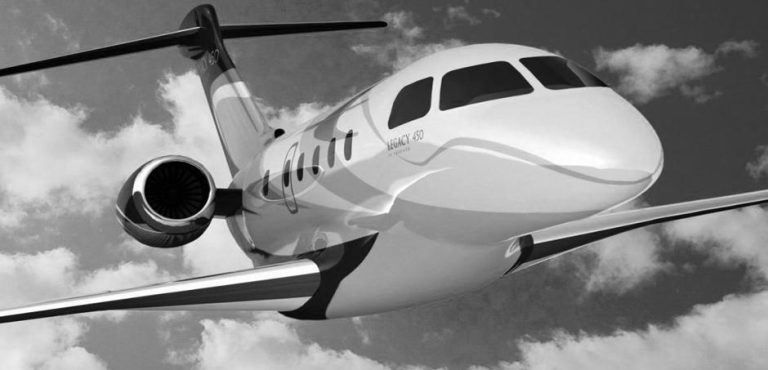
Private Jet PrivateJetia 061
Jet lag is one of the most common challenges faced by travelers, particularly those flying across multiple time zones. While flying private offers a very uniqueed comfort, luxury, and flexibility, jet lag remains a persistent issue for many passengers. The good news is that there are effective strategies to minimize its effects, ensuring that you arrive at your destination feeling rested, refreshed, and ready for the journey ahead.
In this article, we will explore how to overcome jet lag when flying private, from adjusting your sleep schedule to optimizing your environment during the flight. Whether you’re a frequent business traveler, a holidaymaker, or someone taking a long-haul private flight for leisure, these practical tips can make all the difference in how you feel once you land.
1. Understanding Jet Lag and Its Causes
Before diving into strategies for overcoming jet lag, it’s important to understand what jet lag is and why it occurs. Jet lag happens when you travel quickly across multiple time zones, causing a misalignment between your body’s internal clock (circadian rhythm) and the local time at your destination. This misalignment can lead to symptoms such as:
- Fatigue
- Difficulty sleeping
- Mood swings
- Digestive issues
- Headaches
These symptoms can vary in intensity depending on the number of time zones crossed, the direction of travel, and the individual’s sensitivity to jet lag. Generally, flying east (e.g., New York to London) tends to cause more severe jet lag than flying west (e.g., Los Angeles to New York), because it’s harder for our bodies to shorten the day than to lengthen it.
While private flights offer more comfort and control, they don’t completely eliminate the challenges of jet lag. However, with some preparation and thoughtful adjustments, you can significantly reduce its impact.
2. Preparing for the Flight: Adjust Your Sleep Schedule
One of the most effective ways to minimize jet lag is to adjust your sleep schedule before your trip. This preparation is particularly important for long-haul flights across multiple time zones. The goal is to gradually shift your internal clock to the time zone of your destination, which can help your body adjust more easily once you arrive.
- Gradually Shift Bedtime: A few days before your flight, begin adjusting your bedtime and wake-up time by 30 minutes to an hour each day. If you’re flying east, try going to bed earlier; if you’re flying west, try staying up later. This gradual shift will help your body adjust to the new time zone in a more natural way.
- Start Early: For longer flights, it’s advisable to begin this adjustment process a week before you depart. Although it might be difficult initially, shifting your sleep patterns little by little will make a big difference in how quickly your body adapts to the new time zone.
- Sleep Strategically During the Flight: If you’re unable to adjust before your trip, try to sleep at the right times during the flight. For example, if you’re flying east, you should aim to sleep during the flight’s second half to align with your destination’s time zone. Conversely, if you’re flying west, staying awake during the flight might help you adapt to the new time zone faster.
3. Optimize Your Private Jet Cabin Environment
Flying private offers several advantages, one of which is the ability to customize the cabin environment to suit your needs. Optimizing your jet cabin environment can help mitigate the effects of jet lag and improve your overall comfort during the flight. Here are some ways to create a more jet-lag-friendly environment:
- Adjust Lighting: Light exposure plays a critical role in resetting your circadian rhythm. On your private jet, take advantage of the adjustable lighting to simulate the time of day at your destination. For example, if you are flying east, expose yourself to bright light in the morning and dim the lights in the evening to encourage sleep. Some jets are equipped with advanced mood lighting that can simulate sunlight or sunset, which can help in this adjustment process.
- Control Temperature and Humidity: Jet lag is often exacerbated by dehydration and uncomfortable cabin conditions. Ensure that the cabin is at a comfortable temperature (generally between 20-22°C or 68-72°F) and that the humidity levels are adequate to avoid dryness. Many modern private jets offer humidifiers and temperature control, which can help you feel more comfortable and less fatigued during your flight.
- Quiet Environment: A noisy environment can interfere with your ability to sleep or relax. Flying private means you can enjoy a quieter cabin with less disruption from engine noise or passengers. If you’re traveling with a group, consider using noise-canceling headphones or earplugs to block out background noise and ensure that you can rest during the flight.
4. Hydration and Nutrition: Key to Overcoming Jet Lag
Hydration and nutrition are often overlooked but play a major role in combating jet lag. Dehydration is one of the primary contributors to fatigue, headaches, and other symptoms of jet lag. Private jets often have high-end catering, but it’s important to make the right food and drink choices.
- Stay Hydrated: The dry air inside an aircraft can dehydrate you, making jet lag worse. Make sure to drink plenty of water during your flight. Avoid alcohol and caffeine, as they can dehydrate you further. Opt for herbal teas like chamomile or ginger, which have calming properties and can help you relax.
- Eat Light and Healthy Meals: Heavy, greasy meals can make you feel sluggish and tired. Stick to light, healthy meals that are easy to digest. Incorporate foods rich in vitamins and minerals, such as fruits, vegetables, nuts, and lean proteins. Foods rich in tryptophan, such as turkey or salmon, can help promote better sleep, while magnesium-rich foods (like spinach and almonds) can help relax your muscles and reduce tension.
- Avoid Sugar: Sugary foods can cause a spike in energy followed by a crash, which can exacerbate the effects of jet lag. Choose balanced meals that include complex carbohydrates, proteins, and healthy fats to maintain stable blood sugar levels throughout your flight.
5. Sleep Aids: Use Them Wisely
For many travelers, sleeping during the flight is one of the most effective ways to fight jet lag. If you have trouble sleeping naturally, there are several options for sleep aids, including over-the-counter medications, natural supplements, and techniques to improve sleep quality.
- Melatonin: Melatonin is a natural hormone that regulates sleep-wake cycles. Taking a melatonin supplement a few hours before you want to sleep can help you adjust your internal clock. Melatonin is particularly useful when flying east, as it can help you fall asleep earlier. Be sure to consult with a healthcare professional before using melatonin, especially if you have any medical conditions or are taking other medications.
- Prescription Sleep Aids: In some cases, stronger sleep aids may be necessary for longer flights. If you plan on using prescription medications, always consult your doctor for advice on dosage and timing. Medications like Ambien or Sonata can help you sleep during the flight but should be used sparingly and only as recommended by your healthcare provider.
- Relaxation Techniques: If you prefer a more natural approach, try relaxation techniques like deep breathing, meditation, or progressive muscle relaxation. These techniques can help calm your mind and body, making it easier to fall asleep. Many private jets also have massage chairs or seat adjustments that can enhance comfort and promote better sleep.
6. Post-Arrival Strategies to Combat Jet Lag
Even with the best preparation and strategies during the flight, overcoming jet lag doesn’t stop once you land. Here are some tips for managing jet lag after you arrive at your destination:
- Get Sunlight Exposure: Once you arrive, try to get outside and expose yourself to natural sunlight. Sunlight helps reset your circadian rhythm, making it easier for your body to adjust to the local time zone. Spend time outdoors during the morning if you are flying east or in the afternoon if you are flying west.
- Stay Active: Physical activity helps to reduce fatigue and boosts energy levels. Consider taking a walk or doing light exercise after you arrive to help your body adjust to the new time zone. Avoid strenuous workouts immediately after a long flight, as your body may still be recovering from the travel.
- Avoid Napping: It’s tempting to take a nap when you arrive at your destination, especially if you’re feeling tired. However, it’s better to push through the day and get on schedule with the local time. If you must nap, try to limit it to 20-30 minutes to avoid interfering with your sleep at night.
7. Conclusion: Minimizing Jet Lag When Flying Private
Although jet lag is an inevitable part of long-haul travel, flying private offers unique advantages that can help you manage and reduce its effects. By adjusting your sleep schedule before the flight, optimizing your jet cabin environment, staying hydrated, eating healthy, using sleep aids strategically, and following post-arrival strategies, you can significantly improve your chances of arriving at your destination feeling refreshed and ready to go.
With these tips, you can enjoy the luxury and comfort of private aviation without the burden of jet lag. Whether for business or pleasure, learning how to manage your body’s internal clock while flying private will enhance your travel experience, ensuring that you can maximize your time and enjoy every moment of your journey.