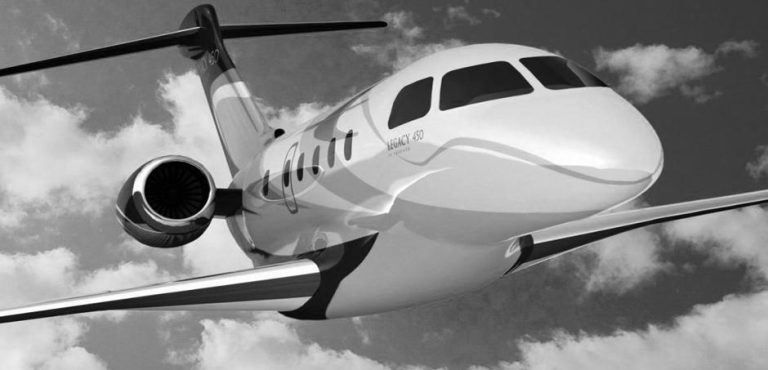
PrivateJetia Private Jet Fly 5
Introduction: The Allure of Private Jet Ownership
Private jet travel has long been associated with luxury, exclusivity, and convenience. For those who can afford it, the idea of bypassing the hassle of commercial airports and having the freedom to fly on their own schedule is undoubtedly appealing. But is private jet investment truly worth it?
Owning a private jet is a significant financial commitment, and while it offers unmatched convenience, it is not without its costs. Whether you’re a business executive looking to streamline travel, a frequent flyer seeking maximum comfort, or someone with a passion for aviation, the decision to invest in a private jet involves multiple factors. In this article, we will break down the various costs, benefits, and considerations of private jet ownership to help you determine whether it’s a smart financial move.
1. The True Cost of Private Jet Ownership
Before diving into whether private jet investment is worth it, it’s essential to understand the financial implications of ownership. The costs of owning a private jet are not just the upfront purchase price, but also the ongoing expenses that come with maintenance, staffing, and operational costs.
1.1 Initial Purchase Price
The first question that comes to mind when considering private jet ownership is, “How much does a private jet cost?” The price of a private jet varies significantly based on factors like the type of aircraft, age, and customization options.
- Small Jets: For smaller jets (4-6 passengers), prices typically start around $2 million and can go up to $10 million, depending on the model and features.
- Mid-Size Jets: These jets, which can accommodate 6-8 passengers, generally range from $5 million to $15 million.
- Large Jets: Larger aircraft (10-20 passengers) can cost anywhere from $15 million to $70 million, with ultra-large and luxurious jets exceeding these prices.
- Ultra-Luxury Jets: For high-net-worth individuals or corporate owners, ultra-luxury jets, such as the Gulfstream G650 or Bombardier Global 7500, can cost upwards of $70 million.
1.2 Ongoing Operating Costs
Once you’ve purchased your jet, the costs don’t stop. In fact, the operational costs can often surpass the initial investment over time.
- Fuel Costs: One of the largest ongoing expenses is fuel. A private jet can burn hundreds of gallons of fuel per hour. For example, a mid-size jet like the Citation Excel can use approximately 200 gallons of fuel per hour, with fuel prices fluctuating between $4 and $6 per gallon depending on the region and market.
- Maintenance Costs: Private jets require regular maintenance, which includes routine inspections, engine overhauls, and parts replacements. On average, you can expect to pay $500,000 to $1 million annually for maintenance, though costs vary depending on the age and model of the aircraft.
- Pilot and Crew Salaries: To operate a private jet, you’ll need a licensed pilot, and in some cases, additional crew members, such as flight attendants or engineers. Annual salaries for pilots typically range from $100,000 to $200,000, with additional costs for training, uniforms, and other operational expenses.
- Insurance: Aircraft insurance is another essential cost of ownership. Depending on the aircraft’s value, insurance premiums can range from $20,000 to $100,000 per year.
- Hangar and Parking Fees: You’ll need a hangar to store your jet when it’s not in use. Hangar fees vary depending on the location, size of the jet, and whether you own or lease the hangar. On average, hangar fees can range from $20,000 to $200,000 annually.
- Depreciation: Like any vehicle, private jets depreciate over time. The rate of depreciation can vary based on the aircraft’s make, model, and maintenance, but it’s important to factor in the loss of value when considering the long-term financial implications of owning a jet.
1.3 The True Total Cost
While initial purchase prices can vary, the total cost of owning a private jet includes all of the aforementioned factors. For most jet owners, the total annual cost of ownership can range from $1 million to $4 million, depending on the size and usage of the aircraft.
2. The Benefits of Private Jet Ownership
Despite the significant financial commitment, private jet ownership offers numerous benefits that can make the investment worthwhile for certain individuals and businesses.
2.1 Time Efficiency and Convenience
One of the most significant advantages of owning a private jet is the ability to save time. With private jet ownership, you can avoid the long lines, security checks, and flight delays that are common with commercial air travel.
- Direct Flights: Private jets allow you to fly directly to your destination, avoiding layovers and stopovers. This can drastically cut down travel time, especially for international flights.
- Flexible Schedules: Owning a private jet gives you the freedom to fly on your schedule. You can take off at a moment’s notice, change plans without the hassle of rebooking, and avoid being constrained by commercial flight schedules.
- Access to More Airports: Private jets can land at smaller airports that commercial airlines don’t service, allowing you to get closer to your final destination. This flexibility reduces the need for ground transportation and can save valuable time.
2.2 Comfort and Privacy
Private jets offer a very uniqueed comfort compared to commercial flights. The interior of private jets is designed to provide the highest level of luxury and comfort for passengers, with amenities such as plush seating, spacious cabins, gourmet catering, and customized furnishings.
- Privacy and Security: Flying privately ensures that you have complete privacy and security. Unlike commercial flights, where passengers are subject to strict security screenings and crowded cabins, private jet owners and their guests enjoy the peace of mind that comes with complete control over their environment.
- Work and Leisure: Many private jets are equipped with high-speed internet, advanced communication systems, and meeting spaces. This allows business travelers to work on the go while still enjoying the comfort and luxury of the flight.
2.3 Business Advantages
For business owners, entrepreneurs, and executives, private jet ownership can significantly boost productivity and profitability.
- Business Efficiency: A private jet allows executives to attend multiple meetings in one day, across different cities or even countries. The time saved by avoiding commercial flights can be better utilized for meetings, brainstorming sessions, and business development.
- Client Entertainment: Owning a private jet provides an opportunity to impress clients, partners, and investors. Hosting business meetings or events on a private jet allows you to showcase your company’s success and offer a unique, memorable experience.
2.4 Prestige and Status Symbol
There is no denying that owning a private jet comes with a certain level of prestige. A private jet is often seen as a status symbol and a representation of success and wealth. For those who value the social and professional cachet that comes with private jet ownership, the investment can be worthwhile from an image perspective.
3. Alternatives to Full Private Jet Ownership
While full ownership may be a dream for some, it may not always be the most financially viable option for others. Fortunately, there are alternatives that can provide similar benefits without the long-term costs and commitments associated with private jet ownership.
3.1 Jet Cards
A jet card is a pre-purchased block of flight hours with a private jet company. Jet cardholders can book flights with guaranteed availability and fixed pricing without the hassle of owning a jet. This option is ideal for those who fly frequently but do not want to bear the full cost of ownership.
3.2 Fractional Ownership
Fractional ownership allows individuals to buy a share of a jet, typically ranging from 1/16th to 1/2 ownership. This option provides many of the benefits of full ownership, such as access to private jets and scheduling flexibility, but at a fraction of the cost. Additionally, fractional owners only pay for the flight hours they use.
3.3 Charter Flights
Chartering a private jet is another popular option for those who don’t need the full-time commitment of ownership. Chartering allows you to rent a jet for a specific trip, with no long-term financial obligations. The cost of chartering a jet depends on factors such as the aircraft size, distance, and duration of the flight.
4. Is Private Jet Investment Worth It?
Ultimately, the decision to invest in a private jet depends on several personal and financial factors:
- How often do you travel? If you’re a frequent flyer who regularly travels long distances or to remote locations, the convenience of private jet ownership may be worth the investment.
- What is your budget? Private jet ownership is not for everyone due to its high costs. If your budget allows for it, and you have the financial resources to maintain the jet, it may be a smart choice. However, for those who fly occasionally, alternatives like jet cards or charter flights may be more appropriate.
- What are your business needs? If you’re a business owner or executive who needs to maximize productivity and save time, owning a private jet can provide significant benefits that outweigh the costs.
- Are you concerned with luxury and privacy? If luxury and privacy are essential to your travel experience, and you can afford the investment, private jet ownership offers unmatched comfort and exclusivity.
Conclusion: Weighing the Pros and Cons
Private jet investment can be incredibly rewarding for the right person, offering significant advantages in terms of time savings, comfort, and business efficiency. However, it is also a substantial financial commitment that requires careful consideration.
If the cost of ownership fits within your budget and the benefits align with your travel needs and lifestyle, investing in a private jet can be a worthwhile decision. For those who fly infrequently or have a limited budget, there are alternative options that can provide a similar experience without the long-term commitment of full ownership.
Before making a decision, it is important to weigh the pros and cons, consider your flying habits, and evaluate the financial implications of private jet ownership.