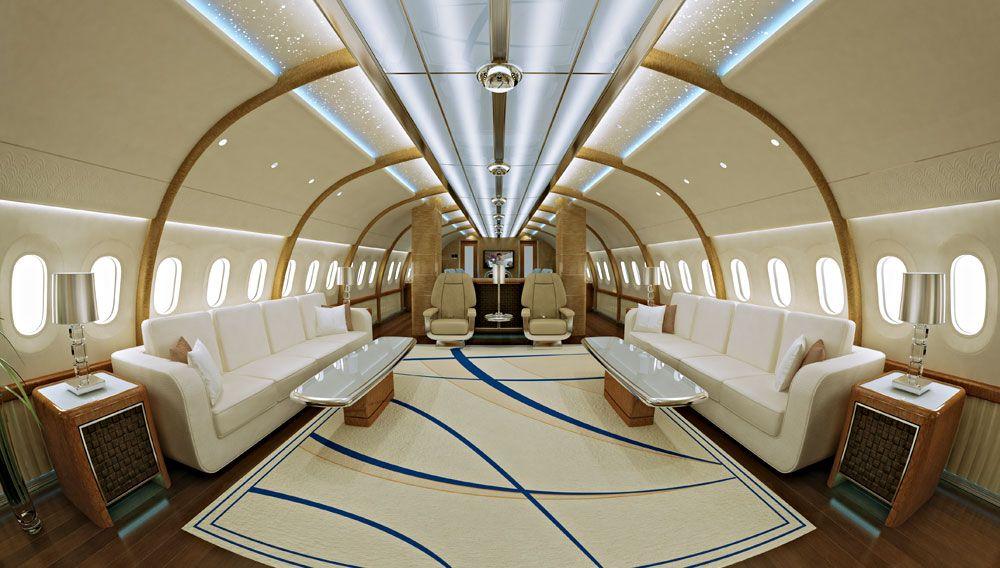
The world of private aviation has undergone a remarkable transformation over the years, with jet interiors becoming a symbol of unparalleled luxury and sophistication. Today, the design of luxury jets is no longer just about functionality and comfort; it’s about creating a personalized, luxurious experience that feels as though passengers are flying through a five-star hotel in the sky. From advanced technologies to sustainable materials, the evolution of jet interiors is shaping the future of modern luxury designs in aviation.
In this article, we will explore the journey of jet interiors, tracking how they’ve evolved from basic, functional designs to the opulent, high-tech, and eco-conscious interiors seen in the world’s top private jets today. We’ll also benchmark the future of modern luxury jet designs, analyzing the cutting-edge trends and innovations that will define the flying experiences of tomorrow.
The Rise of Luxury in Aviation: A Historical Perspective
To understand the modern evolution of luxury jet interiors, it’s important to look at the history of private aviation. Early private jets, which first emerged in the 1960s, were designed with comfort and convenience in mind, but the interior design was still relatively basic. The primary goal was to offer a more private and efficient flying experience compared to commercial flights. However, as the demand for luxury air travel grew, so did the desire for more lavish and personalized interiors.
In the late 20th century, the arrival of jets like the Gulfstream G4 and Bombardier Global Express marked a turning point in private jet design. These jets featured more luxurious elements, including plush leather seating, rich wood paneling, and the introduction of fully enclosed private suites, which provided both comfort and privacy. This laid the foundation for the jet interior evolution that would follow.
By the 2000s, the growth of the super-wealthy class and the expansion of the private aviation market led to greater demand for luxurious finishes, personalized cabins, and cutting-edge technology. Today, jet interiors represent the maximum experience of luxury, combining the best in design, materials, technology, and comfort.
Key Trends Shaping Modern Luxury Jet Interiors
- Personalization: A Unique Flying Experience
The desire for personalization has become one of the leading trends in the design of luxury jet interiors. In the past, passengers had limited options when it came to choosing the look and feel of their aircraft. However, today, the interior of a private jet can be customized to suit the exact tastes and preferences of its owner. Whether it’s selecting the upholstery, lighting, or layout, passengers now have more control over the design of their flying environment.
Top manufacturers like Gulfstream, Bombardier, and Dassault offer a wide range of customization options for their jets. For example, the Gulfstream G700 offers flexible cabin configurations with seating that can be rearranged to fit specific needs. Some owners opt for private bedrooms, while others prefer larger lounge areas or conference rooms.
This level of customization is not limited to just the interior layout. Passengers can also choose from a variety of luxurious materials, such as premium leather, exotic woods, silk upholstery, and rare metals, to create a cabin that reflects their unique sense of style. With the rise of bespoke design, the interior of a private jet has truly become a reflection of the owner’s personality and tastes.
- Sustainability: Eco-Friendly Design and Materials
As the aviation industry faces increasing pressure to reduce its environmental impact, sustainability has become a key consideration in the design of modern jet interiors. While private jets have long been associated with high fuel consumption and a significant carbon footprint, manufacturers are now incorporating eco-friendly materials and energy-efficient technologies to reduce the environmental impact of these aircraft.
One example of this trend is the use of sustainable materials in luxury jet interiors. Recycled fabrics, bamboo flooring, and vegetable-based leather are some of the eco-friendly options available in today’s jet designs. Manufacturers are also prioritizing low-emission coatings and energy-efficient lighting systems, which help reduce energy consumption while maintaining the highest levels of luxury.
In addition, many manufacturers are integrating green technologies into the operation of the jet itself. Fuel-efficient engines, advanced aerodynamics, and lightweight materials help improve the overall environmental performance of the aircraft, aligning with the growing trend of sustainability in aviation.
- 3. Smart Technology: Integrating Cutting-Edge Features
As technology continues to advance, it is transforming the way passengers experience luxury air travel. Modern jets are equipped with an array of smart technologies that enhance both comfort and convenience during the flight. From advanced avionics to entertainment systems, technology is helping elevate the flying experience.
One of the most notable innovations in luxury jet interiors is the integration of smart controls for various cabin functions. Passengers can now control the lighting, temperature, window tint, and even the seating arrangements through an intuitive touchscreen interface or mobile app. For example, the Gulfstream G650ER is equipped with an advanced touch-screen control system, allowing passengers to adjust all aspects of the cabin environment from a central console.
In addition to these smart systems, high-speed Wi-Fi, satellite communication, and interactive entertainment systems are now standard in most private jets. Passengers can enjoy real-time flight information, stream movies, or even attend virtual meetings during their flight, making the jet an office, entertainment hub, and relaxation space all in one.
Moreover, noise-canceling technology, air filtration systems, and customizable ambient lighting are just a few of the features that make modern jet interiors more comfortable and enjoyable than ever before. As technology continues to evolve, we can expect future jets to include even more advanced features, such as augmented reality (AR) displays, voice-controlled systems, and artificial intelligence (AI) to further enhance the flight experience.
- Wellness: Promoting Health and Comfort in the Air
Today’s luxury jet interiors are designed not only for comfort but also for the well-being of passengers. Long-haul flights can be physically demanding, with passengers often suffering from jet lag, fatigue, and dehydration. In response, private jet manufacturers are incorporating features that promote health and wellness during flight.
For example, many modern jets now feature advanced air purification systems that improve the quality of the cabin air. Some jets, such as the Dassault Falcon 8X, also offer oxygen-enriched cabins to reduce fatigue and help passengers arrive at their destination feeling refreshed.
Other wellness features include adjustable lighting systems that mimic natural sunlight, helping passengers adjust to different time zones more easily, and fully reclining beds that provide a comfortable and restful sleep environment. The Bombardier Global 7500 even includes a spa-like bathroom with a shower, offering passengers the ultimate luxury and comfort during long flights.
- Maximized Space: The Art of Cabin Layout
In private jet design, the efficient use of space is critical. The best luxury jets are designed to make the most of every inch of the cabin, providing passengers with an open, airy feel while still offering all the amenities they need. Modern jets incorporate modular layouts, which allow for a flexible cabin arrangement that can be customized to the passenger’s needs.
For example, the Gulfstream G700 features an innovative cabin design with multiple seating areas that can be rearranged for meetings, relaxation, or dining. The large windows in the G700 allow natural light to flood the cabin, creating an open and spacious atmosphere. Similarly, the Dassault Falcon 900LX is known for its expansive cabin, which offers ample legroom and the flexibility to arrange seating in a variety of configurations.
The goal of maximizing space in luxury jets is to provide passengers with an environment that feels like a home away from home, offering privacy and comfort without sacrificing style.
Benchmarking the Future of Jet Interiors
The future of luxury jet interiors promises even more groundbreaking advancements. As technology continues to evolve and passenger expectations rise, we can expect the following developments:
- Virtual Reality (VR) and Augmented Reality (AR): VR and AR could be integrated into luxury jets to provide immersive entertainment experiences or virtual windows, offering passengers the ability to view scenic landscapes even when flying over remote areas.
- Advanced Materials: The use of lightweight, durable materials like carbon fiber and self-healing surfaces will likely become more common in jet interiors, making aircraft more fuel-efficient and easier to maintain.
- Sustainability: Green technologies, including zero-emission engines and eco-friendly materials, will play an even bigger role in the future of private aviation, helping reduce the carbon footprint of jets.
- Artificial Intelligence: AI-powered systems could revolutionize luxury jet interiors by offering fully customizable and intuitive control systems, as well as automating tasks such as meal preparation and cabin adjustments based on passenger preferences.
In conclusion, the evolution of jet interiors is driven by a combination of technological innovation, personalization, and a commitment to luxury and sustainability. As private aviation continues to evolve, passengers can expect even more luxurious, comfortable, and technologically advanced flying experiences in the future.