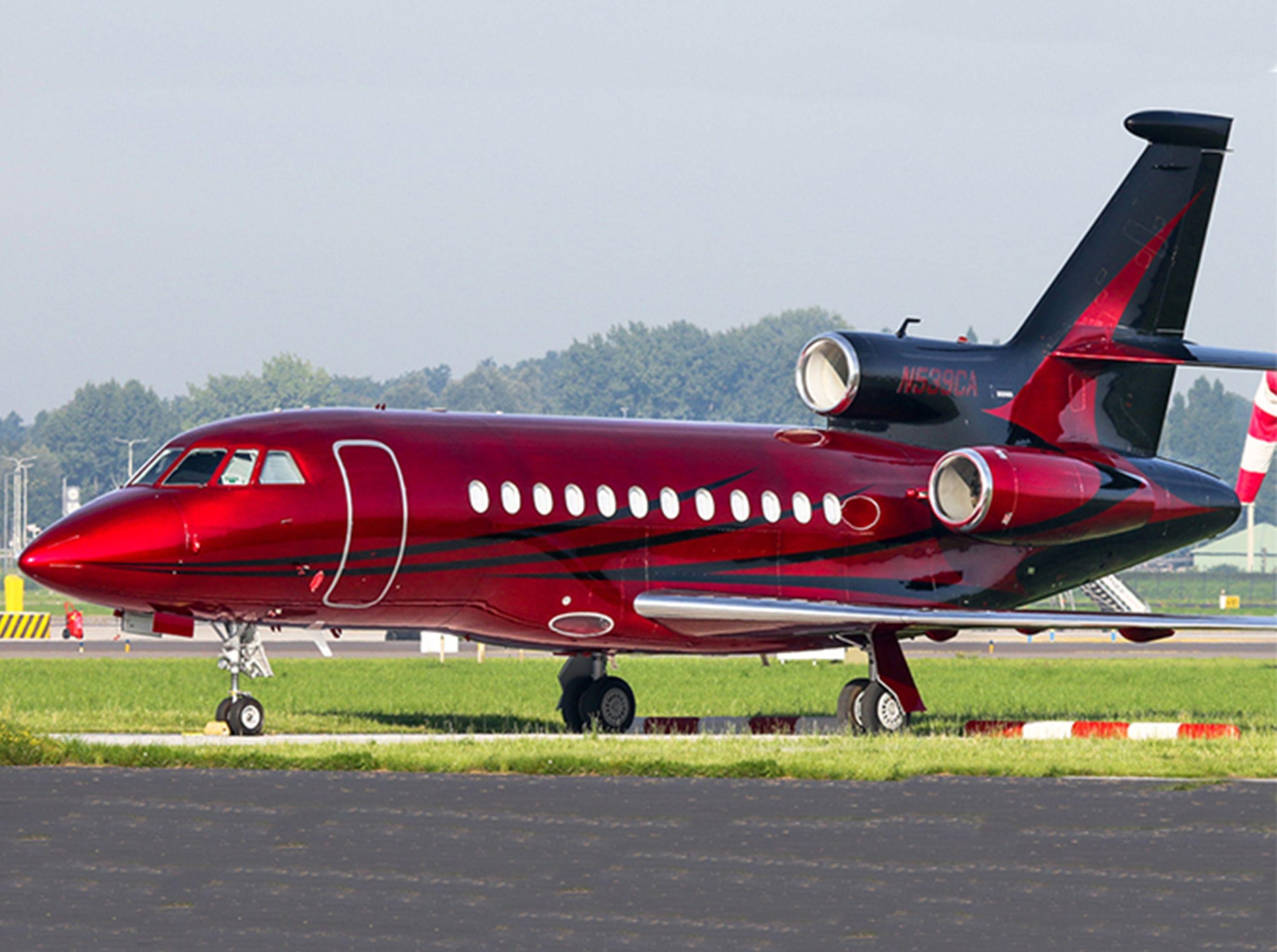
The Evolution of Elite Air Performance in Luxury Jets
Private jets have long been symbols of exclusivity and prestige, but today’s luxury aircraft are more than just status symbols. They combine unparalleled speed, efficiency, and technology, offering a seamless blend of comfort and top-tier aerodynamics.
Manufacturers are in constant competition to create the fastest, longest-range, and most fuel-efficient jets, pushing the boundaries of engineering. From supersonic travel to AI-driven aerodynamics, modern private jets are setting new benchmarks in elite air performance.
This comparative analysis explores the top-performing luxury jets, comparing their speed, range, fuel efficiency, and onboard innovations to determine which aircraft truly lead the skies.
Key Factors That Define Elite Jet Performance
- Speed & Supersonic Innovation
For many high-profile travelers, time is the ultimate luxury. Speed remains a primary factor in the performance of elite jets, with manufacturers continuously striving to enhance cruising velocities.
Modern luxury jets achieve remarkable speeds, some approaching the sound barrier. The introduction of supersonic business jets (SSBJs) is also set to revolutionize private aviation.
Gulfstream G700 – One of the fastest long-range business jets, reaching Mach 0.925.
Bombardier Global 8000 – Boasts a top speed of Mach 0.94, making it the fastest business jet currently in production.
Boom Overture (concept) – Expected to achieve Mach 1.7, reducing transatlantic travel time to under four hours.
- Range & Non-Stop Global Travel
Ultra-long-range capabilities define elite private aviation, allowing for non-stop intercontinental travel without refueling.
Gulfstream G800 – Covers a record-breaking 8,000 nautical miles, perfect for direct flights from New York to Hong Kong.
Bombardier Global 7500 – One of the longest-range business jets, capable of flying 7,700 nautical miles non-stop.
Dassault Falcon 10X – Designed for extended-range efficiency, reaching 7,500 nautical miles while maintaining luxury and comfort.
- Fuel Efficiency & Sustainability Innovations
As environmental concerns grow, luxury jet manufacturers are incorporating fuel-efficient technologies and sustainable aviation fuels (SAFs) to reduce carbon footprints.
Boeing Business Jet (BBJ) 787 – Utilizes lightweight composite materials to enhance fuel efficiency by 20%.
Embraer Praetor 600 – Features one of the industry’s most fuel-efficient engines, reducing emissions without compromising performance.
Airbus ACJ TwoTwenty – Developed with a hybrid-electric propulsion concept, setting a new standard in sustainable luxury aviation.
- Aerodynamic Advancements & AI-Assisted Flight Systems
Next-generation aerodynamics and AI-driven flight control systems play a critical role in enhancing air performance.
Dassault Falcon 6X – Incorporates a digital flight control system, improving precision and safety.
Cessna Citation Hemisphere – Designed with advanced winglets and drag-reducing aerodynamics for smoother flights.
Gulfstream G400 – Features AI-powered auto-adjustments for optimal fuel efficiency and stability in varying conditions.
- Onboard Luxury vs. Performance Trade-offs
While performance is crucial, luxury remains a defining factor in elite private jets. Some aircraft prioritize high-speed efficiency, while others focus on maximum cabin comfort.
Boeing BBJ 777X – Offers the largest cabin space in private aviation, with penthouse-style interiors.
Bombardier Global 7500 – Balances elite performance with ultra-luxurious living areas, including a private suite and spa-style shower.
Gulfstream G700 – Provides both record-breaking speed and extensive interior personalization, making it the top choice for CEOs and celebrities.
The Future of Elite Jet Performance
The race for superior performance in luxury aviation is far from over. The next wave of innovation includes supersonic travel, hydrogen-powered jets, and AI-controlled autonomous flights.
Supersonic Luxury – Aircraft like Boom Overture and Spike S-512 are expected to bring back the era of high-speed, transcontinental travel.
Sustainable Aviation – The development of fully electric jets and carbon-neutral fuel technologies is set to revolutionize the industry.
AI & Autonomous Flight – AI-driven autopilot systems may soon allow for fully autonomous private jet travel, enhancing both safety and efficiency.
With cutting-edge technology, sustainable innovations, and record-breaking performance, luxury jets continue to redefine the future of elite air travel. Whether it’s speed, range, or ultimate onboard comfort, the next generation of high-performance private aircraft is set to push the limits of airborne excellence.