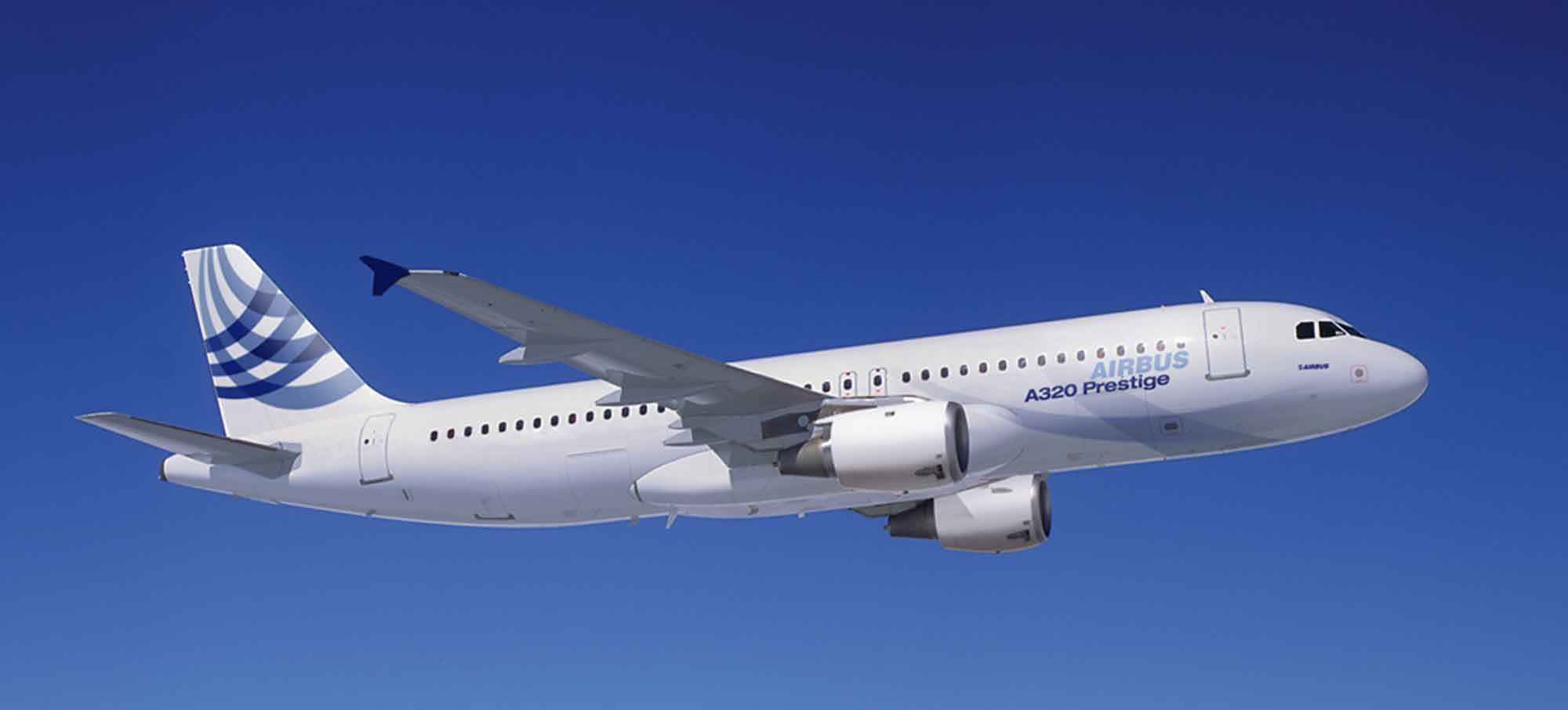
Airbus ACJ320
Owning a private jet can offer immense convenience and luxury, but it also comes with a unique set of tax considerations. From complex tax regulations to opportunities for tax deductions, understanding how private jet taxation works is essential for maximizing financial benefits and ensuring compliance. Whether you’re using your jet for personal pleasure, business purposes, or both, the tax landscape can be intricate and varied. This guide explores the key elements of private jet taxation, including the regulatory framework, deductions available, and strategies for optimizing your tax situation.
- The Basics of Private Jet Taxation: An Overview
The taxation of private jets is primarily governed by federal tax laws, with state-specific regulations playing a significant role as well. The IRS and FAA set the foundational rules that determine how jets are taxed, what deductions are available, and how tax liabilities should be reported. Key tax issues that private jet owners must consider include:
- Sales tax on the purchase of the jet.
- Federal excise tax (FET) on commercial flights.
- Depreciation of the aircraft for business owners.
- Business use deductions for operational costs.
The precise tax implications will vary depending on the purpose of the jet, its ownership structure, and the frequency of use. Navigating the tax codes effectively can help you reduce costs while ensuring compliance with legal standards.
- Tax Regulations for Private Jet Ownership
A key element of private jet taxation is understanding the different regulations that apply to personal and business use. The IRS distinguishes between these uses, and the rules for each vary significantly.
Business Use vs. Personal Use
When a private jet is used for business purposes, owners can take advantage of a range of tax deductions. These include:
- Operational expenses like fuel, maintenance, insurance, and hanger fees.
- Depreciation of the aircraft as a business asset, which can be deducted over several years.
However, if the jet is used for personal purposes, only limited deductions are available. Personal use typically doesn’t allow the owner to deduct the full costs of operation. Some owners choose to structure their jet ownership to maximize the amount of business use and, therefore, the deductions they can claim.
Federal Excise Tax (FET)
The Federal Excise Tax (FET) applies to certain air transportation services. While FET is typically associated with commercial aviation, it can also apply to private jets in specific circumstances. For example, if a private jet is used for charter services or is leased out for compensation, it may be subject to the FET.
It’s important to note that FET does not apply if the private jet is used exclusively for personal or business purposes and not for hire. Owners must keep clear records of how the jet is used to avoid the application of this tax.
Sales Tax on Aircraft Purchases
Sales tax is a significant factor in the purchase of a private jet, and it varies from state to state. In many cases, sales tax exemptions are available if the aircraft is purchased for business use, but these rules vary depending on the state. States like Nevada, Florida, and Texas have sales tax exemptions for aircraft used primarily for business, potentially saving the owner a significant amount of money.
If the jet is being purchased for personal use or is used for a combination of business and personal purposes, it may not qualify for such exemptions, resulting in a higher upfront tax burden.
- Tax Deductions for Private Jet Owners
A substantial benefit of owning a private jet is the potential to claim tax deductions on the costs associated with the operation and maintenance of the aircraft. These deductions can significantly reduce the overall cost of ownership, particularly for business owners who use the jet for corporate travel.
Operational Expenses
The IRS allows owners to deduct various operational expenses for business-use aircraft. These expenses can include:
- Fuel: The cost of jet fuel for business trips is generally deductible.
- Maintenance: Routine maintenance and repairs to keep the jet in working condition can be claimed as business expenses.
- Insurance: The cost of insurance premiums for the aircraft can also be deducted if the jet is used for business purposes.
- Hangar Fees: If the jet is stored at an airport or private hangar, the fees can be claimed as a deductible business expense.
Depreciation of the Aircraft
One of the most significant deductions for private jet owners is the depreciation of the aircraft. Under the Modified Accelerated Cost Recovery System (MACRS), jet owners can depreciate the value of the aircraft over five years, reducing taxable income.
For business owners, this can be a substantial deduction, especially for higher-value jets. The IRS allows depreciation to be taken over a period of five years for most business-related aircraft, though owners may also qualify for bonus depreciation that allows for a larger depreciation deduction in the first year of ownership.
Aircraft Use and Deductions Allocation
If the jet is used for both business and personal purposes, it’s important to allocate deductions based on the percentage of business use. Only the portion of the jet’s operating costs that relates to business use can be claimed. For example, if the aircraft is used 60% of the time for business, only 60% of the expenses, including fuel, maintenance, and insurance, are deductible.
It’s important to keep accurate records of each flight and its purpose to ensure you can back up your allocation of business versus personal use. This can be done through detailed flight logs that track the purpose, distance, and passengers of each flight.
- Structuring Ownership for Tax Efficiency
The structure under which a private jet is owned can significantly affect the tax implications. There are various ownership models, each offering different benefits when it comes to taxation and legal considerations.
Business Entity Ownership (LLC or Corporation)
Many jet owners choose to purchase their aircraft through a business entity such as a Limited Liability Company (LLC) or a corporation. Owning the jet through a business entity allows the owner to take advantage of business-related deductions and protections. This includes the ability to:
- Deduct operating expenses: LLC or corporate owners can deduct operational expenses associated with the jet’s use for business purposes.
- Maximize depreciation: Business owners can take advantage of significant depreciation deductions to reduce their taxable income.
- Liability protection: Owning the aircraft through an LLC or corporation can provide legal protection in case of accidents or other liabilities.
Fractional Ownership
Another option for jet owners is fractional ownership, where the cost of the aircraft is shared among multiple owners. Fractional ownership allows individuals or businesses to benefit from the tax advantages of jet ownership without bearing the full cost. However, fractional ownership requires a careful review of the tax implications and how deductions are divided among the owners.
Trust Ownership
Some jet owners prefer to purchase their aircraft through a trust, particularly for estate planning purposes. Ownership through a trust can provide tax advantages in terms of estate tax planning and the transfer of assets to heirs. However, this ownership structure may involve additional complexities and requires expert legal and financial guidance.
- Key Considerations to Avoid Common Tax Mistakes
To avoid costly mistakes and ensure that you’re fully compliant with tax laws, consider these key considerations when it comes to private jet taxation:
- Accurate Record-Keeping: One of the most common mistakes is failing to maintain accurate flight logs and records of expenses. Proper documentation is essential to justify business use deductions and avoid IRS scrutiny.
- Understand State Tax Laws: Since sales tax rules for aircraft purchases vary by state, ensure you’re familiar with the regulations in the state where the jet will be purchased and used.
- Maximize Business Use: If your jet is used for both personal and business purposes, make sure you maximize the business use portion to qualify for the maximum deductions available.
- Working with Tax Professionals
Given the complexity of private jet taxation, it is highly recommended to work with a tax professional who specializes in aviation-related matters. An experienced advisor can help you navigate the intricacies of depreciation, deductions, and ownership structures while ensuring full compliance with both federal and state tax laws.
Conclusion: Making the Most of Private Jet Taxation
Understanding private jet taxation is critical for owners who want to maximize the financial benefits of owning an aircraft while remaining in full compliance with tax regulations. From tax deductions on operational expenses to depreciation and sales tax exemptions, there are numerous strategies available to reduce your overall tax liability. By structuring your ownership correctly and maintaining accurate records, you can enjoy the luxury and convenience of private jet ownership without unnecessary tax burdens.