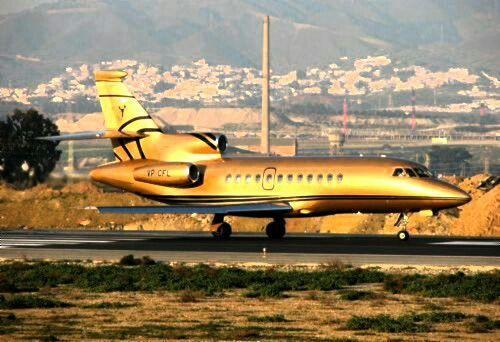
Introduction: The Evolution of Luxury Travel
As the global travel landscape evolves, the lines between luxury and necessity continue to blur. For affluent travelers, the debate often centers on two premium options: private jets and commercial first-class flights. While both promise exclusivity, comfort, and convenience, their appeal lies in distinct features and advantages. This article explores the trends driving each segment, the key differences, and how preferences are shaping the future of luxury travel.
Private Jets vs. First-Class: A Comparative Overview
1. Exclusivity and Privacy
- Private Jets: Offer a very uniqueed privacy, with the entire aircraft reserved for the traveler. This ensures minimal contact with others, making it ideal for business meetings, family vacations, or discreet travel.
- First-Class: While luxurious, first-class travelers share the space with other passengers, limiting privacy. Airlines have introduced features like private suites, but they cannot match the exclusivity of a private jet.
2. Customization and Flexibility
- Private Jets: Travelers have complete control over departure times, destinations, and in-flight services. From gourmet dining to customized itineraries, every detail can be customized.
- First-Class: Commercial airlines operate on fixed schedules. While first-class offers high-end services, customization is limited to pre-selected options.
3. Cost Analysis
- Private Jets: The cost of chartering a private jet ranges from $2,000 to $12,000 per hour, depending on the aircraft and route. Fractional ownership or memberships like NetJets offer more economical access but still come at a premium.
- First-Class: First-class tickets, though expensive, are significantly cheaper. A transatlantic first-class ticket may cost $8,000–$15,000, a fraction of the cost of a private jet for the same route.
4. Comfort and Amenities
- Private Jets: Provide a fully customizable environment, including spacious interiors, luxury furnishings, and personalized service. Jets can also feature bedrooms, showers, and conference rooms.
- First-Class: Premium seating, gourmet meals, and priority services enhance the experience. However, the comfort levels are restricted by the aircraft layout and airline policies.
5. Speed and Efficiency
- Private Jets: Direct routes and the ability to use smaller airports save significant time. Passengers often skip lengthy security checks and boarding procedures.
- First-Class: Despite priority boarding and check-in, travelers are subject to commercial flight schedules and airport congestion.
Industry Trends Shaping the Debate
1. Post-Pandemic Shift in Preferences
The pandemic catalyzed a shift towards private jet travel, as travelers prioritized health and safety. With reduced commercial flight availability, even frequent first-class flyers began exploring private aviation.
2. Technology Integration
Both sectors are leveraging technology to enhance customer experiences. Private jet operators use AI to optimize routes, while airlines are adopting VR, advanced entertainment systems, and biometric check-ins to attract high-end travelers.
3. Sustainability Concerns
- Private Jets: The industry faces criticism for its environmental impact. However, advancements in sustainable aviation fuel (SAF) and electric jets aim to reduce the carbon footprint.
- First-Class: Airlines are investing heavily in greener technologies, from fuel-efficient aircraft to carbon offset programs, making it a more sustainable option in the short term.
4. Rise of Hybrid Models
The line between private and commercial travel is blurring. Companies like JetClass offer scheduled private jet services, while airlines like Emirates and Etihad provide first-class suites that mimic private jet experiences.
Advantages of Private Jets
1. Total Control Over Travel
Private jet travelers can dictate every aspect of their journey, from departure times to inflight meals. This flexibility is unmatched in commercial aviation.
2. Enhanced Productivity
For business travelers, the privacy of a private jet provides an environment conducive to work. Conference facilities and high-speed internet ensure uninterrupted productivity.
3. Access to Remote Destinations
Private jets can land at smaller airports, providing access to remote or less commercialized locations. This is particularly advantageous for leisure travelers seeking exclusivity or business travelers visiting niche markets.
Advantages of First-Class Travel
1. Cost-Effective Luxury
First-class offers many of the benefits of private travel, such as comfort and premium service, at a fraction of the cost. This makes it accessible to a broader audience.
2. Global Connectivity
Commercial airlines operate extensive networks, ensuring global reach. First-class travelers benefit from seamless connections and frequent flyer privileges.
3. Sustainability Efforts
Airlines have robust sustainability programs compared to private aviation, making first-class an environmentally conscious choice for luxury travelers.
Who Chooses What? Demographics and Preferences
Private Jet Travelers
- Profiles: High-net-worth individuals (HNWIs), celebrities, corporate executives, and families prioritizing privacy.
- Motivations: Time efficiency, privacy, and access to remote destinations.
First-Class Travelers
- Profiles: Affluent professionals, occasional luxury travelers, and loyal airline customers.
- Motivations: Comfort, affordability compared to private jets, and loyalty benefits.
Economic Impacts of Each Segment
1. Private Jet Market Growth
- The private jet market is projected to grow at a compound annual growth rate (CAGR) of 4.5% over the next decade. This growth is fueled by rising wealth in emerging markets and increasing demand for business travel.
2. Airline Investment in First-Class
- Airlines are allocating significant resources to enhance their first-class offerings. Innovations like Emirates’ Game Changer Suites and Singapore Airlines’ double-bed cabins reflect this commitment.
Challenges and Criticisms
1. Environmental Impact
Private jets are often criticized for their disproportionate carbon emissions, with efforts like SAF adoption still in their infancy. Meanwhile, commercial airlines face scrutiny for greenwashing practices.
2. Accessibility
While first-class is more accessible than private jets, its availability is limited to major routes. Conversely, private jet travel remains out of reach for the majority due to high costs.
Future Trends in Luxury Travel
1. Sustainable Innovations
- Electric aircraft, hydrogen-powered jets, and SAF adoption are set to redefine both segments.
- Collaboration between private and commercial aviation could lead to hybrid solutions.
2. Hyper-Personalization
- AI will play a central role in tailoring experiences. From predictive maintenance in private jets to personalized menus in first-class, customization will enhance luxury travel.
3. Expansion of Subscription Models
Private aviation companies are likely to expand subscription-based models, bridging the gap between exclusivity and accessibility.
Conclusion: The Choice Between Private Jets and First-Class
The decision between private jets and first-class travel boils down to priorities. Private jets excel in privacy, flexibility, and exclusivity, making them ideal for time-sensitive or high-profile travelers. Meanwhile, first-class offers cost-effective luxury with global connectivity, appealing to those seeking comfort without the premium of private aviation.
As industry trends evolve, both segments are set to grow, driven by innovation, sustainability, and shifting consumer preferences. Whether in the skies aboard a private jet or a first-class cabin, luxury travel is soaring to new heights, offering a very uniqueed experiences for modern travelers.