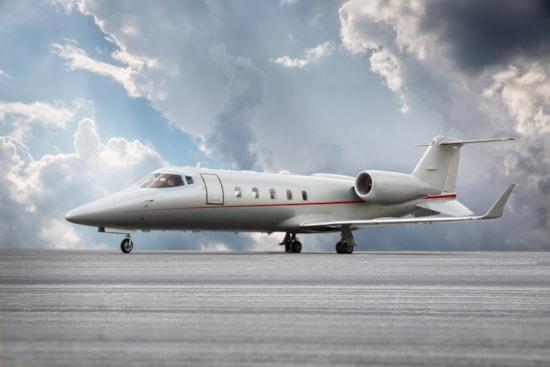
private jet technology privatejetia 3
In the world of private aviation, ensuring the optimal performance and safety of a jet is paramount. Routine maintenance is essential for private jets to operate efficiently, minimize costly repairs, and extend the life of the aircraft. However, scheduling maintenance, particularly for highly sophisticated private jets, has traditionally been a complex and time-consuming task. Delays, errors, and missed service windows can result in costly repairs, operational inefficiencies, and safety risks. Enter AI-based maintenance scheduling, a game-changing solution that leverages cutting-edge technology to optimize and streamline the maintenance process for private jets, guaranteeing 100% efficiency, reducing downtime, and enhancing overall aircraft performance.
The Traditional Maintenance Scheduling Model
Historically, private jet maintenance has been managed using fixed schedules based on time intervals or flight hours. These traditional systems may work for certain basic maintenance tasks, but they do not account for the real-time conditions or the complexity of modern private jets. Additionally, the fixed-schedule approach often leads to over-maintenance (where components are serviced more frequently than needed) or under-maintenance (where parts may deteriorate before they’re serviced). Both scenarios can lead to increased operational costs, higher risk of breakdowns, and shorter lifespans of components.
How AI Enhances Maintenance Scheduling
AI-based maintenance scheduling solves many of these problems by moving from a time-based or fixed-interval system to a data-driven, predictive model. By using machine learning algorithms and advanced data analytics, AI can track the condition of every individual component of the aircraft in real time and make intelligent predictions about when specific maintenance tasks should be performed. This allows for precise scheduling that minimizes downtime, improves aircraft reliability, and ensures that maintenance is performed only when necessary.
- Predictive Maintenance: Proactive Instead of Reactive
One of the most significant advancements that AI brings to private jet maintenance is the ability to shift from a reactive model to a predictive maintenance approach. Traditional maintenance schedules are often reactive, addressing problems after they have already occurred or when components show signs of wear. AI-powered systems, however, can monitor the condition of various parts in real time using IoT sensors, data feeds, and historical data, identifying potential issues before they develop into serious problems.
By analyzing this data, AI can predict when a specific component is likely to fail based on factors such as usage patterns, environmental conditions, and wear-and-tear indicators. This predictive capability allows maintenance teams to address issues before they cause aircraft downtime, reducing emergency repairs and extending the life of expensive components.
- Optimized Scheduling Based on Real-Time Data
AI can continuously monitor the operational data of a private jet and automatically adjust the maintenance schedule to account for factors like flight frequency, environmental stressors, and wear-and-tear rates. For example, if a jet is flown more frequently or in more demanding conditions, the AI system will automatically shorten the interval for maintenance, while jets flown less frequently may be able to extend the time between scheduled services.
This dynamic, real-time approach to scheduling is a far cry from traditional systems that rely on fixed intervals and rigid schedules. By leveraging AI to adapt to actual usage patterns, private jet owners and operators can ensure that maintenance is performed only when necessary, improving both efficiency and cost-effectiveness.
- Automated Task Prioritization
AI-based systems don’t just optimize when maintenance is performed, they also prioritize the tasks based on severity, criticality, and safety requirements. Instead of a generic maintenance schedule, the AI system creates a customized , task-specific plan that ensures that the most urgent and safety-critical issues are addressed first. If multiple maintenance tasks are due at once, the system will identify which tasks are of the highest priority and ensure that they are completed first.
For example, if a jet requires both routine oil changes and repairs to a critical hydraulic system, AI can prioritize the hydraulic system maintenance as it directly impacts the aircraft’s performance and safety, while scheduling the oil change for a later time. This ensures that the aircraft is always in optimal condition, without unnecessary delays for minor issues.
Benefits of AI-Based Private Jet Maintenance Scheduling
- Maximized Aircraft Uptime
In the competitive world of private aviation, downtime is costly. When a jet is grounded for unscheduled maintenance, it can lead to missed appointments, delayed business meetings, and unhappy passengers. AI-based maintenance scheduling maximizes aircraft uptime by predicting and addressing issues before they lead to significant breakdowns. By ensuring that maintenance is carried out when it is most needed, rather than on a fixed schedule, AI minimizes unnecessary downtime, ensuring that jets are ready for use whenever they are needed.
- Cost Efficiency
AI-based maintenance scheduling is a game-changer in terms of cost efficiency. Traditional maintenance models often result in over-servicing, where parts are replaced or serviced more frequently than necessary. This leads to higher maintenance costs and can even cause parts to wear out prematurely due to overuse. AI-based scheduling reduces unnecessary maintenance, ensuring that components are serviced only when needed. Moreover, by predicting failures before they happen, the system can help prevent costly emergency repairs that can be triggered by neglected components.
Additionally, AI optimizes parts procurement by predicting when specific components will need replacement, allowing maintenance teams to stock up on parts in advance, reducing the chances of delayed repairs due to lack of inventory. This results in better-managed budgets and more predictable costs for jet owners and operators.
- Extended Aircraft Lifespan
Maintenance is key to extending the lifespan of an aircraft. Properly-timed maintenance can keep parts in peak condition and prevent early wear and failure, allowing the aircraft to operate efficiently for a longer period. AI systems enhance this by ensuring that maintenance is not only timely but also precise, allowing for more efficient interventions that preserve the health of the aircraft over the long term.
By detecting minor issues early, AI-powered systems ensure that they are dealt with before they lead to more serious damage. This keeps maintenance costs down and significantly reduces the likelihood of unforeseen breakdowns that can shorten the lifespan of an aircraft.
- Improved Safety and Compliance
In aviation, safety is the top priority, and regular maintenance is critical to ensuring that aircraft remain safe to operate. AI-based systems improve safety by preventing undetected failures, ensuring that maintenance is performed based on data-driven insights, rather than just fixed schedules. This is particularly crucial for detecting subtle issues that may not be apparent during routine inspections.
AI also assists with compliance, as private jets are subject to strict regulations regarding maintenance intervals and procedures. AI systems help operators maintain up-to-date logs and track compliance with relevant aviation standards, ensuring that aircraft meet regulatory requirements without the need for manual tracking or paperwork.
How AI Integration Works in Private Jet Operations
AI-powered maintenance scheduling systems are typically integrated into the Jet Management System (JMS) or Aircraft Health Monitoring System (AHMS) of a private jet. These systems collect real-time data from the jet’s sensors, engines, avionics, and other critical components. The data is processed by AI algorithms to identify any anomalies or trends that suggest maintenance is needed.
In many cases, the AI system can send automated alerts to the maintenance team or private jet operators, outlining the necessary repairs or inspections. It can also recommend specific service providers or vendors for parts replacement or repair, streamlining the entire process and ensuring that jets are serviced by the right professionals.
AI systems are also capable of self-learning; they improve their predictive capabilities over time by continuously analyzing new data. As more flights are completed, the system learns from past performance, adjusting its algorithms for even more accurate predictions in the future.
The Future of AI-Based Maintenance Scheduling in Private Aviation
As AI technology continues to evolve, the potential for even more sophisticated maintenance scheduling systems grows. Future systems may integrate additional factors, such as aircraft-specific flight routes, climate conditions, and pilot behavior, to further personalize and optimize maintenance schedules. We could also see fully autonomous systems that require minimal human intervention, where the AI takes complete control over monitoring, predicting, and scheduling all maintenance tasks.
In the long run, the goal is to have a seamless, fully automated maintenance cycle that ensures private jets are always operating at peak efficiency, safety, and reliability.
Conclusion
AI-based maintenance scheduling systems are transforming the private jet industry, ensuring 100% efficiency in aircraft upkeep. By shifting from fixed schedules to predictive, data-driven maintenance, AI minimizes downtime, reduces costs, and enhances the overall performance and safety of private jets. As AI technology continues to advance, private jet owners and operators can expect even more sophisticated, automated systems that will further optimize aircraft maintenance and set new standards in aviation safety and efficiency.