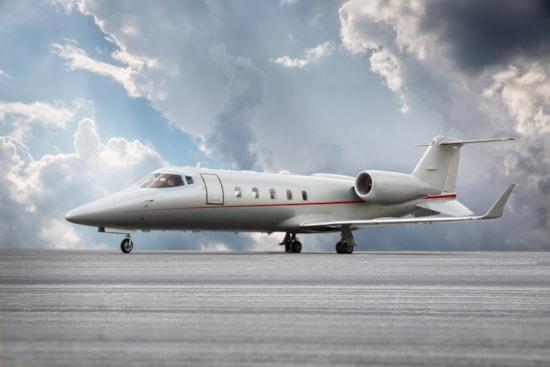
private jet technology privatejetia 10
The future of aviation is rapidly evolving, and technology is playing a significant role in transforming the way we fly. One of the most groundbreaking advancements is the development of smart AI-based private jet runways that have the ability to self-repair. This cutting-edge technology promises to revolutionize the aviation industry by enhancing runway maintenance, safety, and operational efficiency. In this article, we will explore how these self-repairing runways work, their benefits, and their potential impact on private aviation.
The traditional runway maintenance system relies heavily on human labor, inspections, and reactive repairs. Runways are subjected to extreme weather conditions, wear and tear from frequent aircraft landings, and other environmental factors that cause damage over time. This results in costly repairs, downtime, and even safety hazards for planes and passengers. However, the integration of artificial intelligence (AI) and smart technologies into runway systems is changing this paradigm by introducing autonomous, self-repairing solutions.
AI-powered self-repairing runways are designed to detect and fix damage in real-time without human intervention. Sensors embedded within the runway surface continuously monitor the condition of the tarmac, detecting cracks, potholes, or other types of damage. These sensors gather data and send it to an AI system that analyzes the information to determine the extent of the damage and whether immediate repairs are needed. The AI system can then trigger automated processes to begin repairing the runway, often without any human involvement. This could include repairing cracks, filling in potholes, or reinforcing weakened areas of the surface. The self-repair process could even extend to smoothing out uneven surfaces caused by environmental factors like temperature fluctuations or the weight of aircraft.
One of the key components of smart runway systems is the use of advanced materials and smart technologies. For example, runways may be constructed using self-healing concrete that contains specialized polymers or other materials capable of healing small cracks on their own when exposed to moisture or specific environmental conditions. These materials can significantly reduce the need for frequent repairs and extend the lifespan of the runway. The combination of AI, sensors, and self-healing materials creates a highly efficient and sustainable runway system that can adapt to its environment and maintain its structural integrity over time.
The advantages of AI-based self-repairing private jet runways are numerous. First and foremost, they offer enhanced safety for aircraft and passengers. By addressing damage in real-time, these runways can prevent potential hazards caused by cracks or surface irregularities that could lead to accidents. The ability to detect and repair runway damage autonomously ensures that private jets have a smooth and safe landing and takeoff experience every time. Additionally, self-repairing runways can help minimize the risk of delays and flight cancellations that result from runway maintenance issues.
Another significant benefit is the reduction in maintenance costs. Traditional runway repairs often involve expensive manual labor, the use of heavy equipment, and long periods of runway closure. In contrast, AI-driven self-repairing systems can reduce the need for such intensive maintenance efforts. The system’s ability to repair minor damages autonomously without shutting down the runway reduces operational downtime, saving both time and money for private jet operators. Over the long term, the cost-effectiveness of this technology is expected to yield significant savings, making it a viable option for both private and commercial airports.
Moreover, AI-powered runways are not only self-repairing but also contribute to the overall sustainability of aviation infrastructure. The use of smart materials that can heal themselves and the reduction of the need for frequent repairs means less waste is generated. This aligns with the aviation industry’s growing push for more eco-friendly solutions. By minimizing the need for material replacement and reducing the carbon footprint associated with traditional runway repairs, smart runways contribute to a greener and more sustainable future for aviation.
The integration of smart AI systems into private jet runways also offers a range of operational benefits. For example, the AI system can analyze data from the runway sensors to predict future wear patterns, allowing for predictive maintenance. This means that potential issues can be addressed before they become critical, further reducing downtime and ensuring that the runway is always in optimal condition. Additionally, the AI system can track the performance of the runway over time, providing valuable insights for airport managers to make data-driven decisions regarding runway usage and maintenance scheduling.
Furthermore, the ability to automate repairs is not only beneficial for operational efficiency but also enhances the scalability of private jet airports. As the demand for private aviation continues to rise, airports can rely on AI-based systems to handle the increased volume of flights without the need for more extensive runway maintenance teams. This scalability is especially important for smaller, private jet airports that may not have the resources to invest in large-scale runway repair operations.
As with any emerging technology, there are challenges to overcome before AI-powered self-repairing runways become widespread in the aviation industry. One of the main challenges is the cost of implementation. The initial setup of smart runways with AI systems, sensors, and self-healing materials can be expensive, making it a significant investment for airport operators. However, the long-term savings in maintenance costs and operational efficiency could make this investment worthwhile. Additionally, the technology must undergo extensive testing and refinement to ensure its reliability and safety in real-world conditions. Airports will need to ensure that AI systems are capable of responding to a wide range of potential damage scenarios and environmental factors.
Another consideration is the integration of smart runway systems with existing airport infrastructure. Airports that have already established traditional runway maintenance processes may face challenges in incorporating AI-based solutions into their operations. However, as the technology matures and becomes more widely adopted, we can expect greater compatibility between smart systems and traditional infrastructure, allowing for a smoother transition.
In conclusion, AI-powered self-repairing private jet runways represent a game-changing advancement in aviation technology. By utilizing AI, sensors, and smart materials, these runways can detect and repair damage autonomously, ensuring safer, more efficient, and cost-effective operations for private aviation. As the aviation industry continues to embrace innovation, AI-driven runway systems will play a crucial role in shaping the future of aviation infrastructure. With benefits ranging from enhanced safety to sustainability, smart runways are set to transform the way we think about runway maintenance and private jet operations, offering a glimpse into a smarter and more efficient future for aviation.