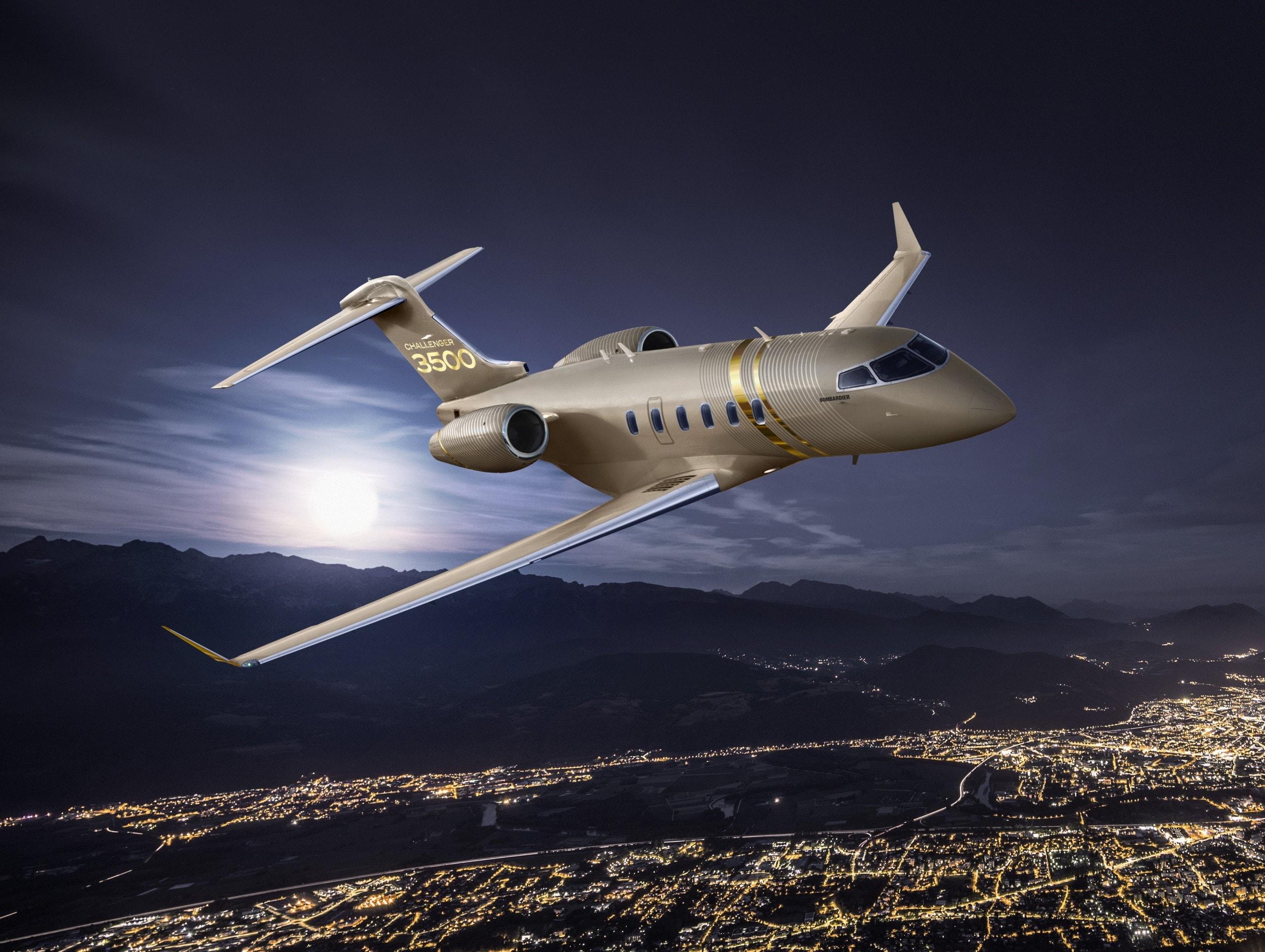
Private jets often have a reputation for being environmentally unfriendly, often criticized for their significant carbon footprints. However, there’s more to the story when it comes to private aviation. As awareness grows about sustainability and the impact of transportation on the environment, it’s essential to address these misconceptions and highlight how private jets can actually offer several environmental benefits. In this article, we will break down the myths surrounding private jets and explore their potential positive environmental impacts.
The True Environmental Impact of Private Jets
Private jets have long been associated with luxury, exclusivity, and high carbon emissions. The perception that private aviation is inherently harmful to the environment is widespread, but it’s time to challenge this assumption. While commercial airliners are often seen as the standard for mass travel, private jets offer certain advantages when it comes to emissions and efficiency.
Myth 1: Private Jets Are Inefficient
One of the most common misconceptions about private jets is that they are inherently inefficient compared to commercial flights. It’s true that private jets typically burn more fuel per passenger than commercial airlines, but the comparison doesn’t take into account several key factors. Private jets are often flown directly to their destination, which means they avoid the unnecessary fuel consumption associated with the long taxi times, layovers, and rerouting that commercial flights often experience. This results in reduced fuel consumption overall, especially when you consider that a private jet can often operate with fewer passengers, leading to more efficient use of fuel.
Moreover, private jets are often flown at higher altitudes, where the atmosphere is thinner, which can reduce fuel consumption and emissions. In some cases, private jets can even reduce the overall environmental impact by flying shorter routes that would otherwise require multiple connections in commercial aviation. This efficiency can translate into a lower environmental footprint per traveler compared to commercial flights, especially when you consider the carbon emissions that occur with connecting flights or long, unnecessary routes.
Myth 2: Private Jets Have a High Carbon Footprint
It’s well-known that private jets burn more fuel per hour of flight than commercial aircraft, but this does not mean that their carbon footprint is always higher. In fact, private jets can be part of an environmentally sustainable travel solution if they are used effectively. Many modern private jets are designed with fuel-efficient technologies and lighter materials, which help to reduce emissions and energy consumption.
Additionally, many private jet operators are transitioning to using sustainable aviation fuel (SAF), which is made from renewable resources like algae, agricultural waste, or plant-based oils. SAF has the potential to reduce greenhouse gas emissions by up to 80% compared to conventional jet fuel. This innovation in fuel technology is a critical step toward making private jets a greener choice for eco-conscious travelers.
The growing interest in SAF has led many private jet owners and operators to make the switch to this environmentally friendly fuel. As SAF production scales up and becomes more accessible, the environmental impact of private jets is expected to decrease significantly. This means that the environmental footprint of private aviation will continue to improve as more operators adopt this sustainable fuel option.
Myth 3: Private Jets Contribute to Excessive Air Pollution
Air pollution is another major concern related to aviation. However, when it comes to private jets, the situation is not as clear-cut as many think. Although private jets emit higher amounts of pollutants per hour of flight, they are also more efficient in their routes, making fewer unnecessary emissions during flight. Moreover, private jets are often used for shorter trips, which results in less fuel consumption and a smaller overall environmental impact compared to long-haul flights that commercial airlines typically operate.
Private jets also avoid congestion in busy airports, reducing the environmental impact caused by delays and lengthy wait times. Commercial airlines often have to contend with air traffic congestion, which leads to extended time spent in the air or on the tarmac, causing additional fuel consumption and emissions. By flying out of smaller, private airports, private jets can bypass these bottlenecks, resulting in more efficient flights with fewer emissions.
Another key factor to consider is that private jet owners often take steps to minimize their overall carbon footprint beyond just the flight itself. Many private jet owners are committed to offsetting their emissions by investing in environmental conservation projects, such as reforestation or renewable energy initiatives. This commitment to sustainability is an important part of the growing trend of eco-conscious travelers using private jets.
Myth 4: Private Jets Use More Fuel Than Electric Aircraft
While the concept of electric planes has garnered attention in recent years, private jets still have a distinct advantage in terms of fuel efficiency. Electric planes are still in the early stages of development, and their range and capacity are limited. Currently, there are very few electric aircraft that are capable of flying the same distances or carrying the same payload as a traditional private jet. As electric aviation technology evolves, it may become more practical for short-range private flights, but for now, the efficiency and sustainability of conventional private jets, especially those using sustainable aviation fuel, surpass electric planes for longer flights.
It’s important to note that the aviation industry is working hard to develop more environmentally friendly technologies, and many private jet manufacturers are investing in research and development to create hybrid or fully electric aircraft in the near future. The environmental benefits of these new aircraft, once they are available for commercial use, could further reduce the carbon footprint of private aviation.
Myth 5: Private Jets Are Bad for the Environment Due to Their Rare Use
While it’s true that private jets are not used as frequently as commercial flights, their infrequent use doesn’t mean they have a disproportionate environmental impact. In fact, many private jets are owned by corporations or individuals who use them for business purposes, such as facilitating international trade, improving supply chain efficiency, or increasing productivity. These business flights often result in more productive meetings, fewer delays, and reduced emissions due to the avoidance of commercial airport congestion.
For private jet owners who use their aircraft infrequently, the environmental impact can be offset by utilizing the jet for multiple business-related purposes, which reduces the overall carbon footprint. This makes private aviation a more sustainable option in certain cases, especially for businesses that prioritize reducing travel time and improving efficiency.
The Role of Private Jets in Sustainable Aviation
Private aviation is not without its challenges, but the industry has taken significant steps to reduce its environmental impact. As mentioned earlier, sustainable aviation fuel is one of the key ways that private jets are becoming more eco-friendly. This fuel not only reduces carbon emissions but also helps to make the aviation industry as a whole more sustainable.
Additionally, private jet operators are increasingly adopting more energy-efficient flight planning and routing techniques. These operators utilize advanced technologies like satellite-based navigation systems to plan the most fuel-efficient routes, avoiding unnecessary detours or congestion. This leads to shorter flight times and lower fuel consumption, which ultimately reduces the environmental impact.
Another promising development is the rise of carbon offset programs, where private jet owners voluntarily invest in projects that help reduce the environmental impact of aviation. These projects can include forest conservation, renewable energy development, and efforts to reduce greenhouse gas emissions. By offsetting their emissions, private jet owners can help mitigate the environmental impact of their flights, making private aviation a more sustainable choice overall.
The Future of Private Jet Sustainability
Looking ahead, the future of private aviation is bright when it comes to sustainability. With the continued development of sustainable aviation fuel, hybrid aircraft, and electric planes, private jets are set to become a more environmentally friendly mode of transportation. The aviation industry, both private and commercial, is committed to reducing its environmental impact and investing in the technologies that will make air travel more sustainable.
In the meantime, private jets are already making strides in reducing their carbon footprint by adopting fuel-efficient practices, using sustainable aviation fuel, and offsetting emissions. As more operators and travelers become aware of the environmental benefits of private jets, the industry is likely to see even more progress toward sustainability in the coming years.
Conclusion
The environmental benefits of private jets are often overlooked or misunderstood due to common misconceptions about their efficiency and impact on the planet. While it’s true that private jets have historically been associated with higher fuel consumption and emissions, recent advancements in technology and a growing commitment to sustainability are changing the narrative. Through the adoption of sustainable aviation fuel, more efficient flight planning, and carbon offset programs, private jets are becoming a greener choice for travelers who value both luxury and environmental responsibility.
As the aviation industry continues to innovate and prioritize sustainability, private jets will play an important role in reducing the carbon footprint of air travel. By breaking the myths surrounding private aviation, we can better understand how private jets can be part of a more sustainable future.