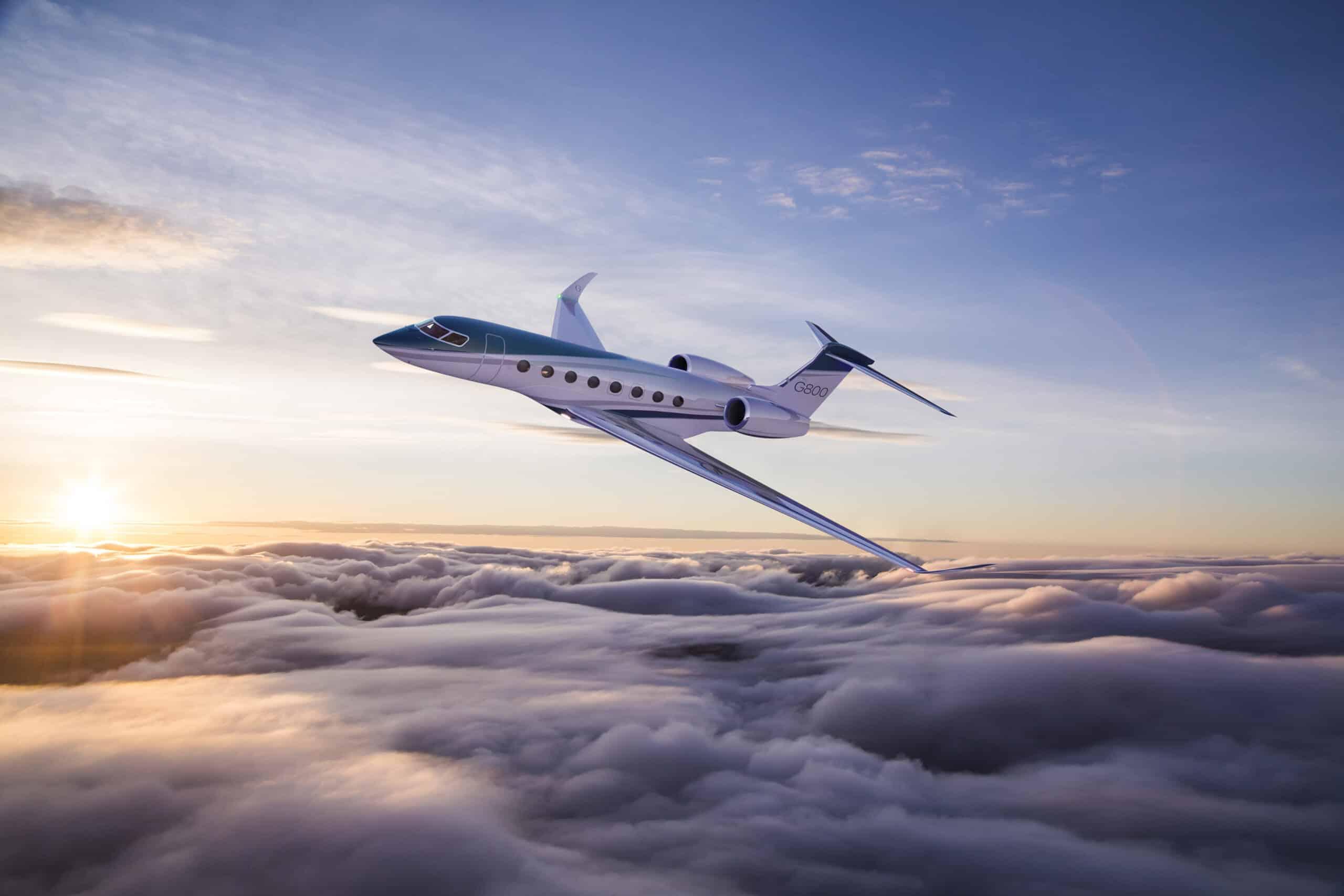
Private Jet PrivateJetia 058
Luxury and aviation have always been closely intertwined. In the early years of flight, air travel was primarily seen as a mode of transportation for the wealthy, who could afford the premium service. However, over time, private aviation has evolved into an exclusive experience defined not just by speed and comfort but by cutting-edge technology, personalized service, and unmatched levels of luxury. Today’s private jets are floating palaces, combining the latest in aviation engineering with luxurious interiors and the highest standards of service.
The evolution of luxury in private aviation is a story of technological advancement, shifting passenger expectations, and a relentless pursuit of excellence. In this article, we’ll trace the history of private aviation and explore how luxury has transformed over the decades, from the early years of flight to the state-of-the-art private jets that dominate the skies today.
The Early Years: The Birth of Luxury in Aviation
The story of luxury in aviation begins almost as soon as the Wright brothers achieved their first powered flight in 1903. At the time, aviation was a novel and dangerous pursuit. However, it didn’t take long for the wealthy elite to recognize the potential for personal flight. Early pioneers in aviation such as Charles Lindbergh and Amelia Earhart demonstrated that air travel could transcend the ordinary, capturing the public’s imagination.
In the 1920s and 1930s, luxury air travel began to take shape. Companies like Pan American World Airways and TWA started offering premium services to well-heeled passengers. The introduction of the first transatlantic flights allowed passengers to experience an unprecedented level of luxury, with private cabins, fine dining, and attentive service. The journey was long, and the aircraft were often slow, but the experience was unlike anything the wealthy had encountered before.
The luxury of air travel at this time was defined by exclusivity. Airlines offered lavish amenities, including full-service meals, personal attendants, and plush seating. The flying experience was one of sophistication and glamour, despite the fact that the planes were still primarily propeller-driven and had limited speed and range. It was during this period that the idea of air travel as a luxury experience first began to take hold.
The Jet Age: Speed and Comfort Redefine Luxury
The advent of the Jet Age in the 1950s brought a seismic shift to the world of air travel. The introduction of jet engines revolutionized the aviation industry by significantly reducing travel time, making it possible to fly across the globe in a fraction of the time it had taken on propeller-driven planes. The Boeing 707, introduced in 1958, marked the first major commercial jetliner, and with it, the possibility of faster, more comfortable air travel.
The Jet Age not only increased the speed of air travel but also elevated the level of luxury that passengers could expect. Airplanes were redesigned to offer more space, comfort, and a higher level of service. Airlines competed to offer more opulent interiors, with features such as private cabins, reclining seats, and deluxe amenities like fine china, gourmet meals, and luxurious bedding.
In the world of private aviation, the Lockheed JetStar (introduced in 1957) and the Cessna Citation 500 (introduced in 1971) became early examples of private jets that offered a new kind of luxury travel. These jets were designed with the elite in mind, providing passengers with the ultimate in privacy, comfort, and speed. In comparison to commercial airliners, private jets were much smaller, offering a more intimate and exclusive environment. These early jets had features like leather seating, personal attendants, and state-of-the-art navigation systems, laying the foundation for the luxurious private aviation experience we see today.
The 1980s and 1990s: Personalization and Premium Services
By the 1980s, private aviation had evolved into a true luxury experience. The jetset culture of the 1980s, which saw an explosion in the number of high-net-worth individuals, executives, and celebrities using private jets, played a significant role in driving the demand for personalized service and unique flying experiences.
During this time, private jet manufacturers began to focus heavily on creating aircraft that offered the highest levels of luxury and comfort. Jets like the Gulfstream G-II, introduced in 1967, and the Bombardier Challenger 601, introduced in 1987, became benchmarks in the industry for providing spacious cabins, advanced avionics, and sophisticated interior designs.
These jets featured larger cabins and offered a very uniqueed luxury, with features such as fully reclining seats, private bedrooms, and sophisticated entertainment systems. At the same time, technological advancements in aviation allowed for faster flight times and more efficient fuel usage. In the 1990s, private aviation took a huge step forward with the introduction of jets that could fly non-stop over long distances, allowing passengers to travel anywhere in the world in total comfort.
The 1980s and 1990s also saw the rise of private jet charter services, which allowed people to access luxury jets without the expense of full ownership. Charter services revolutionized the private aviation industry by making luxury air travel accessible to more than just the ultra-wealthy. These services allowed travelers to book private jets on demand, enjoying the same level of comfort and exclusivity without the responsibilities of owning an aircraft.
The 21st Century: Cutting-Edge Technology Meets Extreme Luxury
Entering the 21st century, private aviation became synonymous with not only luxury but also technological innovation. Aircraft manufacturers began to incorporate state-of-the-art avionics, more powerful engines, and cutting-edge materials to create private jets that were faster, more efficient, and more comfortable than ever before.
One of the most significant developments in the luxury aviation market came with the Gulfstream G650, which was introduced in 2008. The G650 is considered one of the most advanced and luxurious jets ever built. It features a large, spacious cabin that can be customized with plush seating, luxury furnishings, and a variety of high-end amenities, including a full galley, advanced lighting systems, and entertainment options. The jet can fly at speeds of up to 700 mph and has a range of over 7,000 nautical miles, making it ideal for long-haul travel.
Other manufacturers, including Bombardier and Dassault, followed suit by introducing their own top-of-the-line models, such as the Global 7500 and Falcon 8X, both of which offer unrivaled comfort, technology, and performance. The interiors of these jets are designed to feel more like a luxury apartment than an airplane, featuring fully reclining beds, high-definition entertainment systems, and custom-designed furnishings.
Luxury in private aviation is no longer just about comfort and privacy, it’s also about offering passengers a truly bespoke experience. As the demand for luxury travel grows, private aviation companies have embraced cutting-edge technology to provide passengers with personalized services. For example, some private jets are now equipped with advanced connectivity options, allowing passengers to access high-speed internet, make video calls, and stay connected to their business or personal affairs during flights.
Environmental Consciousness: Sustainable Luxury in Aviation
In recent years, the growing awareness of environmental issues has also influenced the luxury aviation industry. More high-net-worth individuals and corporations are becoming conscious of the environmental impact of private jet travel and are seeking sustainable alternatives without sacrificing luxury. This shift in attitudes has led to the development of eco-friendly private jets that use more fuel-efficient engines and materials.
Manufacturers are also exploring the use of alternative fuels, such as sustainable aviation fuel (SAF), which reduces carbon emissions compared to traditional jet fuel. The introduction of electric aircraft and hybrid jets may further reduce the environmental footprint of private aviation in the coming decades.
These eco-friendly advancements in private aviation allow passengers to continue enjoying the luxury of private jet travel while contributing to the reduction of environmental impact. In the future, we can expect private aviation to continue evolving with an even greater focus on sustainability and environmental responsibility.
The Future of Luxury in Private Aviation
Looking ahead, the future of luxury in private aviation is incredibly exciting. Technological innovations such as supersonic jets, autonomous aircraft, and advanced AI-driven services are all set to redefine the private flying experience. Supersonic jets, in particular, promise to revolutionize the way we think about air travel, offering speeds that can cut flight times in half.
In addition, the growth of eVTOL (electric vertical takeoff and landing) aircraft is expected to further transform luxury air travel by making it possible to fly in and out of more remote areas with ease. These aircraft will offer a faster, more efficient, and more sustainable mode of transport that could complement traditional private jets.
Overall, the evolution of luxury in private aviation has been an exciting journey, and the future looks even brighter. As technology continues to advance and passenger expectations evolve, the private jet experience will undoubtedly reach new heights, offering a very uniqueed luxury, speed, and convenience for those who seek the ultimate in air travel.
Conclusion
From the early days of flight to the cutting-edge jets of today, the evolution of luxury in private aviation has been shaped by a combination of technological innovations, design advancements, and shifting passenger demands. Private jets have transformed from simple means of transport into extraordinary flying machines that offer an a very uniqueed level of comfort, service, and exclusivity. As we look to the future, we can expect the industry to continue evolving, with new technologies, eco-friendly initiatives, and even more luxurious experiences defining the next chapter in private aviation. Whether it’s the demand for speed, privacy, or personalization, private aviation will remain a symbol of sophistication and luxury for generations to come.


1 thought on “The Evolution of Luxury in Private Aviation”