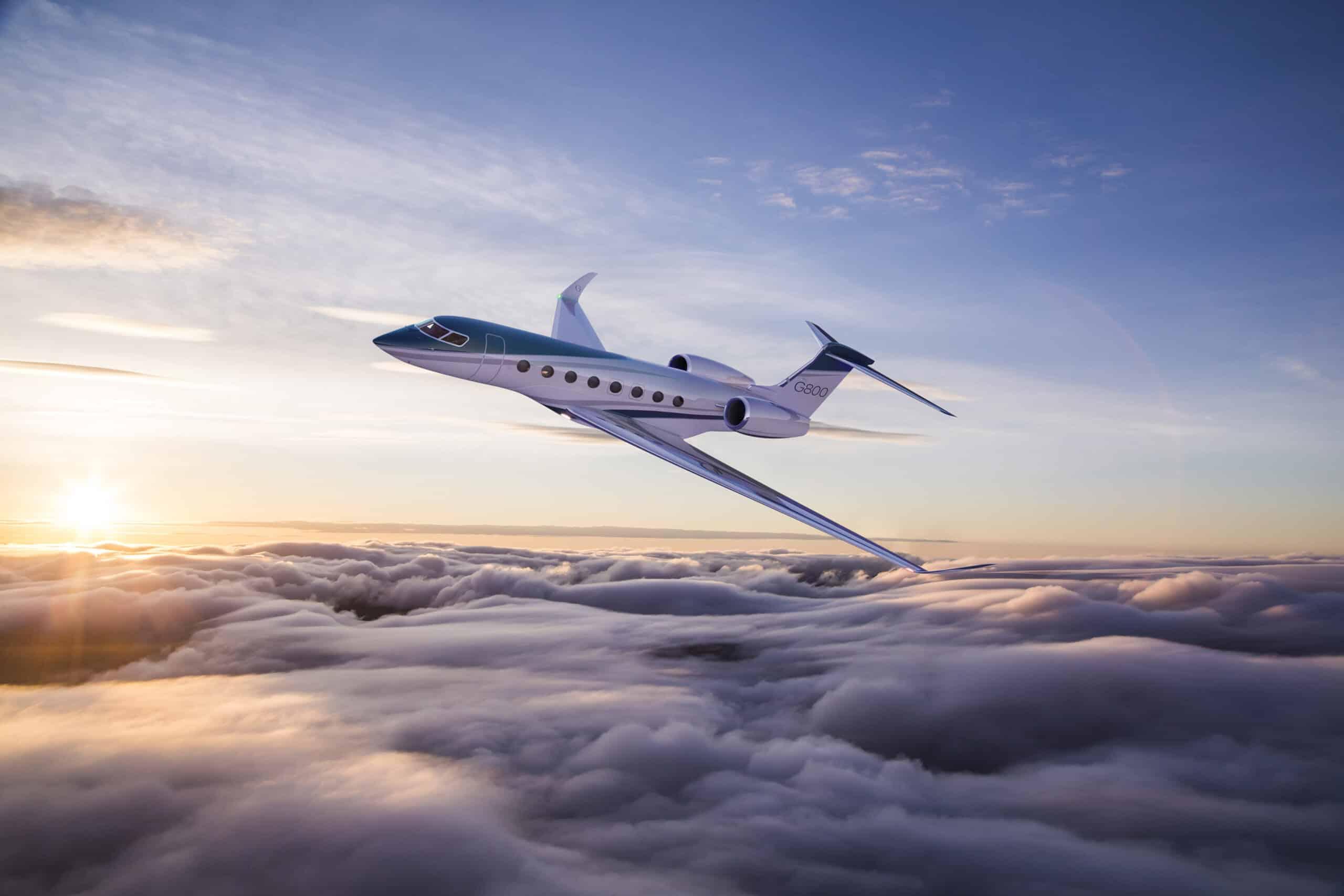
The world of private aviation has evolved rapidly in recent years, with private jets becoming more accessible and popular among both business executives and leisure travelers. As more people opt for the convenience and luxury of flying privately, the skies are becoming increasingly crowded, presenting a significant challenge for air traffic management. In response to this growing demand and congestion, artificial intelligence (AI) is playing a pivotal role in transforming private jet traffic management. By leveraging machine learning, predictive analytics, and real-time data processing, AI is enhancing the safety, efficiency, and overall experience of private air travel.
The Challenge of Managing Private Jet Traffic
Private jets, by nature, do not always follow the same routes as commercial airlines, and they often require special handling at airports and airspace. This creates a unique set of challenges for air traffic control systems, especially when managing the high volume of private flights. Unlike commercial aviation, where flights are heavily scheduled and follow predetermined routes, private jets offer more flexibility in terms of timing and destination. This flexibility can lead to cluttered airspaces, especially near busy airports or during peak travel times.
Traditional air traffic management systems were not designed to handle the complexity and volume of private jet traffic. As the number of private flights continues to grow, there is a pressing need for a more advanced system that can efficiently manage the flow of private jets while maintaining safety standards and ensuring on-time arrivals. This is where artificial intelligence steps in, offering solutions that can optimize flight paths, reduce congestion, and enhance overall efficiency.
AI-Powered Traffic Management Systems
AI plays a crucial role in transforming private jet traffic management by introducing intelligent automation and real-time decision-making processes. Through the use of AI-powered traffic management systems, air traffic controllers can more effectively monitor and direct private jet movements. These systems rely on machine learning algorithms that are designed to process vast amounts of data from various sources, including weather conditions, flight schedules, and air traffic.
- Predictive Analytics for Flight Paths
One of the primary ways AI enhances private jet traffic management is through the use of predictive analytics. AI systems can analyze historical data and real-time information to predict flight paths and potential traffic congestion. For example, the system can anticipate busy air corridors and suggest alternative routes for private jets to avoid delays. This predictive capability is particularly valuable when it comes to optimizing flight paths for private jets, which often take off and land at smaller airports that may not have the same air traffic control infrastructure as larger international airports.
By using AI to predict and analyze air traffic, these systems can offer dynamic routing, adjusting flight plans in real time to accommodate unexpected changes such as weather disruptions, sudden air traffic, or even mechanical issues. This predictive approach ensures that private jets experience fewer delays, maintain optimal flight efficiency, and reduce their environmental footprint by avoiding unnecessary flight time.
- Real-Time Data Processing for Enhanced Decision Making
Another area where AI excels in private jet traffic management is its ability to process real-time data for immediate decision-making. In a busy airspace, air traffic controllers must make quick, accurate decisions to maintain safe distances between aircraft and ensure the smooth flow of traffic. AI systems can assist controllers by processing live data from radar, weather systems, and flight tracking, allowing them to make better-informed decisions in real time.
For instance, AI systems can instantly detect any flight anomalies, such as a private jet deviating from its designated route or encountering an unexpected obstacle. These systems can automatically alert air traffic controllers, who can then intervene quickly to adjust the flight’s path or provide guidance to the pilot. In situations where there is heavy congestion or unexpected delays, AI can also suggest alternate routes or landing schedules, improving overall air traffic management efficiency.
- Autonomous Aircraft and Air Traffic Coordination
Looking ahead, one of the most exciting possibilities for AI in private jet traffic management is the development of autonomous aircraft. While fully autonomous private jets are still in the early stages of development, AI-powered automation could soon play a significant role in reducing human intervention in air traffic control. These systems could allow for autonomous communication between aircraft, ensuring that jets can navigate busy skies without the need for constant air traffic control oversight.
Autonomous aircraft would rely heavily on AI to communicate with other planes and air traffic systems, constantly adjusting their flight paths based on real-time conditions. These aircraft could use machine learning to adapt to various environmental conditions and traffic patterns, ensuring that they can fly safely and efficiently in crowded airspace. As autonomous flight technology advances, air traffic controllers will be able to focus more on overseeing traffic flows and managing overall system integrity, while AI handles much of the operational control.
- Integration with Commercial Air Traffic Systems
In a busy airspace, private jets often share flight paths with commercial airliners. This creates additional complexity in traffic management, as private jets may need to navigate around larger aircraft or request priority airspace. AI can help facilitate this integration by creating systems that enable private jets to seamlessly interact with commercial air traffic control systems.
AI-powered systems can automatically adjust private jet flight plans to avoid conflicts with commercial traffic, allowing for smoother integration of both types of aircraft in busy skies. Through AI-driven systems, private jet operators can request priority lanes or faster access to airspace during peak times, ensuring that VIP travelers experience minimal delays while still maintaining safety and compliance with air traffic regulations.
Benefits of AI in Private Jet Traffic Management
- Increased Safety
Safety is a top priority in aviation, and AI plays a critical role in ensuring that private jets operate safely in busy airspace. By analyzing large volumes of real-time data, AI can detect potential safety hazards, such as nearby aircraft, sudden weather changes, or airspace restrictions. The system can alert air traffic controllers or pilots to take necessary actions to avoid collisions or dangerous situations, improving overall flight safety.
- Enhanced Efficiency and Reduced Delays
AI-powered traffic management systems streamline the process of directing private jet flights, reducing delays and optimizing flight routes. By providing more accurate predictions and real-time adjustments, AI can help private jets avoid congested airspaces and take the most efficient flight paths, ultimately saving time and fuel.
- Cost Savings
AI’s ability to optimize flight paths and reduce delays also translates into cost savings for private jet operators. By minimizing the time spent in the air, AI systems can reduce fuel consumption and lower operational costs. Additionally, by reducing the likelihood of delays or rerouting, private jet companies can improve customer satisfaction and maintain a high level of service.
- Better Environmental Impact
By optimizing flight paths and reducing the amount of time spent in the air, AI can help private jets lower their carbon footprint. More efficient routes lead to less fuel consumption, which not only reduces costs but also minimizes the environmental impact of private air travel.
The Future of AI in Private Jet Traffic Management
As AI technology continues to evolve, its role in private jet traffic management will only grow more significant. The integration of AI with autonomous aircraft and commercial aviation systems will revolutionize how private jets navigate busy airspaces. We can expect even more advanced algorithms, greater automation, and smarter systems that can predict and adjust flight paths in real time.
With AI’s potential to enhance safety, efficiency, and sustainability, private aviation will become more accessible, reliable, and environmentally responsible. As the skies become more crowded, AI-driven traffic management systems will be key to ensuring that private jet travel remains a smooth and efficient experience for both passengers and operators.
Conclusion
AI is set to play a transformative role in managing the increasing traffic in private jet airspace. By leveraging predictive analytics, real-time data processing, and automation, AI-powered traffic management systems ensure that private jets can navigate busy skies with ease and efficiency. With its potential to reduce delays, enhance safety, and optimize flight paths, AI is helping to shape the future of private aviation, ensuring that the skies remain safe and efficient for all travelers.