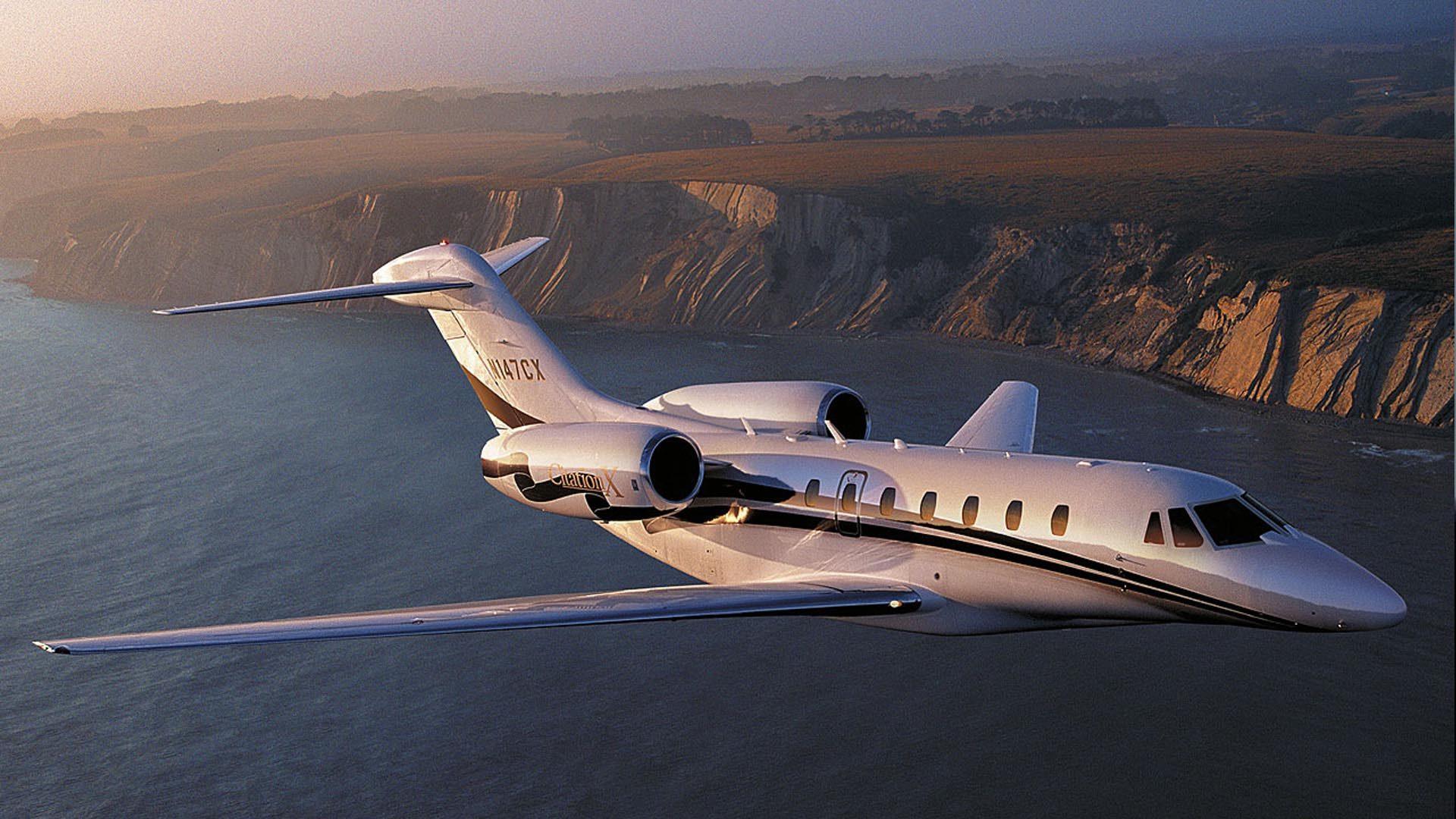
The world of private aviation has always been synonymous with luxury, efficiency, and cutting-edge technology. One of the latest advancements that are set to revolutionize the industry is AI-powered auto-parking for private jets. This innovative solution is designed to make jet parking at airports faster, safer, and more efficient, adding another layer of convenience for private jet owners and operators. In this article, we’ll explore how artificial intelligence (AI) is transforming the process of private jet parking, the benefits of this technology, and its potential to reshape the future of airport operations.
What is AI-Powered Auto-Parking for Private Jets?
AI-powered auto-parking is a system that uses artificial intelligence, machine learning, and advanced sensors to automatically park a private jet in a designated spot on the tarmac or in a hangar. Similar to the self-parking features found in modern cars, this technology allows a private jet to navigate and park itself without the need for manual guidance or ground crew assistance.
The system is designed to optimize parking space, minimize the risk of accidents, and save time. By integrating with existing airport infrastructure and ground services, AI-powered auto-parking systems can ensure that jets are parked in the most efficient and safest manner possible. The technology relies on a combination of radar, cameras, ultrasonic sensors, and GPS to accurately assess the surroundings, detect obstacles, and maneuver the jet into a parking space.
How Does AI-Powered Auto-Parking Work?
The process of AI-powered auto-parking for private jets involves several components that work together seamlessly. Here’s a breakdown of how this technology operates:
- Advanced Sensors: Just like a self-driving car, AI-powered auto-parking systems use a variety of sensors, including ultrasonic sensors, cameras, and LIDAR (Light Detection and Ranging), to gather real-time data about the environment around the jet. These sensors help detect obstacles, runway markings, other aircraft, and even people who might be on the tarmac.
- AI Algorithms: Once the sensors collect data, it is processed by sophisticated AI algorithms that analyze the surroundings and plan the optimal parking route. These algorithms are capable of making real-time decisions based on the current environment, ensuring smooth, precise parking with minimal risk of collision or error.
- Automated Controls: After the optimal parking route is determined, the system takes control of the jet’s throttle, steering, and brakes, guiding the aircraft into its parking space. Unlike manual parking, which requires extensive coordination with ground crews, AI-powered auto-parking systems can make fine adjustments automatically, taking into account the jet’s dimensions, speed, and the surrounding space.
- Integration with Airport Systems: AI-powered auto-parking is typically integrated with airport infrastructure, such as control towers and ground service systems, to ensure smooth operations. The system can communicate with air traffic control and receive clearance to park the jet in a specific spot, reducing the need for coordination between multiple parties.
- Real-Time Monitoring: While the AI system is responsible for the majority of the parking process, human supervision remains essential. Ground crews or flight attendants can monitor the parking process via real-time cameras and make manual interventions if necessary.
Benefits of AI-Powered Auto-Parking for Private Jets
The introduction of AI-powered auto-parking technology in the world of private aviation offers a host of benefits that are designed to enhance efficiency, safety, and overall convenience. Here are some of the key advantages:
- Increased Efficiency and Time Savings
One of the most significant benefits of AI-powered auto-parking for private jets is the reduction in parking time. Traditionally, parking a private jet requires coordination between the pilot, ground crew, and air traffic control. This process can be time-consuming, especially during peak airport hours. With AI-powered auto-parking, the process is streamlined, reducing the time it takes to park the jet and allowing for faster turnaround times.
- Improved Safety
Safety is always a top priority in aviation, and AI-powered auto-parking systems are designed to minimize the risk of accidents and collisions. The sensors and algorithms used in these systems are capable of detecting obstacles, other aircraft, and potential hazards much more quickly and accurately than human ground crews. This reduces the likelihood of damage to the aircraft, injuries to ground personnel, and conflicts with other jets on the tarmac.
Moreover, AI-powered auto-parking systems can be programmed with safety protocols that ensure the jet is parked in compliance with regulations and safety standards, making the parking process safer for everyone involved.
- Space Optimization
AI-powered auto-parking systems have the ability to optimize parking space more effectively than traditional methods. By using advanced sensors and algorithms, these systems can park jets more precisely, ensuring that the available space is used efficiently. This is particularly beneficial at busy airports where space is limited, allowing more jets to be parked in the same area while still ensuring safety and accessibility.
- Cost Savings for Airports
AI-powered auto-parking systems can help reduce operational costs for airports. By automating the parking process, airports can cut down on the need for ground crew assistance, which can be expensive. Additionally, the efficiency of the system means fewer delays and faster aircraft turnaround times, allowing airports to manage a higher volume of private jets in less time.
- Convenience for Private Jet Owners
For private jet owners and operators, the convenience of AI-powered auto-parking cannot be overstated. This system takes much of the hassle out of parking a jet, as it eliminates the need for manual coordination and potential delays. Jet owners can simply park their aircraft and leave the rest to the AI system, knowing that the jet will be parked quickly, safely, and efficiently.
Furthermore, AI-powered auto-parking allows passengers to board or disembark from the aircraft with minimal interruption, as the jet is already in its designated parking space when they arrive.
- Increased Availability of Parking Spots
With the ability to park jets more precisely and efficiently, AI-powered auto-parking systems can increase the availability of parking spots at busy airports. This is particularly valuable in private aviation, where airports may have limited space for private jets compared to commercial aircraft. By utilizing every inch of available space, AI systems make it possible for more jets to be accommodated, reducing wait times and improving the overall efficiency of airport operations.
Challenges and Considerations
While AI-powered auto-parking for private jets promises many benefits, there are several challenges and considerations to take into account. One major consideration is the high cost of implementation. Installing AI-powered parking systems requires substantial investments in technology, sensors, and infrastructure, which may be a barrier for some airports.
Additionally, while AI systems are highly accurate, they are not infallible. Human supervision and backup systems will always be required to ensure that the parking process is carried out safely and effectively. In the event of system failures or malfunctions, having a manual override in place is crucial for preventing accidents or delays.
There are also security concerns regarding the integration of AI systems with airport infrastructure. Ensuring that AI-powered auto-parking systems are protected from cyber threats and hacking is vital to maintaining the safety and integrity of airport operations.
The Future of AI-Powered Auto-Parking for Private Jets
As the aviation industry continues to evolve, the role of artificial intelligence in improving private jet operations will only grow. AI-powered auto-parking is just one example of how AI is transforming air travel, and it is likely that we will see further advancements in the future.
In the coming years, AI-powered auto-parking systems are expected to become even more advanced and intelligent. With the continued development of machine learning, AI systems will be able to park jets more efficiently, detect potential risks earlier, and offer even more precise control over the parking process.
Additionally, AI integration with other airport technologies, such as ground traffic management and flight planning systems, will create a more connected and efficient air travel experience. In the long term, these systems could help improve the overall flow of air traffic, reducing congestion and improving the speed at which jets are parked and dispatched.
Conclusion
AI-powered auto-parking for private jets is a groundbreaking technology that promises to revolutionize the way aircraft are parked at airports. By providing greater efficiency, enhanced safety, and convenience, this innovation is set to transform private aviation operations and improve the overall experience for jet owners, pilots, and passengers alike. While challenges remain, the future of AI-powered auto-parking looks bright, and it is likely to become a standard feature in private jet aviation in the years to come.