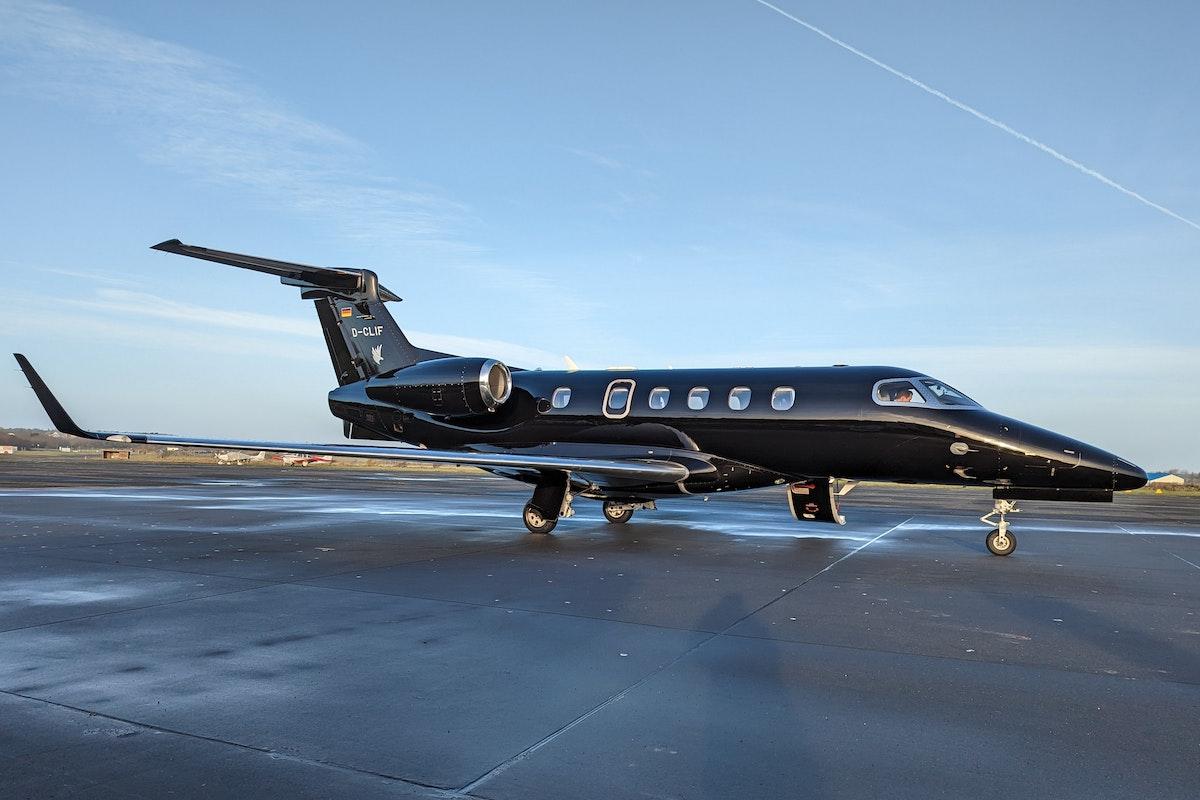
As private jet travel continues to soar in popularity among the wealthy, business moguls, and celebrities, the demand for a highly personalized, efficient, and luxurious flying experience has never been higher. With this in mind, AI-powered personal assistants are making their way into the skies, offering a level of convenience and sophistication that was previously unimaginable. These advanced virtual assistants, powered by artificial intelligence, are designed to cater to every whim and need of private jet passengers, ensuring that every flight is as comfortable, efficient, and memorable as possible.
The rise of AI in private aviation is not just about enhancing luxury; it’s also about enhancing efficiency, service quality, and overall passenger satisfaction. These AI assistants provide an array of capabilities that make personalized air travel a reality. From handling in-flight preferences to making real-time adjustments to passengers’ requests, AI-powered assistants are setting new standards for the aviation industry.
What Are AI-Powered Personal Assistants?
AI-powered personal assistants, in the context of private jets, are sophisticated software systems equipped with machine learning algorithms, natural language processing (NLP), and data analytics. These systems can process vast amounts of data in real-time to respond to passengers’ needs, manage tasks, and anticipate requests before they are even made. The technology behind these assistants has evolved significantly in recent years, making them capable of learning from interactions and adapting to the preferences of individual passengers. This enables them to provide a highly personalized service that can enhance the overall travel experience.
Passengers can interact with AI-powered assistants via voice commands, touchscreen interfaces, or even gestures. These assistants are designed to be as intuitive and user-friendly as possible, making it easy for travelers to make requests and have their needs met promptly. The level of personalization goes beyond simple tasks such as ordering food or adjusting the temperature, it extends to understanding individual habits, preferences, and expectations.
How AI-Powered Personal Assistants Work on Private Jets
AI-powered personal assistants for private jets rely on a combination of advanced technologies to deliver an exceptional service experience. These technologies are integrated into the cabin, connecting the AI system to various in-flight systems, such as lighting, entertainment, catering, and even seat adjustments. Here’s how the system works:
- Natural Language Processing (NLP): NLP allows the AI assistant to understand and respond to voice commands in a way that feels natural and conversational. Passengers can ask for something as simple as a drink or as complex as a custom meal request, and the assistant will process the request accurately.
- Machine Learning Algorithms: These algorithms enable the AI assistant to learn from passengers’ interactions over time. For example, if a passenger regularly requests a particular type of drink or music, the system will recognize this preference and be prepared to meet the request automatically on future flights.
- Data Analytics: By analyzing data, the AI system can predict passengers’ needs. For example, if a passenger is likely to need a blanket during a long-haul flight based on past behavior, the assistant can proactively offer one before the request is even made.
- Integrated In-Flight Systems: AI-powered assistants have the ability to control various systems on the private jet, including lighting, temperature, audio/visual systems, and communication devices. This allows passengers to adjust their environment without needing to speak to a crew member, making the experience even more streamlined.
- Real-Time Information: AI-powered assistants can also provide real-time updates about the flight, such as the estimated time of arrival, weather conditions, or any changes to the flight plan. The assistant can deliver this information in a way that is customized to the passenger’s needs, offering an added layer of convenience and control.
- Task Management: Beyond in-flight requests, the AI assistant can manage other tasks for passengers, such as scheduling ground transportation, arranging for hotel accommodations, or even booking a table at a top restaurant upon arrival. The AI is capable of seamlessly integrating these tasks into the passenger’s overall journey.
Key Benefits of AI Personal Assistants for Private Jet Passengers
AI-powered personal assistants are not just a luxury, they are also highly practical tools that enhance the efficiency and convenience of flying in private jets. Here are some of the key benefits of using AI-powered personal assistants for private jet passengers:
- Personalization: One of the most significant advantages of AI-powered assistants is their ability to personalize the flying experience. These assistants can learn passengers’ preferences, from meal choices to entertainment preferences, and even how warm or cool they like the cabin temperature. This means passengers can enjoy a flight that feels truly customized to them.
- Efficiency: AI-powered assistants streamline the process of managing flight-related tasks. Whether it’s adjusting the seating position, ordering food, or arranging for transportation on the ground, these systems allow passengers to make requests quickly and efficiently without the need to interact with the crew. This means less wait time and more time spent enjoying the flight.
- Proactive Service: Because AI assistants are capable of predicting a passenger’s needs, they can offer proactive service that goes beyond mere reaction. For example, if a passenger tends to request a certain type of beverage at a particular point during the flight, the assistant can prepare and serve the drink at just the right time, creating an almost anticipatory service experience.
- Enhanced Comfort: AI-powered assistants ensure that passengers have the most comfortable experience possible. Whether adjusting the temperature, providing customized lighting settings, or recommending entertainment options, the assistant works to create the perfect atmosphere for the passenger. Passengers can also customize their seating preferences, ensuring that every part of their environment is just as they like it.
- Time-Saving: Since AI-powered assistants are available 24/7 and can execute multiple tasks simultaneously, passengers can save time during their flights. Instead of having to wait for a crew member to fulfill requests, the assistant can instantly process requests, meaning passengers can enjoy a smoother, more relaxed flight experience.
- Multilingual Capabilities: Many AI-powered assistants are capable of understanding and responding in multiple languages, making them an ideal solution for international travelers. Whether flying from one country to another or crossing time zones, passengers can interact with the assistant in their preferred language, enhancing ease of use and comfort.
The Future of AI-Powered Personal Assistants in Private Jets
The future of AI-powered personal assistants for private jet passengers looks incredibly promising. As AI technology continues to improve, these systems are likely to become even more intelligent, intuitive, and capable of delivering an even higher level of service. Here are a few potential developments to expect in the coming years:
- Full Integration with Personal Devices: Future AI assistants may be able to integrate seamlessly with passengers’ personal devices, such as smartphones, smartwatches, or even wearables. This would allow passengers to control in-flight systems and access services through a single interface, further streamlining the experience.
- Advanced Emotional Recognition: As AI continues to evolve, personal assistants may be able to read passengers’ emotions based on tone of voice, facial expressions, or body language. This would allow the assistant to respond in a more emotionally intelligent way, further enhancing the personal connection and service.
- Predictive Health Monitoring: In the future, AI assistants may be able to monitor passengers’ health and well-being during flights, suggesting adjustments such as taking a walk around the cabin or drinking water at specific intervals. This would contribute to a more health-conscious, comfortable flight experience.
- Increased Customization: As AI systems continue to learn from passengers’ habits and preferences, they will be able to deliver even more customized experiences. From offering exclusive content recommendations to suggesting bespoke travel itineraries, the possibilities for personalized service are limitless.
Conclusion
The rise of AI-powered personal assistants is a game-changer for private jet travelers. These assistants offer a level of personalization, efficiency, and luxury that has never been seen before in aviation. With their ability to learn, adapt, and anticipate the needs of passengers, AI-powered assistants are transforming the flying experience into something more seamless, enjoyable, and customized to the individual. As technology continues to advance, we can expect AI assistants to become even more integrated, intuitive, and capable, further elevating the standard of luxury air travel. For private jet passengers, this innovation represents the ultimate in convenience, sophistication, and personalized service.