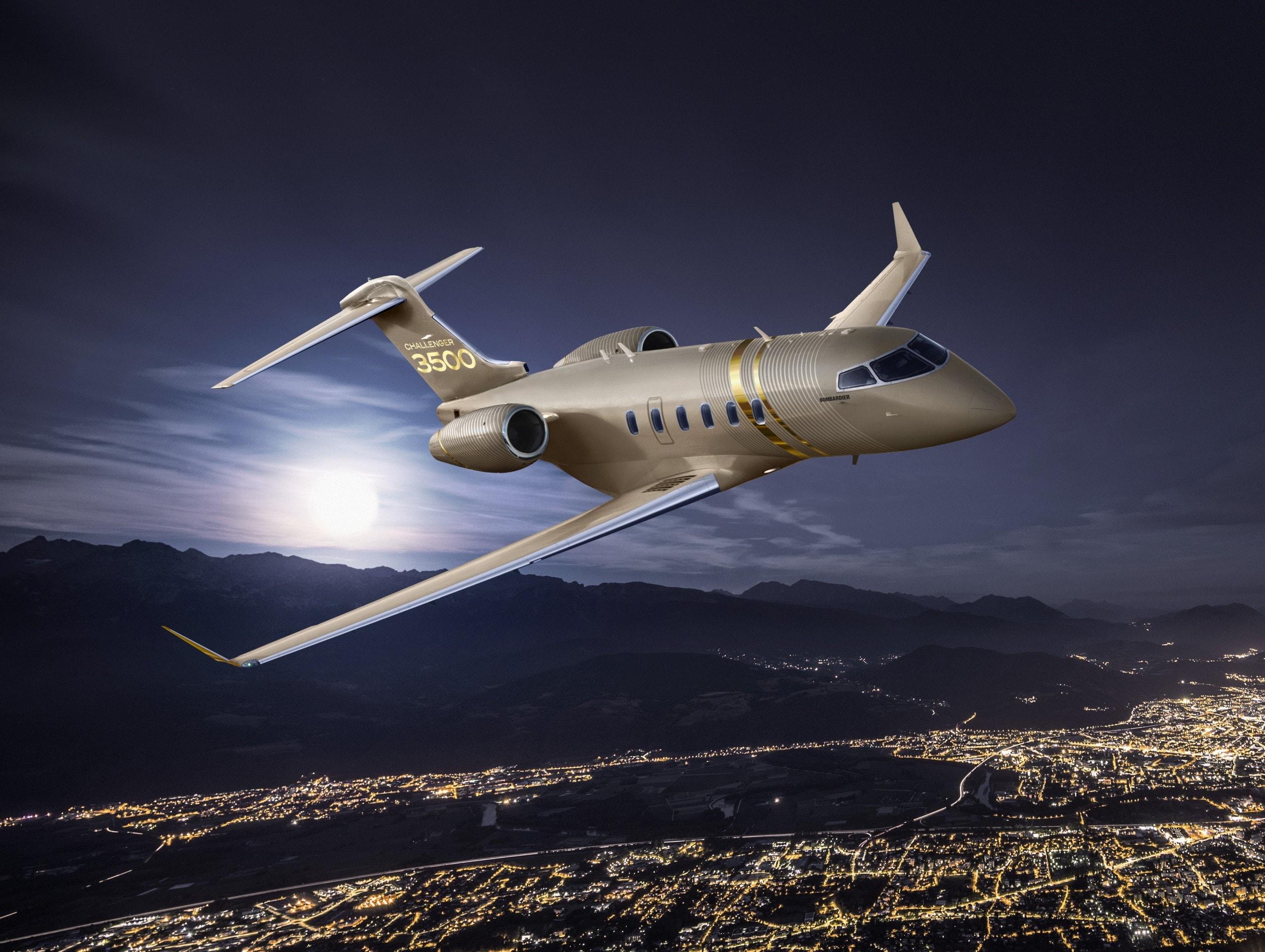
As global concerns about climate change and environmental sustainability continue to intensify, the aviation industry is under increasing pressure to reduce its carbon footprint. Private aviation, in particular, has long been associated with luxury and convenience, but also with significant environmental impact. However, the future of private jets and green aviation is looking increasingly promising. With advancements in technology, sustainable practices, and innovative solutions, the private jet industry is gradually shifting towards more eco-friendly alternatives. In this article, we will explore the future of eco-friendly private jets, the role of green aviation, and the steps being taken to make air travel more sustainable.
Understanding the Environmental Impact of Private Jets
Before diving into the future of green aviation, it’s essential to understand the environmental challenges associated with private jet travel. Private jets, while offering a very uniqueed luxury, flexibility, and convenience, are also among the most carbon-intensive forms of transportation. A single private jet flight can emit more carbon than an average person produces in an entire year. In fact, a round-trip flight from New York to Los Angeles in a private jet can emit more than 20 tons of CO2, while the same flight on a commercial airliner would emit only about one ton per passenger.
The primary reason private jets have a higher carbon footprint than commercial aircraft is their smaller passenger capacity. Private jets typically carry between four and 16 passengers, meaning the fuel consumption is distributed among fewer people. In comparison, commercial airliners can carry hundreds of passengers, making the per-passenger emissions much lower. Additionally, private jets often fly shorter distances, where more fuel is consumed during takeoff and landing than during cruising. These factors, combined with less efficient engines and fewer advanced technologies, make private aviation significantly more environmentally taxing than commercial aviation.
However, despite these challenges, the aviation industry is working hard to address these issues and reduce the environmental impact of private jet travel. Several key innovations and strategies are emerging as part of the future of eco-friendly private jets and green aviation.
The Role of Sustainable Aviation Fuel (SAF)
One of the most promising developments in reducing the carbon footprint of private jet travel is the adoption of Sustainable Aviation Fuel (SAF). SAF is a renewable alternative to traditional jet fuel that is derived from sustainable sources, such as algae, agricultural waste, or even municipal waste. SAF can reduce carbon emissions by up to 80% over its lifecycle compared to conventional jet fuel, making it one of the most effective tools in the transition to greener aviation.
Several private jet companies are already incorporating SAF into their fleets. For example, NetJets, one of the largest private jet operators, has committed to increasing its use of SAF as part of its sustainability efforts. Although SAF is still more expensive than traditional jet fuel, its availability is growing, and it is expected that the price will decrease as production scales up. In the future, SAF could become the standard fuel for private jets, significantly reducing the sector’s overall carbon footprint.
Electric and Hybrid Aircraft: The Future of Private Aviation
Another exciting development in the future of private jets is the emergence of electric and hybrid aircraft. Electric aircraft, which use batteries instead of traditional jet fuel, have the potential to eliminate carbon emissions altogether. These aircraft are still in the early stages of development, but several companies are making significant strides in creating electric planes that are small, efficient, and capable of short-distance flights.
One of the most well-known projects in this area is the Alice electric aircraft, developed by the Israeli company Aviation. Alice is designed to carry up to nine passengers and is expected to be capable of flying short distances, such as between cities within the same region. The aircraft is powered by electric motors and uses lithium-ion batteries to store energy. Although electric planes are currently limited in range and capacity, they hold great promise for the future of private aviation, particularly for short-haul flights.
Hybrid aircraft, which combine electric propulsion with traditional jet fuel engines, are also being developed as a more practical solution for long-distance travel. Hybrid planes would be able to use electric power for takeoff and landing, reducing emissions during these fuel-intensive phases of flight, while relying on jet fuel for longer flights. This combination of technologies offers a promising pathway to reducing emissions without sacrificing the range and performance of private jets.
Several companies, including Boeing and Airbus, are investing heavily in electric and hybrid aircraft technology. In the coming years, these innovations could revolutionize private aviation, making it more eco-friendly and sustainable.
Carbon Offsetting and Green Certifications
While the development of sustainable aviation fuel and electric aircraft is crucial, carbon offsetting remains an essential strategy for mitigating the environmental impact of private jet travel. Carbon offsetting involves investing in projects that reduce or capture carbon emissions, such as reforestation, renewable energy, and methane capture initiatives. By purchasing carbon credits, private jet passengers can offset the emissions generated by their flights and help fund projects that work to reduce global carbon emissions.
Many private jet companies now offer carbon offset programs as part of their services. For example, companies like Jet Aviation and VistaJet allow passengers to calculate the carbon emissions of their flights and purchase offset credits to neutralize those emissions. While carbon offsetting is not a perfect solution, it provides an immediate and accessible way to mitigate the environmental impact of private aviation.
Additionally, green certifications for private jets are becoming more common. These certifications are awarded to aircraft operators that meet specific environmental standards, such as reducing fuel consumption, minimizing emissions, and using sustainable practices. By choosing to fly with certified green operators, private jet passengers can ensure that their travel is as environmentally responsible as possible.
The Role of Air Traffic Management and Route Optimization
Improving air traffic management and optimizing flight routes are also important components of reducing the environmental impact of private jet travel. Air traffic management systems, which control the flow of aircraft through controlled airspace, play a crucial role in minimizing delays, improving efficiency, and reducing fuel consumption.
Advanced software and satellite technology are helping private jet operators optimize flight paths, ensuring that aircraft take the most fuel-efficient routes possible. By minimizing unnecessary detours and avoiding congested airspace, private jets can reduce their fuel consumption and carbon emissions. Additionally, new air traffic management systems are being developed to reduce the time spent on the tarmac, further improving efficiency.
Airports are also investing in sustainable infrastructure. For instance, many airports are adopting electric ground support equipment, such as electric tugs and baggage carts, to reduce emissions during the ground phase of flight. Additionally, airports are increasingly integrating renewable energy sources, such as solar and wind power, to reduce their overall environmental impact.
Advancements in Aircraft Design for Sustainability
The future of eco-friendly private jets is not only about alternative fuels and propulsion systems but also about designing aircraft that are more efficient and sustainable from the ground up. Aircraft manufacturers are exploring new materials, such as lightweight composites and advanced alloys, to reduce the overall weight of private jets. Lighter aircraft require less fuel to operate, resulting in lower emissions.
Aerodynamic improvements are also being explored to make aircraft more fuel-efficient. By optimizing the shape of aircraft wings, fuselages, and engines, manufacturers can reduce drag and improve fuel efficiency. In particular, innovations in wing design, such as winglets and advanced laminar flow control, are helping to reduce the drag experienced by aircraft during flight, leading to significant fuel savings.
In addition to improved aerodynamics and materials, manufacturers are developing more efficient engines that produce fewer emissions. Modern jet engines are already much more fuel-efficient than their predecessors, and advancements in engine technology will continue to improve the environmental performance of private jets.
The Future of Green Aviation: A Collaborative Effort
The transition to greener private jets and more sustainable aviation practices will require a collaborative effort from governments, private jet operators, manufacturers, and passengers. Governments can play a key role by offering incentives for the development and adoption of sustainable aviation technologies, such as tax credits for SAF and electric aircraft. International organizations, such as the International Civil Aviation Organization (ICAO), are also setting emissions reduction targets and encouraging the aviation sector to adopt more sustainable practices.
Private jet operators and manufacturers must continue to invest in research and development to bring more sustainable technologies to market. They will also need to work closely with airports, air traffic control, and other stakeholders to optimize flight operations and improve sustainability across the entire aviation ecosystem.
Passengers also have a vital role to play. By choosing to fly with operators that use SAF, offset their emissions, and prioritize sustainability, private jet passengers can help drive demand for eco-friendly aviation practices. Additionally, passengers can choose to fly less frequently or use commercial flights for shorter trips, further reducing their overall carbon footprint.
Conclusion
The future of eco-friendly private jets and green aviation is full of promise. With the development of sustainable aviation fuel, electric and hybrid aircraft, and more efficient flight operations, the private jet industry is moving toward a more sustainable future. While challenges remain, such as the high cost of sustainable fuel and the limited range of electric aircraft, the advancements being made today lay the foundation for a greener, more eco-friendly private aviation industry. By adopting these new technologies, optimizing flight operations, and embracing sustainability, the private jet industry can reduce its environmental impact and lead the way in the transition to greener aviation.