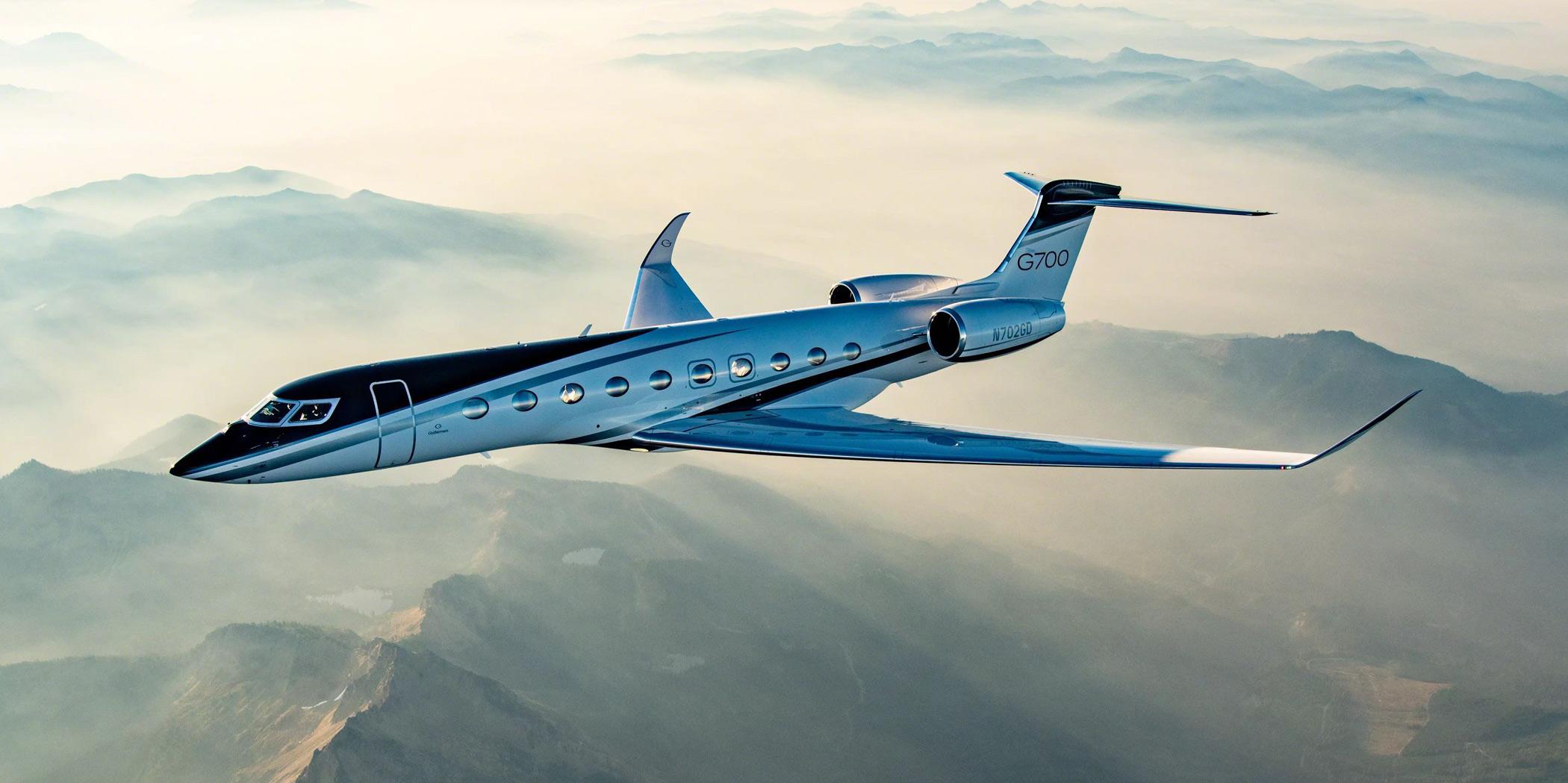
Private Jet PrivateJetia 047
As the global focus on environmental sustainability intensifies, industries across the world are adapting to new expectations, and aviation is no exception. Historically, aviation has been one of the most carbon-intensive sectors, with private jet travel in particular facing criticism for its high emissions. However, the tide is beginning to turn, as innovative technologies, sustainable practices, and a growing demand for eco-conscious travel are driving the evolution of green private jets and eco-friendly aviation. In this article, we will explore the future of green private jets, the sustainable technologies shaping this transformation, and how eco-friendly aviation is set to redefine the way we travel in the skies.
The Rise of Green Aviation: A Growing Necessity
Sustainability has become a key focus for industries worldwide, and aviation is no different. The aviation industry is responsible for a significant portion of global greenhouse gas emissions, and private jet travel, due to its smaller passenger capacity and high fuel consumption, has been particularly scrutinized. Despite this, the demand for private aviation remains strong, driven by its convenience, luxury, and flexibility. The challenge, then, is to meet this demand while minimizing the environmental impact of private jet travel.
The future of green private jets is rooted in innovation, sustainability, and a commitment to reducing carbon emissions. As the demand for eco-friendly alternatives grows, private jet companies, aircraft manufacturers, and policymakers are collaborating to create a more sustainable future for aviation. The goal is to reduce the carbon footprint of private jet travel while maintaining the high standards of comfort and luxury that travelers expect.
Sustainable Aviation Fuel (SAF): The Key to Greener Flights
One of the most promising developments in green private jet travel is the rise of sustainable aviation fuel (SAF). SAF is a biofuel derived from renewable resources such as plant-based oils, agricultural waste, and even algae. Unlike traditional jet fuel, SAF has a significantly lower carbon footprint and can reduce carbon emissions by up to 80% compared to conventional jet fuel.
The aviation industry has increasingly turned to SAF as a solution to reduce its environmental impact. Many private jet companies are already incorporating SAF into their fleets, and some have committed to using 100% SAF in the near future. SAF is compatible with existing aircraft engines, making it an immediate solution for reducing emissions without requiring significant changes to existing infrastructure.
For eco-conscious travelers, choosing private jet operators that use SAF is an important step toward reducing the carbon footprint of their travel. The widespread adoption of SAF in private aviation is expected to play a central role in the transition to greener skies.
Electric and Hybrid Aircraft: The Future of Green Private Jets
Another exciting development in the world of green aviation is the rise of electric and hybrid aircraft. Electric planes, powered by batteries rather than traditional jet fuel, are an emerging technology that holds the potential to revolutionize private jet travel. While fully electric private jets are still in the early stages of development, several companies are already working on prototypes for short-haul flights.
Hybrid aircraft, which combine traditional jet fuel with electric power, offer a more immediate solution. These planes use electricity for takeoff and cruising at lower altitudes, while relying on conventional fuel for higher altitudes and longer distances. Hybrid aircraft reduce fuel consumption and emissions, offering a more sustainable alternative to traditional private jets.
The development of electric and hybrid aircraft is expected to grow rapidly in the coming years, with several companies already conducting test flights and working to bring these technologies to market. While electric private jets may initially be limited to shorter distances, the future of aviation could see long-haul electric and hybrid planes that offer a much lower environmental impact than traditional aircraft.
Lightweight Materials and Innovative Aircraft Design
Sustainability in private jet travel is not only about the fuel that powers the plane but also about the materials and design of the aircraft itself. Advances in aircraft construction, particularly the use of lightweight materials, are contributing to greener private jets. Traditional private jets are made from heavy materials like aluminum, which increases fuel consumption. However, the use of advanced composites, such as carbon fiber, has made aircraft significantly lighter without compromising safety or structural integrity.
These lightweight materials reduce the amount of fuel required for flight, resulting in lower emissions and improved fuel efficiency. Aircraft manufacturers are also using innovative designs to reduce drag and improve aerodynamics, further enhancing the sustainability of private jet travel. These advancements allow private jets to be more fuel-efficient and environmentally friendly, aligning with the growing demand for sustainable travel options.
Optimized Flight Routes and Efficient Operations
Another aspect of eco-friendly aviation is the optimization of flight routes and operational efficiency. Private jets have the advantage of flexible schedules and direct flights, but this can sometimes lead to inefficient flight paths that waste fuel. By using advanced flight planning software and satellite technology, private jet companies can optimize flight routes to reduce fuel consumption and minimize emissions.
Flight planning software takes into account factors such as weather conditions, air traffic, and the most fuel-efficient routes, ensuring that private jets travel the shortest and most efficient paths possible. This not only reduces fuel consumption but also decreases travel time, allowing travelers to reach their destinations more quickly. For eco-conscious travelers, choosing private jet operators that prioritize route optimization is an easy way to contribute to greener travel.
Carbon Offsetting Programs and Environmental Initiatives
While reducing emissions through technology and fuel alternatives is crucial, carbon offsetting programs also play an important role in achieving a more sustainable aviation industry. Many private jet companies offer carbon offsetting programs, allowing travelers to purchase credits that fund renewable energy projects, reforestation efforts, and other environmental initiatives.
Carbon offsetting allows travelers to neutralize the emissions generated by their flights by supporting projects that help reduce global carbon emissions. For eco-conscious travelers, this is a simple and effective way to mitigate the environmental impact of their private jet travel. Some companies also offer bespoke offsetting options, enabling travelers to choose the types of projects they wish to support.
The Role of Eco-Conscious Travelers in Shaping the Future of Aviation
Eco-conscious travelers play a key role in driving the shift toward sustainable private jet travel. As demand for green aviation options grows, private jet companies are investing in sustainable technologies, greener aircraft, and more efficient operations. By supporting companies that prioritize sustainability, eco-conscious travelers can influence the direction of the industry and encourage further innovation in green aviation.
For travelers looking to reduce their environmental impact, choosing private jet operators that use sustainable aviation fuel, electric or hybrid aircraft, and advanced technologies is an important step. Supporting carbon offset programs and promoting the use of environmentally friendly practices in aviation also contributes to a greener future for private jet travel.
The Road Ahead: A Greener, More Sustainable Future for Private Jet Travel
The future of green private jets and eco-friendly aviation is bright, with numerous technological advancements on the horizon. From sustainable aviation fuel to electric and hybrid aircraft, the private jet industry is evolving to meet the demands of eco-conscious travelers. As these technologies continue to develop, the environmental impact of private jet travel will continue to decrease, making private aviation a more sustainable option for luxury travelers.
In the years to come, we can expect to see an increasing number of private jet companies adopting sustainable practices and offering greener alternatives for their clients. The future of aviation is one where luxury and sustainability go hand in hand, allowing travelers to experience the freedom and convenience of private jets while minimizing their environmental impact. As technology advances and demand for eco-friendly travel grows, the private jet industry will continue to lead the way toward a greener, more sustainable future.


