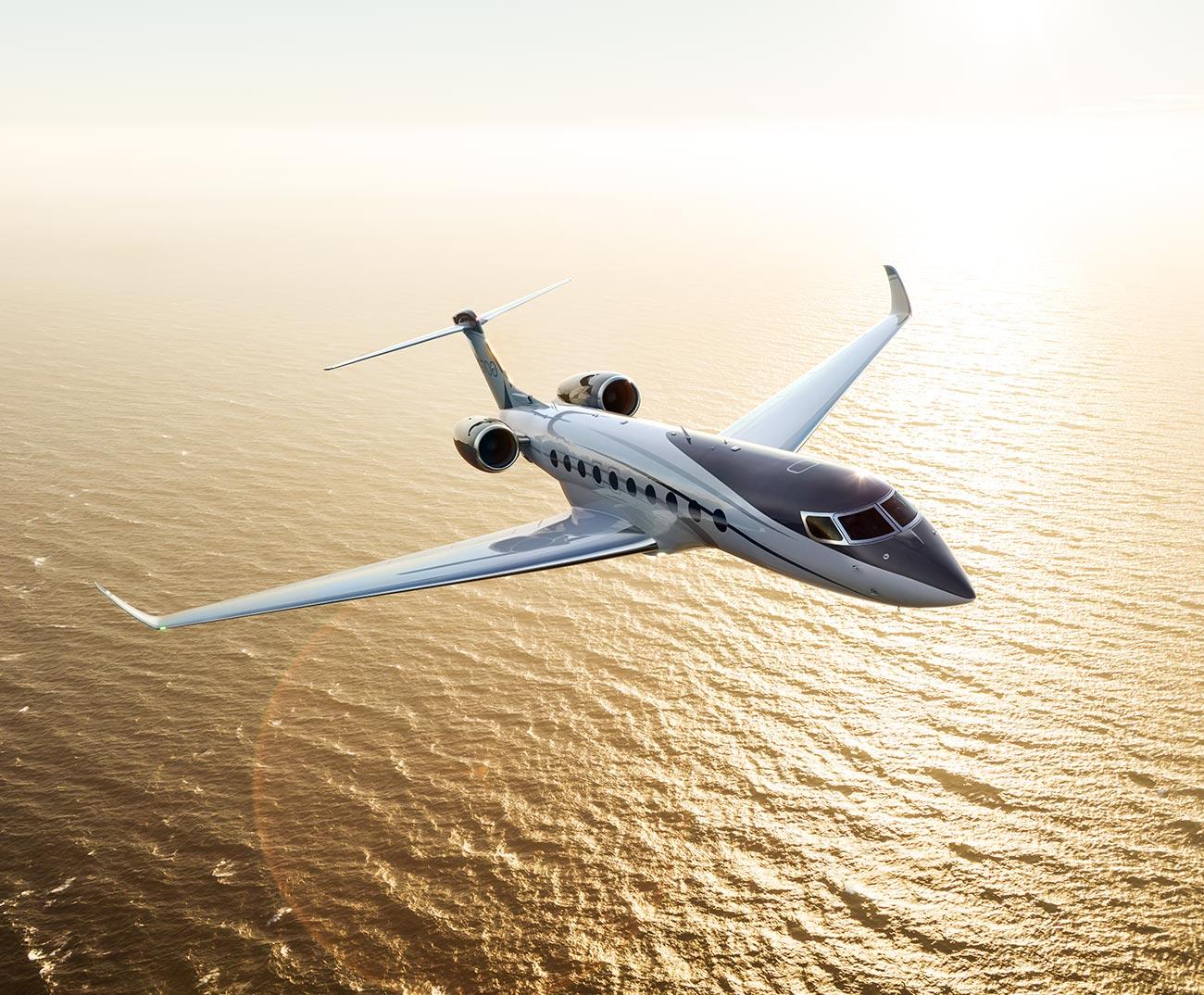
The world of private aviation has long been synonymous with luxury, exclusivity, and seamless travel experiences. But the landscape of private jet flying is rapidly evolving, with new technologies, changing passenger expectations, and expanding global networks driving innovation. At the heart of this transformation are the pilots who make it all possible. Private jet pilots have always been highly skilled professionals, but as the aviation industry progresses, so too must the skills and capabilities of those who fly these sophisticated machines. The future of private jet pilots is intertwined with emerging technologies, evolving regulations, and an increased emphasis on safety, efficiency, and customer service. In this article, we explore how the future of private jet pilots is shaping up, the emerging skills they will need, and the technologies that will define their roles in the years to come.
The Changing Landscape of Private Jet Aviation
Private aviation is no longer just a luxury reserved for the ultra-wealthy; it has become more accessible to a growing number of business leaders, celebrities, and entrepreneurs. This shift is not only impacting the demand for private jet services but also how the industry operates. The private aviation sector is undergoing significant transformation, influenced by advancements in technology, changing customer expectations, and a greater focus on sustainability.
For pilots, this means adapting to new aircraft technologies, understanding new regulations, and honing soft skills to meet the expectations of high-net-worth individuals (HNWIs) and corporate executives. As the aviation landscape continues to evolve, private jet pilots must prepare to meet new challenges and seize emerging opportunities.
The Role of Emerging Technologies in Private Jet Aviation
The future of private jet aviation is deeply tied to technological advancements that promise to enhance flight operations and the passenger experience. From automation and artificial intelligence (AI) to sustainable fuel and autonomous flight, these innovations will revolutionize how private jet pilots operate and interact with aircraft.
1. Autonomous Flight: The Age of Self-Flying Aircraft
One of the most exciting developments in aviation is the advent of autonomous flight technology. Although we are still years away from seeing fully autonomous private jets, there are significant strides being made in self-flying aircraft. Companies like Airbus, Boeing, and various startups are working on aircraft that can fly without direct human intervention.
For private jet pilots, this raises the question of how their roles will evolve. While it’s unlikely that pilots will be entirely replaced in the near future, the integration of autonomous systems will require pilots to shift their focus from manual flight control to overseeing the aircraft’s systems and ensuring that everything is operating smoothly. Pilots will need to be highly proficient in monitoring advanced autopilot systems, diagnosing potential issues in real-time, and stepping in to take manual control if necessary.
Autonomous flight will also drive the need for new skill sets. Pilots may need to become experts in AI and machine learning, understanding how these systems work and how to troubleshoot any malfunctions. Additionally, pilots will need to be trained to handle emergency scenarios where the autonomous systems fail, ensuring that they can take over quickly and safely.
2. Electric and Hybrid Aircraft: Sustainable Aviation Takes Flight
Sustainability is becoming a top priority in the aviation industry, and private aviation is no exception. The future of private jet aviation will likely see the rise of electric and hybrid-electric aircraft that offer a cleaner, greener alternative to traditional jet engines. These aircraft promise to reduce carbon emissions, lower operating costs, and provide a more eco-friendly flight experience.
As electric and hybrid aircraft become more common, private jet pilots will need to be trained in the unique operating characteristics of these aircraft. Electric engines, while quieter and more efficient, have different performance metrics compared to traditional jet engines. Pilots will need to understand how to manage battery life, optimize energy use, and handle any technical issues that might arise with electric propulsion systems.
Moreover, with the rise of sustainable aviation, pilots will likely need to be familiar with the new regulatory and environmental standards that govern these aircraft. They will also need to be part of the larger conversation on how to integrate sustainable aviation practices into flight operations, ensuring that their aircraft contribute to the reduction of the aviation industry’s carbon footprint.
3. Advanced Cockpit Technology: Revolutionizing the Flight Deck
The cockpit of private jets has always been equipped with sophisticated avionics, but the future promises even more advanced systems. With the advent of Artificial Intelligence (AI), Big Data, and predictive analytics, pilots will soon have access to real-time insights that will enhance decision-making and flight safety. These technologies will allow pilots to anticipate potential risks and adjust flight paths or strategies before problems arise, all while improving fuel efficiency and reducing operating costs.
A key area where these technologies will have the most impact is in predictive maintenance. Sensors embedded in private jets will collect data on the aircraft’s performance, flagging potential issues before they become critical. Pilots will need to be proficient in interpreting this data and working with technicians to address any mechanical issues before they cause delays or safety concerns.
Additionally, AI-driven navigation systems will help pilots optimize flight routes, taking into account not only weather conditions but also air traffic, geopolitical factors, and other variables that might influence the flight. This will improve both the speed and safety of flights and allow pilots to focus more on the passenger experience, which is a key part of luxury aviation.
4. Enhanced Passenger Experience with Technology
As technology continues to reshape the aviation industry, private jet passengers will benefit from increasingly personalized experiences. Emerging technologies like in-flight Wi-Fi, virtual reality (VR) entertainment, and even biometric security will allow passengers to enjoy a seamless, luxurious journey.
Pilots will need to understand how these technologies work in conjunction with flight operations. For example, they may need to oversee the integration of advanced Wi-Fi systems that ensure connectivity throughout the flight or coordinate with ground services to ensure that any specific passenger requests (such as in-flight entertainment or personalized catering) are fulfilled.
Additionally, the introduction of biometric security systems could streamline the boarding process, ensuring that passengers are processed quickly and efficiently. Pilots will need to work in coordination with other crew members and security personnel to ensure that this process is secure and smooth for the passengers.
The Changing Skill Set of Private Jet Pilots
The future of private jet pilots will require a broad range of new skills, not only related to technology and flight operations but also in customer service, safety, and emergency preparedness.
1. Technical Proficiency in Advanced Systems
As discussed, emerging technologies will revolutionize the way private jets are flown. Pilots will need to stay ahead of the curve by constantly updating their knowledge of new aircraft systems, from autonomous flight programs to AI-powered navigation tools. This will require ongoing education and training throughout a pilot’s career to ensure they are always at the top of their game.
2. Enhanced Crisis Management and Safety Protocols
While autonomous systems and advanced AI will improve the overall safety of private jet operations, pilots will still need to be prepared to handle emergencies. As aircraft become more sophisticated, the potential for technical malfunctions or unforeseen challenges increases. Pilots will need to be adept at managing complex emergency scenarios, including rapid decision-making and effective communication with ground control and other emergency services.
Training will evolve to include more simulations of high-risk situations, such as mid-flight system failures, extreme weather events, and medical emergencies. Pilots will need to be trained not just in technical procedures but also in remaining calm under pressure, ensuring that passengers are safe and comfortable at all times.
3. Customer Service and Soft Skills
In luxury aviation, the customer experience is paramount. Pilots must be able to communicate effectively with passengers, anticipating their needs and providing a personalized service that aligns with their expectations. As private jet travel becomes more competitive, the ability to offer impeccable service will be a key differentiator for pilots and operators alike.
Pilots will need to develop strong interpersonal skills, including emotional intelligence, conflict resolution, and situational awareness. They will also need to work collaboratively with other crew members, including flight attendants, maintenance staff, and ground personnel, to ensure that the entire travel experience is flawless.
4. Global Awareness and Cultural Sensitivity
As private jet travel becomes more global, pilots will need to be aware of the cultural sensitivities and preferences of passengers from different regions. Understanding the nuances of international travel, including geopolitical considerations, customs regulations, and cultural expectations, will be essential for pilots who want to excel in the future of luxury aviation.
Conclusion: A Bright Future Ahead for Private Jet Pilots
The future of private jet pilots is one of dynamic change, fueled by technological advancements, evolving customer expectations, and new environmental challenges. The role of pilots will continue to be critical in ensuring the safety, efficiency, and luxury of private jet operations.
As aircraft become more autonomous and technologically advanced, pilots will adapt by learning new skills, mastering cutting-edge systems, and embracing a customer-first mentality. The future of private jet aviation promises a new era of sophistication, efficiency, and innovation, and the pilots who take to the skies will be at the forefront of this exciting transformation.
Private jet pilots will continue to be highly skilled professionals, combining technical expertise with a commitment to excellence in service. Their ability to adapt to changing technologies and maintain the highest standards of safety will ensure that the luxury aviation industry remains a cornerstone of global business and leisure travel for years to come.