Private Jet PrivateJetia 073
Private jets have long been associated with luxury, convenience, and exclusivity. They offer an a very uniqueed level of comfort and flexibility for those who can afford it. As technology continues to advance and the aviation industry evolves, private jets are undergoing a transformation that promises to change the way we think about air travel. From innovative designs to sustainable aviation practices, the future of private jets is both exciting and full of potential.
The next generation of private jets will be marked by advancements in various aspects of aviation, from aircraft design to enhanced in-flight experiences and environmental responsibility. As we look toward the future, it is clear that private jets will continue to be a symbol of status and luxury, but they will also evolve to meet the demands of a changing world.
The Rise of Sustainable Aviation
As the world becomes increasingly conscious of environmental issues, the aviation industry has come under pressure to reduce its carbon footprint. Private jet travel, which has historically been a significant contributor to carbon emissions, is no exception. In response to growing concerns about climate change, private jet manufacturers and operators are making strides toward more sustainable practices.
The future of private jets will see a significant push toward sustainability. New technologies, such as electric and hybrid-electric aircraft, are already being tested and could become a viable option for private jet travel in the near future. These aircraft are designed to reduce emissions and make air travel more environmentally friendly. While fully electric private jets are still in the development phase, the potential for green aviation is enormous.
Additionally, the industry is focusing on alternative fuels that are less harmful to the environment. Sustainable aviation fuels (SAFs) are one of the most promising alternatives to traditional jet fuel. SAFs are made from renewable resources, such as algae, waste oils, and plant-based materials. These fuels can reduce greenhouse gas emissions by up to 80% compared to conventional jet fuels. As SAF production increases, private jets will be able to operate more sustainably, reducing their impact on the planet.
Another significant development in sustainable aviation is the use of carbon offset programs. Many private jet operators are now offering clients the opportunity to offset the carbon emissions from their flights by investing in environmental initiatives, such as reforestation projects and renewable energy programs. These programs allow travelers to mitigate the environmental impact of their flights, contributing to a more sustainable aviation industry.
Advancements in Aircraft Technology
The future of private jets will also be shaped by advancements in aircraft technology. Aircraft manufacturers are constantly pushing the boundaries of what is possible, creating jets that are faster, more efficient, and more comfortable than ever before.
One of the most exciting developments in private jet technology is the potential for supersonic flight. Supersonic jets, which can travel faster than the speed of sound, are making a comeback. These jets could dramatically reduce flight times, making it possible to travel between distant cities in a fraction of the time it currently takes. For example, a flight from New York to London could be completed in just three hours, compared to the current seven-hour flight time. Supersonic jets will not only save time but also provide an exhilarating and futuristic travel experience.
Several companies are already working on supersonic jets for the private aviation market, and it is expected that we will see these high-speed aircraft take to the skies within the next decade. However, there are still significant challenges to overcome, including noise regulations and the development of engines that can operate at supersonic speeds without producing excessive noise pollution. Once these challenges are addressed, supersonic private jets will revolutionize the way we think about air travel.
In addition to supersonic flight, advancements in materials and aerodynamics are also improving the efficiency and performance of private jets. Lightweight composite materials, such as carbon fiber, are being used to reduce the weight of aircraft, making them more fuel-efficient and capable of longer ranges. The development of quieter and more efficient engines is another key area of focus, as private jet manufacturers strive to make their aircraft faster, more powerful, and less intrusive to the environment.
Another key trend in aircraft technology is the increasing use of digital and autonomous systems. Future private jets are likely to be equipped with advanced autopilot systems that allow for greater precision and automation during flight. These systems can enhance safety, reduce pilot workload, and improve overall flight performance. In the future, we may even see fully autonomous private jets that require little to no human intervention, although this remains a long-term goal for the aviation industry.
The Future of In-Flight Experience
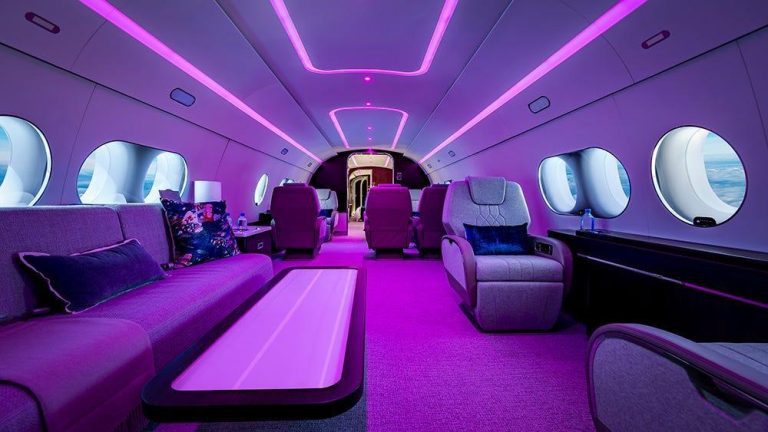
While the primary function of a private jet is transportation, the in-flight experience is an essential part of the appeal. As private jet travel becomes more competitive, operators are focusing on enhancing the comfort and luxury of the journey. The future of private jet cabins will offer an even greater level of sophistication and personalization.
The next generation of private jets will feature fully customizable interiors, where passengers can design their cabins to suit their individual tastes and preferences. Whether it’s luxurious seating, high-end finishes, or cutting-edge technology, private jet interiors will offer a bespoke experience customized to each traveler. Passengers will be able to choose from a wide range of materials, colors, and layouts, ensuring that every flight feels like a unique experience.
One of the most exciting trends in private jet interiors is the use of advanced technologies to improve the overall comfort and convenience of the cabin. For example, in-flight entertainment systems are becoming more immersive and sophisticated, with high-definition screens, virtual reality experiences, and state-of-the-art audio systems. Some private jets may even feature augmented reality (AR) systems that allow passengers to interact with their surroundings in new and innovative ways.
Additionally, future private jets will be equipped with the latest in connectivity technology, allowing passengers to stay connected to the world while in the air. High-speed internet, video conferencing facilities, and seamless communication tools will make it possible for travelers to work, relax, or stay in touch with family and friends throughout their journey. These advancements will make private jets an even more attractive option for business travelers and those who need to stay connected while on the move.
The Role of Artificial Intelligence and Data Analytics
As private jet travel becomes more advanced, artificial intelligence (AI) and data analytics will play an increasingly important role in enhancing the passenger experience. AI can be used to optimize flight routes, predict maintenance needs, and personalize the in-flight experience based on a traveler’s preferences.
For example, AI-powered systems can analyze flight data in real-time to suggest the most efficient routes, saving time and reducing fuel consumption. By leveraging big data, private jet operators can better understand their passengers’ preferences and create more personalized experiences. This could include everything from tailoring in-flight entertainment to adjusting cabin temperature based on individual preferences.
Data analytics will also be used to improve operational efficiency. By analyzing data on flight patterns, weather conditions, and aircraft performance, private jet operators can identify opportunities to reduce costs, improve safety, and enhance customer satisfaction. For example, predictive maintenance systems can detect potential issues before they become problems, ensuring that aircraft are always in optimal condition.
The Future of Private Jet Ownership
While private jet ownership remains a symbol of luxury and status, the future of private aviation may see a shift in how people access private jets. Fractional ownership and private jet charter services are expected to become increasingly popular as more people look for flexible and cost-effective ways to enjoy the benefits of private air travel without the burden of full ownership.
Fractional ownership allows individuals to purchase a share in a private jet, which entitles them to a certain number of hours of flight time per year. This option offers the benefits of private jet travel without the full financial commitment and operational responsibilities that come with owning an aircraft outright. As the demand for private jet travel continues to grow, fractional ownership will become an attractive option for those who want to enjoy the luxury of flying privately without the hefty price tag.
Private jet charter services are also expected to expand, providing travelers with the ability to book a private jet for a single trip. Charter services offer flexibility and convenience, allowing travelers to select the aircraft that best suits their needs, whether it’s a small, intimate jet for a weekend getaway or a larger aircraft for a corporate event. The future of private jet charter services will likely involve more seamless booking platforms, making it easier for passengers to find and book the perfect flight for their needs.
Conclusion
The future of private jets is filled with exciting possibilities, driven by advancements in technology, sustainability, and customer experience. From electric and hybrid-electric aircraft to supersonic flight, the next generation of private jets promises to revolutionize air travel. At the same time, the in-flight experience will become more luxurious and personalized, offering travelers an a very uniqueed level of comfort and convenience.
As the private aviation industry continues to evolve, the role of artificial intelligence, data analytics, and sustainable practices will become increasingly important. Whether through fractional ownership or charter services, private jet travel will become more accessible to those who desire it, allowing more people to experience the luxury of flying privately.
For those who have already embraced the luxury lifestyle that private jets offer, the future looks even more promising. As technology continues to advance, private jets will become more efficient, more environmentally friendly, and more luxurious than ever before, further cementing their place as the summery of high-end travel. The future of private jets is bright, and it’s only just beginning to take flight.